
Level 1 sweep and inspection to the NFPA 211 annual standard - flue, crown, cap, and flashing checked and photographed
Chimney sweep logs do not sweep chimneys. They loosen some creosote - which then falls where a brush and vacuum still have to collect it.
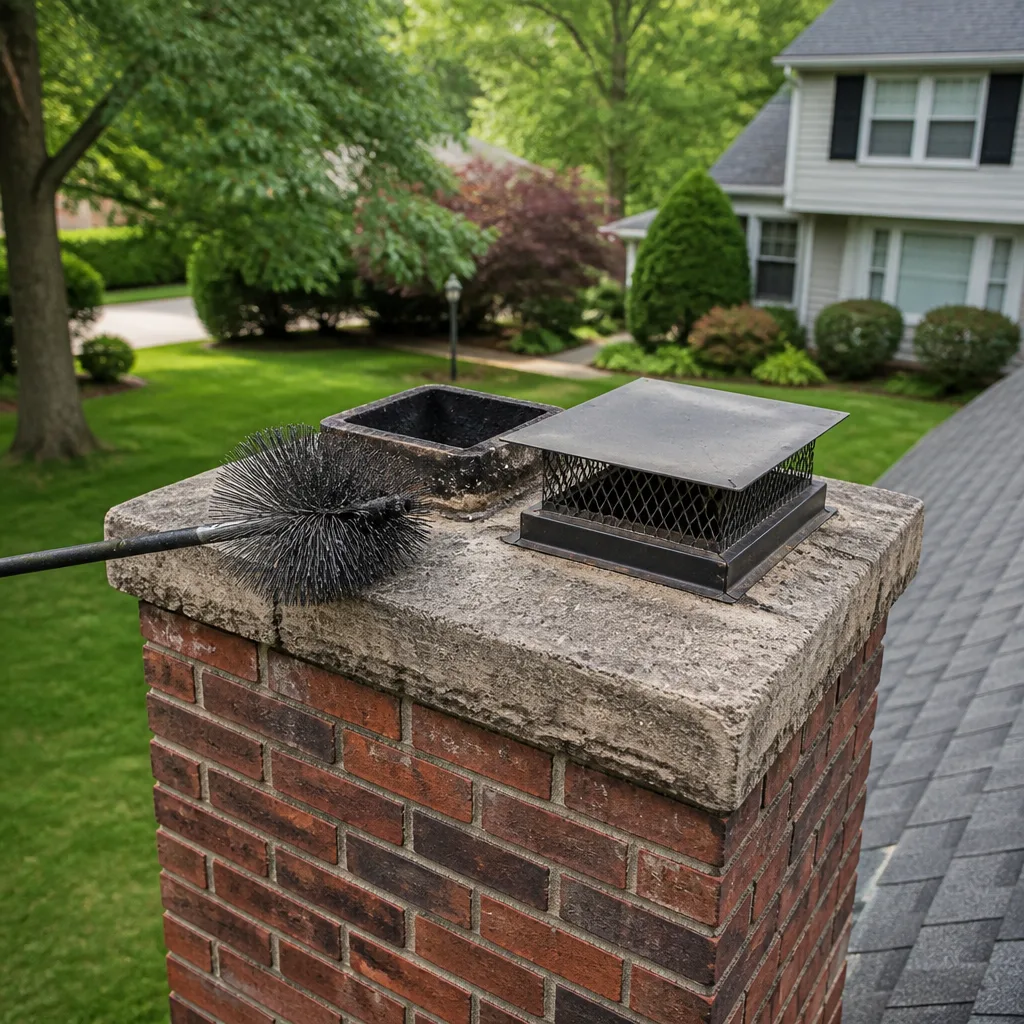
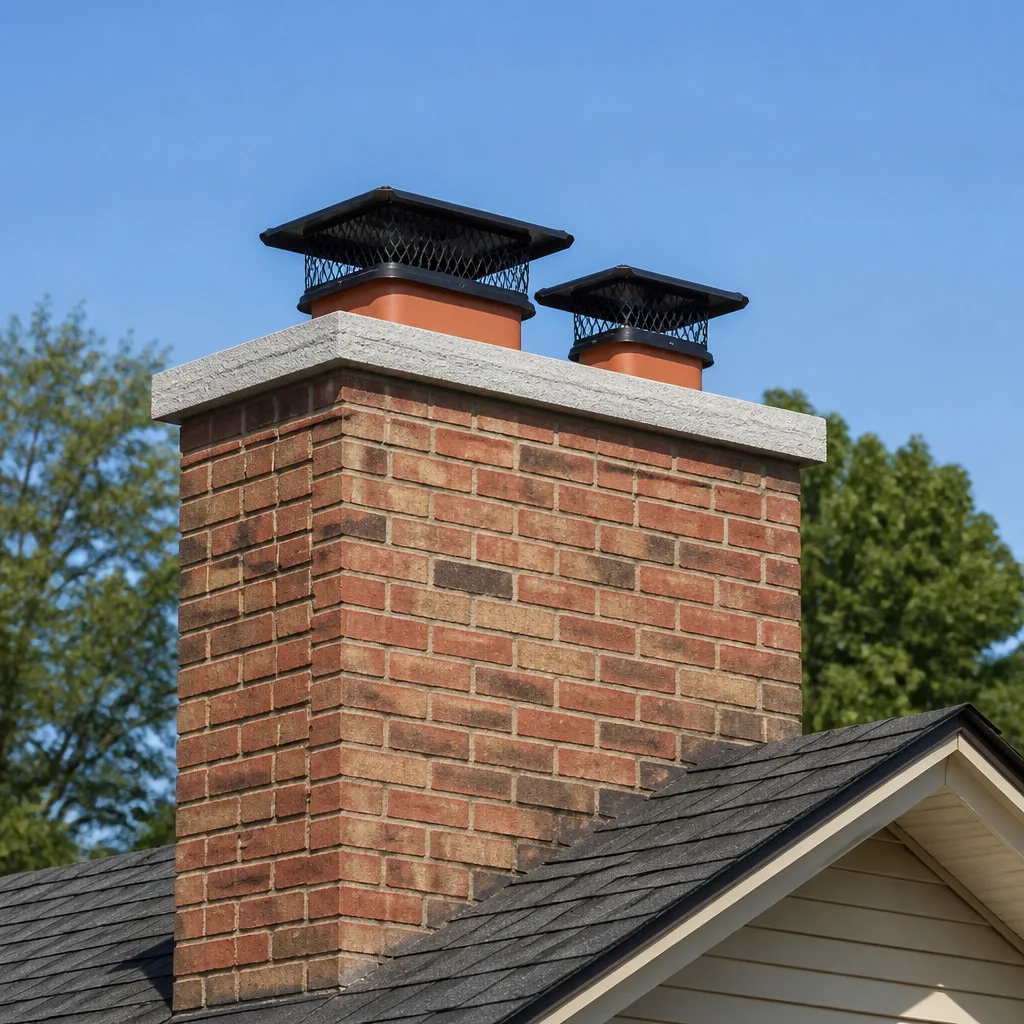
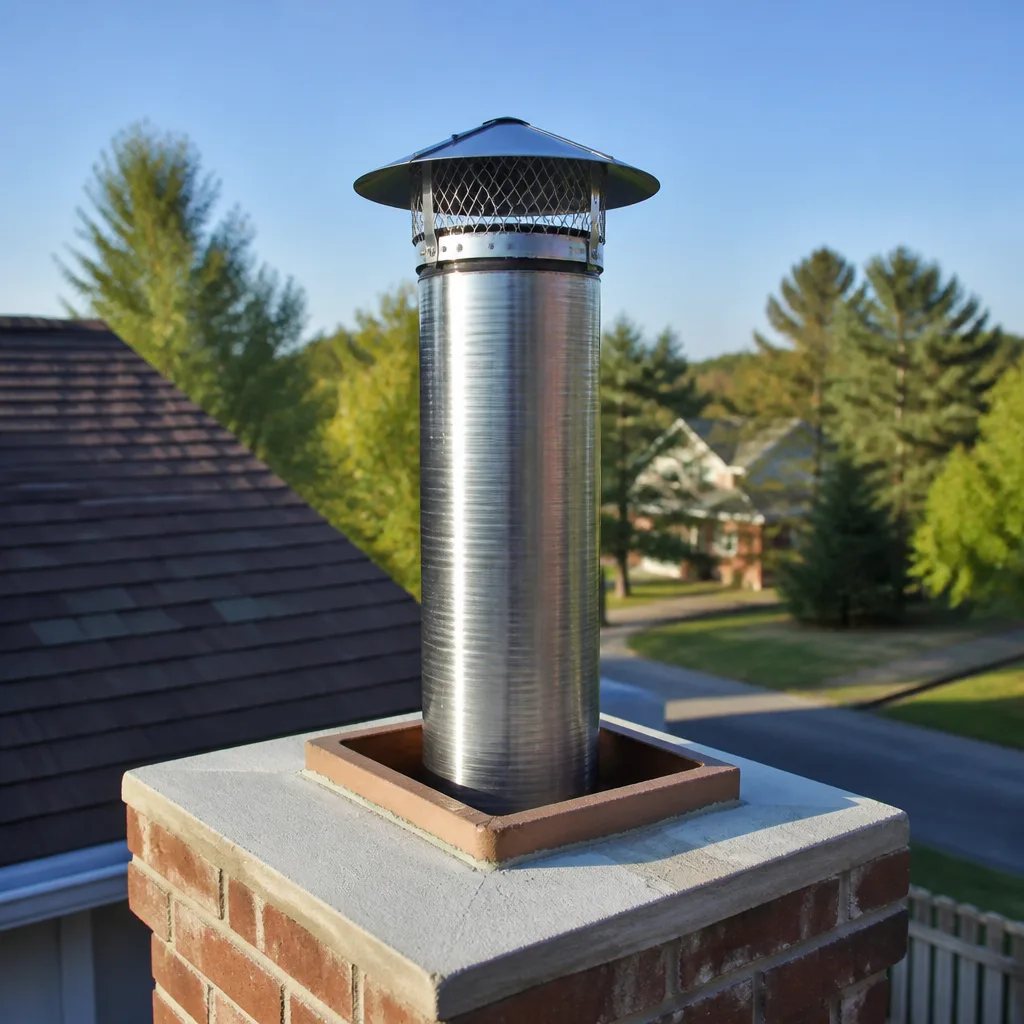
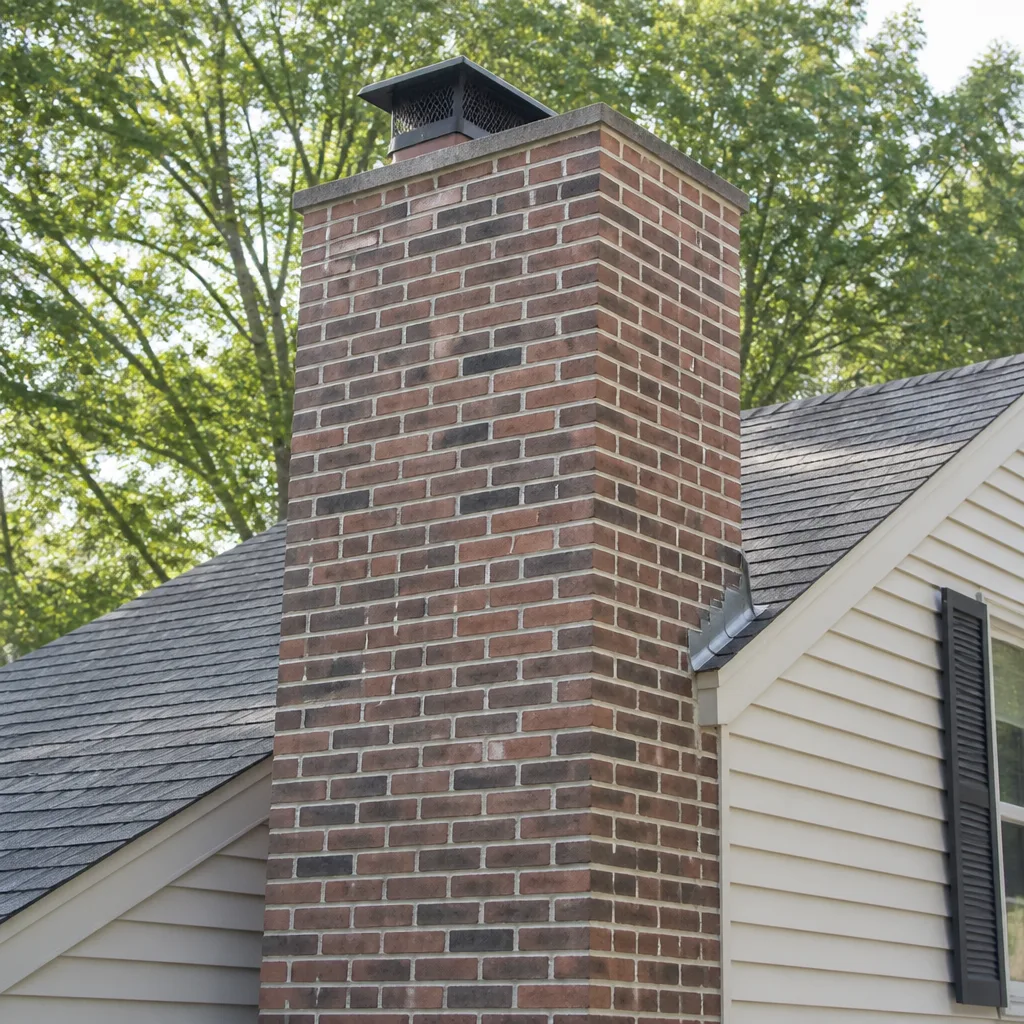
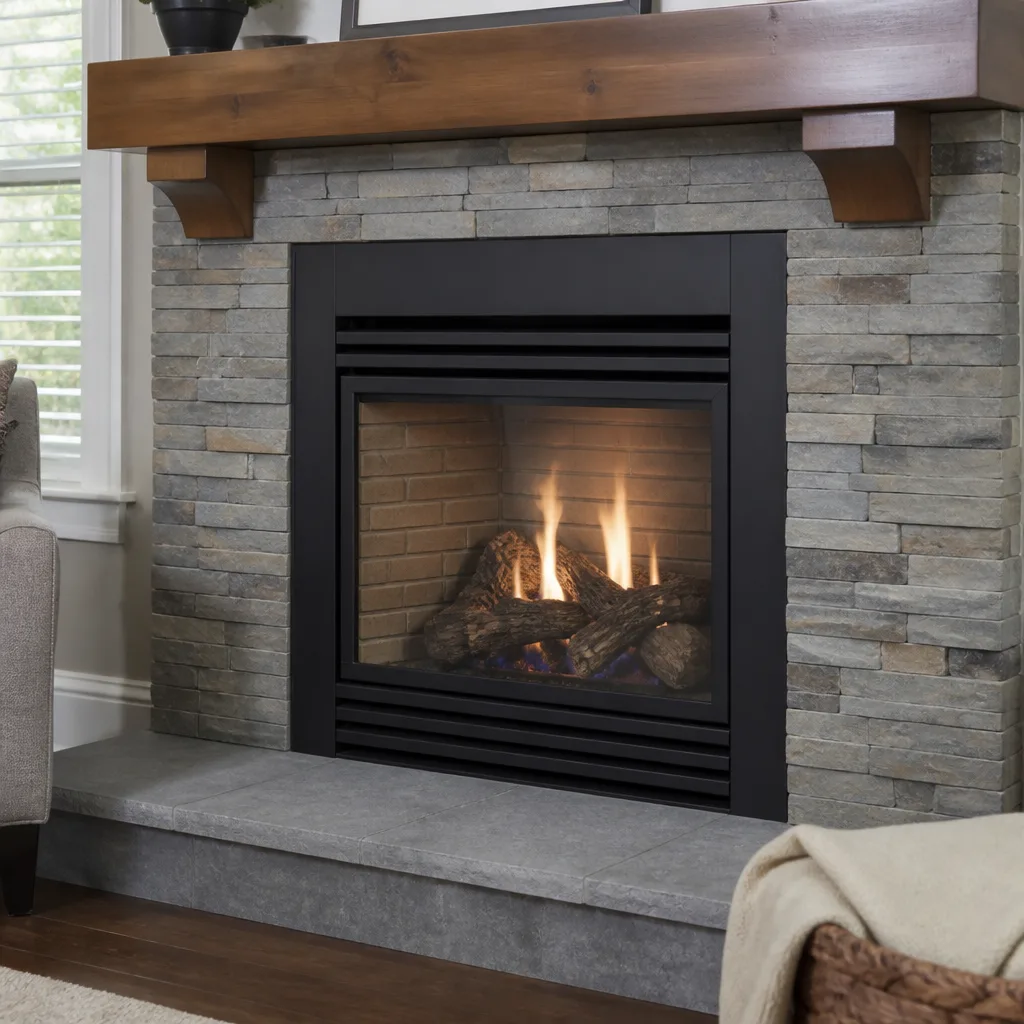
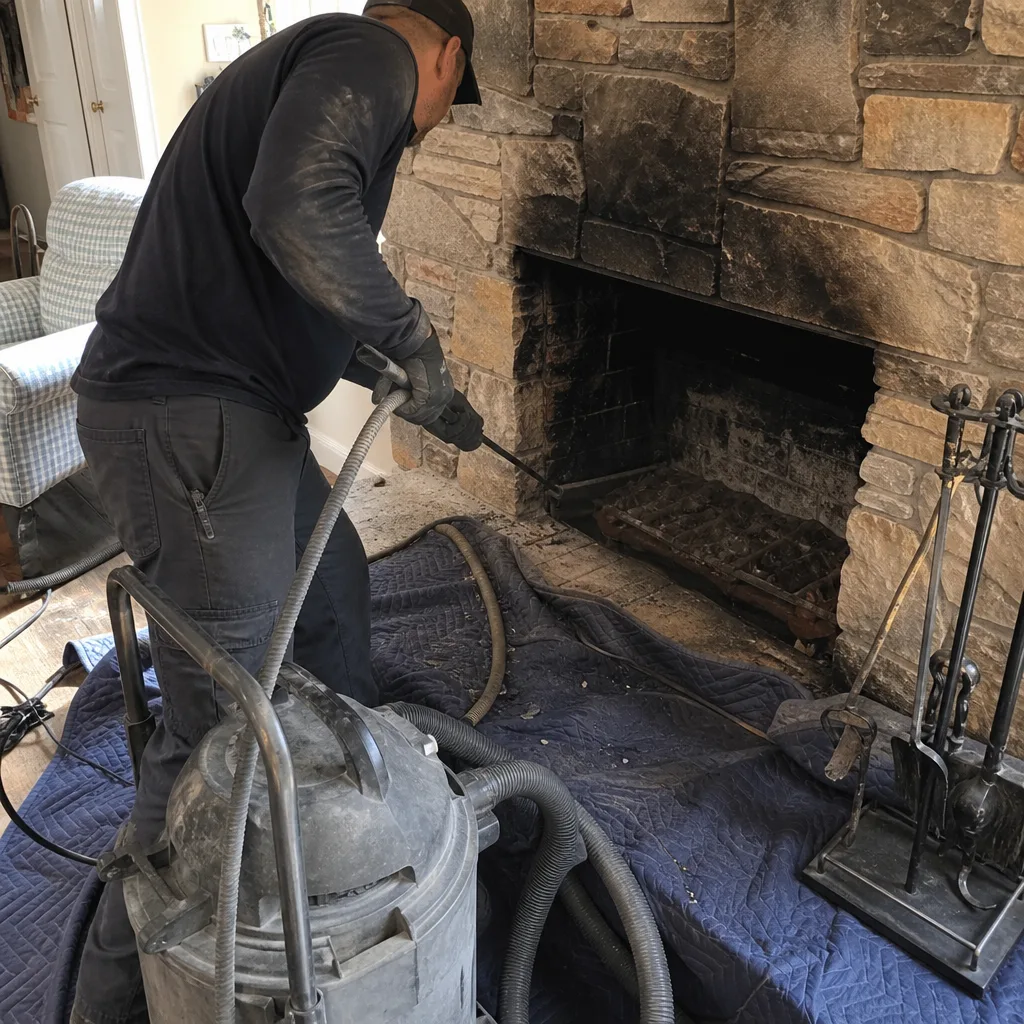 Before
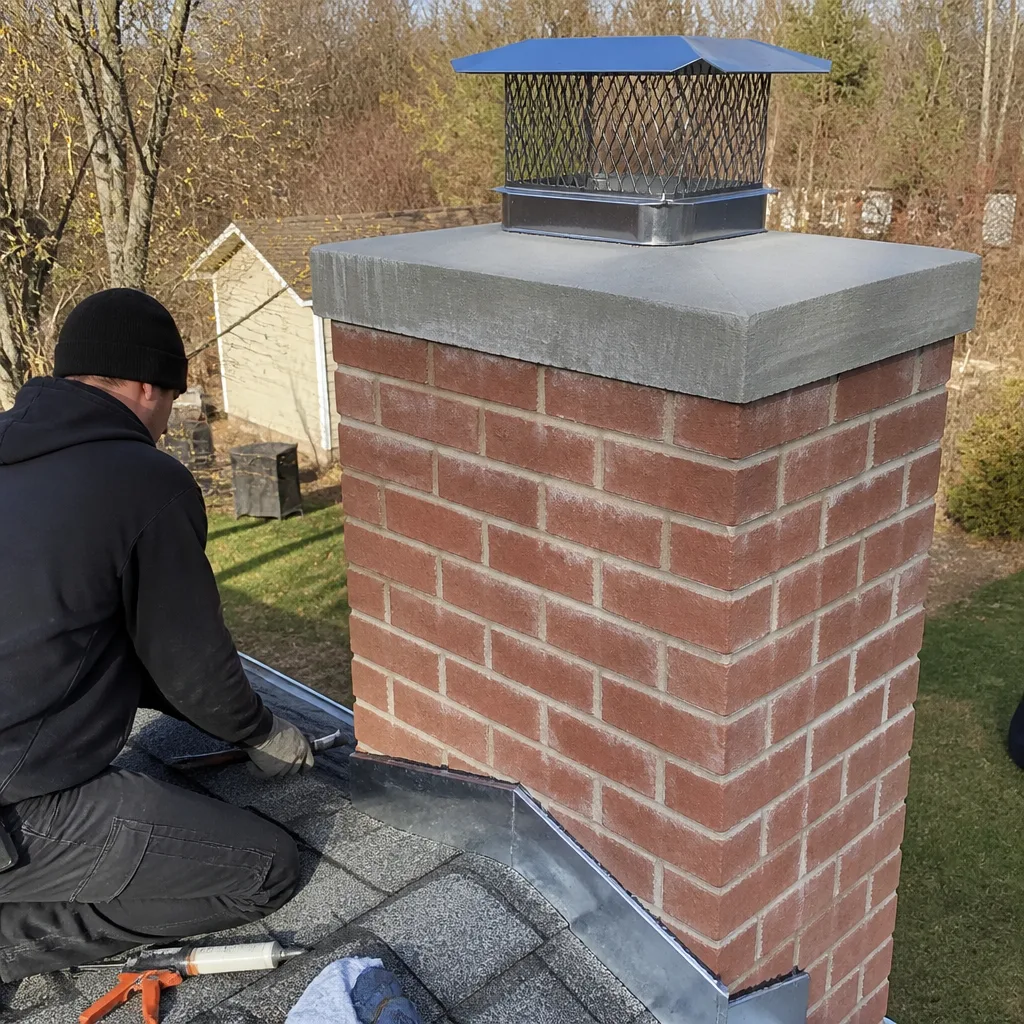 After
After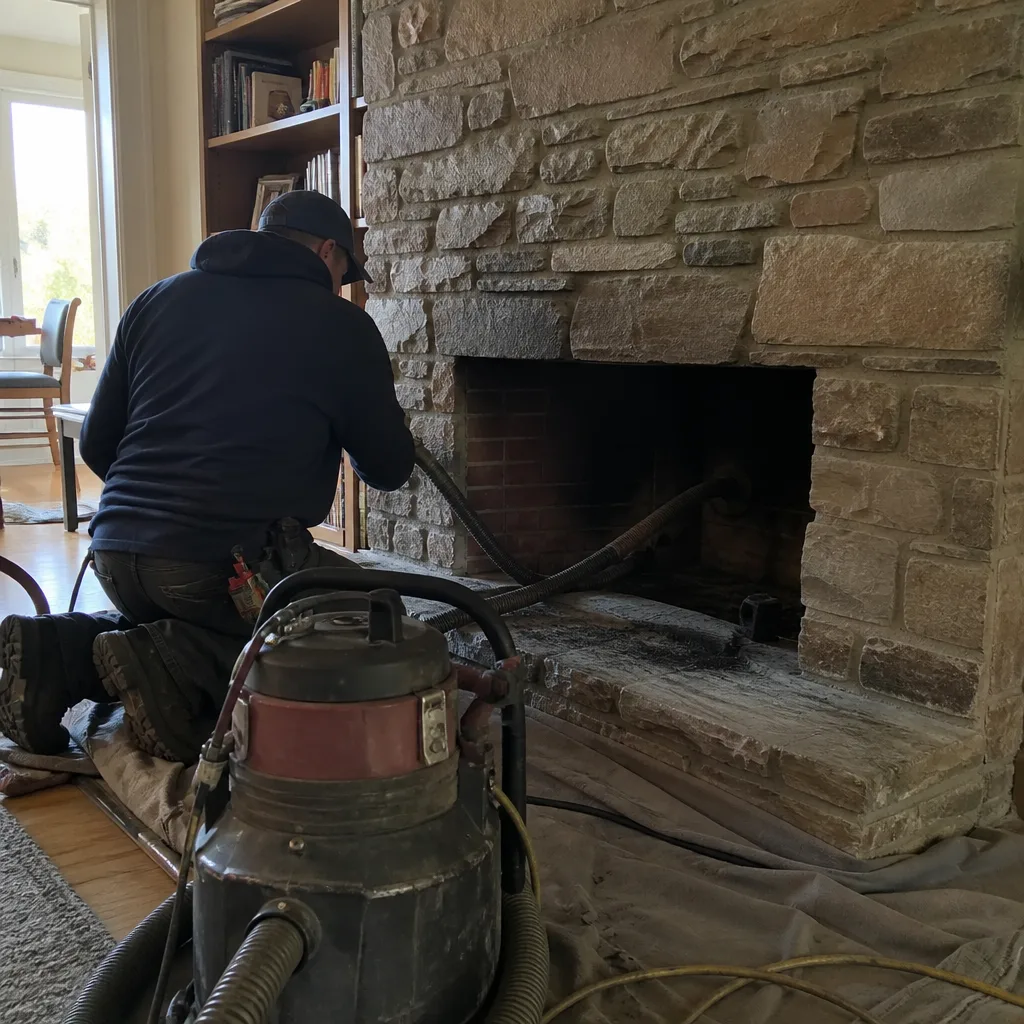 Before
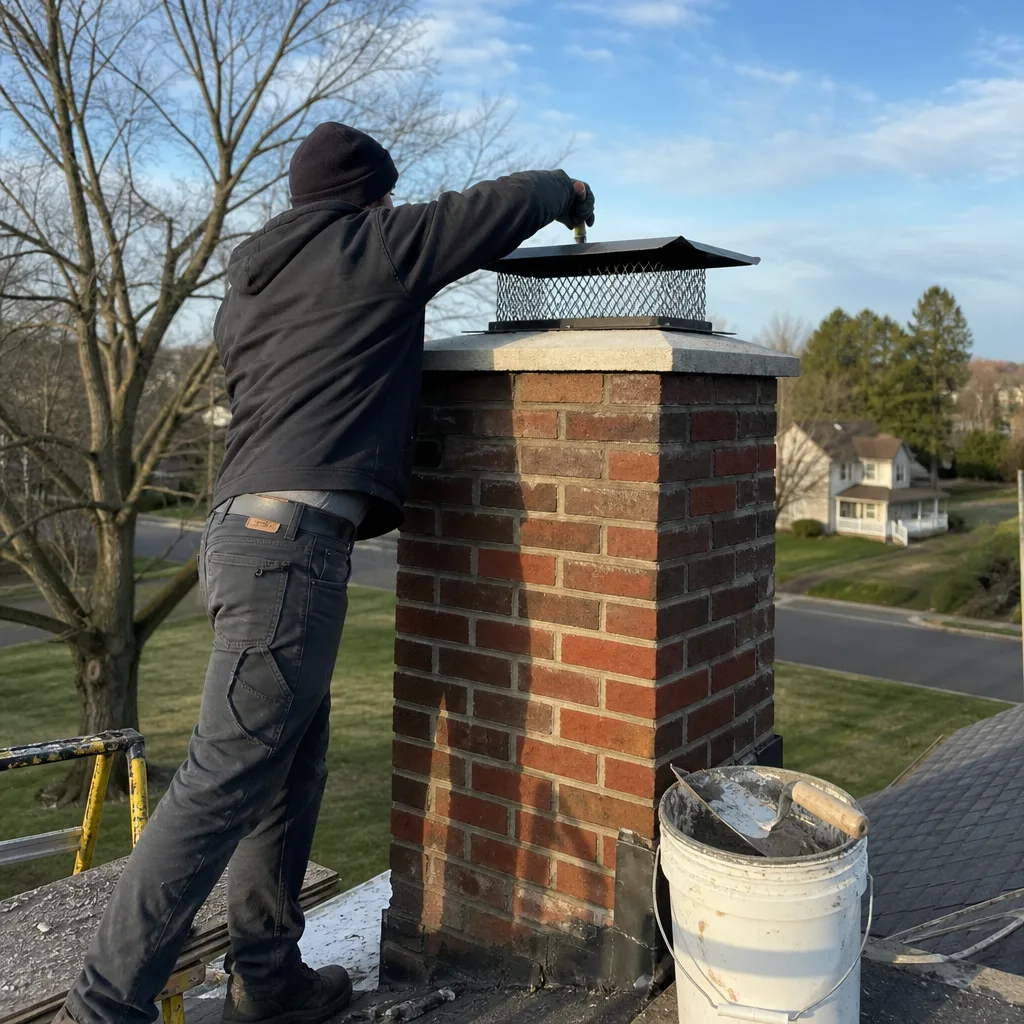 After
After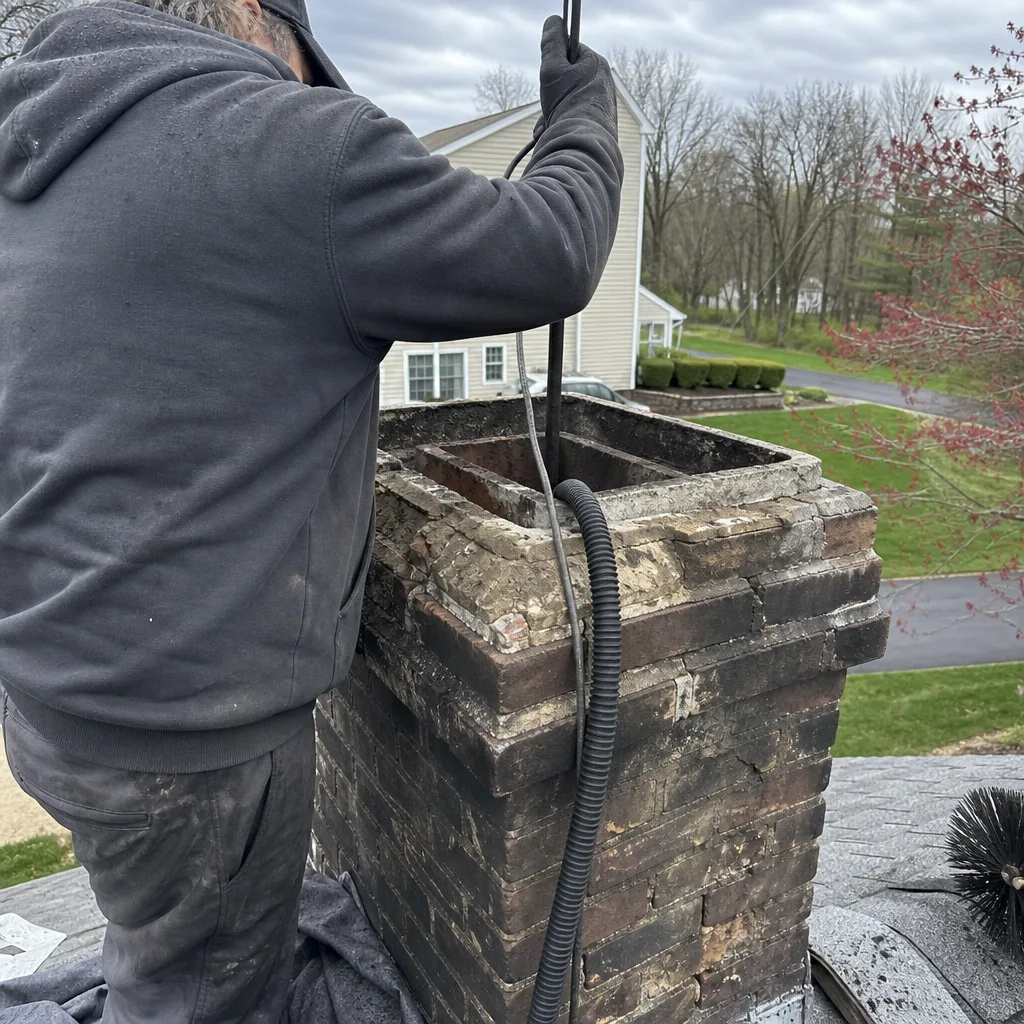 Before
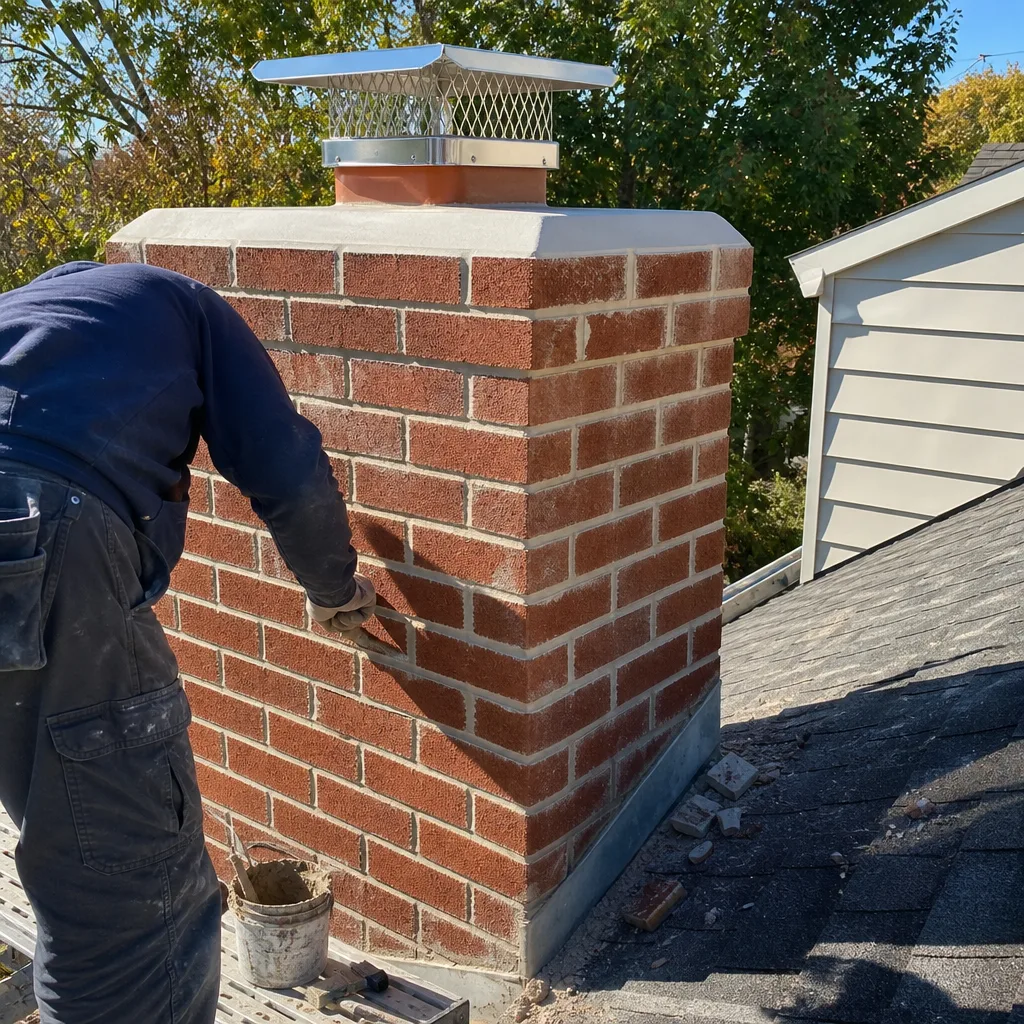 After
AfterCreosote Removal in Doylestown, PA
Our Chimney Cleaning & Sweep services for creosote removal in Doylestown typically run between $150 and $600, depending on how much buildup is present and which stage it has reached. Most cleanings for first-degree creosote take under two hours and can be scheduled the same week. If you are seeing black flaking inside the firebox or catching a sharp, smoky smell even when nothing is burning, it is time to call.
We have been doing this work since 1999, and Doylestown is one of those towns where we spend a lot of fall and winter. The older colonials and stone farmhouses out along Route 202 and on the side streets near Pine Street tend to have chimneys that have seen decades of use – sometimes with wood that was not fully seasoned, sometimes with stoves that were run too cool. That combination produces creosote fast, and it does not wait for you to notice it.
Our full Chimney Cleaning & Sweep in Doylestown service covers the whole flue system, and creosote removal is the most critical part of it. If you would rather talk to a live person before booking – and it may well be Wendell himself on the line – call us at (484) 600-2977. We answer around the clock, seven days a week, no voicemail box.
What Creosote Actually Is (and Why Stage Matters)
Creosote is the byproduct of incomplete combustion. When wood smoke rises up a flue that is cooler than the fire burning below it, the gases condense on the flue walls and harden. The problem is that it does not stop at one layer – it builds in stages, and each stage is harder to remove and more dangerous than the last.
- First-degree (Stage 1): Loose, flaky, and dark gray or black. A stiff brush clears it in one pass. This is what you want to catch every year.
- Second-degree (Stage 2): Tar-like, shiny, and sticky. It requires rotary tools and chemical treatments. A standard chimney brush will not touch it.
- Third-degree (Stage 3): A hardened glaze fused to the flue tiles. This is the one that starts chimney fires. Removal at this stage can involve HeatShield resurfacing or liner replacement, and the cost reflects that.
First-degree is a brush job. Third-degree is a glaze – catch it early. The gap between Stage 1 and Stage 3 is often just two or three seasons of skipped cleanings. In Doylestown, where a lot of households burn wood from October through March, that gap closes fast.
When You Need Creosote Removal
- You smell smoke when the fireplace is cold. A sharp, woody smell with no fire going is almost always creosote buildup. The deposit is releasing odor even at room temperature, which means it is thick enough to matter.
- You see black flaking inside the firebox or on the damper. Stage 1 creosote falls off the walls as it accumulates. Finding dark, papery flakes at the base of your firebox is a reliable sign the flue walls are coated.
- Your fire is harder to start or smoke is rolling into the room. Heavy creosote narrows the flue opening and disrupts draft. If your fires are lazy and the smoke is looking for the easiest exit – sometimes into your living room – that is a draft problem the buildup is causing.
- It has been more than a year since your last sweep, and you burn regularly. In Bucks County’s winters, a household burning three or four nights a week can build a measurable creosote layer in a single season. Once a year is the minimum, and some heavier users need it twice.
- You burn a lot of softwood or unseasoned wood. Pine, poplar, and green-cut wood produce far more creosote per cord than seasoned hardwood. We see this often in the newer neighborhoods off Route 313 where people are buying wood from whoever pulls up with a truck.
- You had a chimney fire – even a small one. A chimney fire can sound like a low roar inside the walls or sound like nothing at all. Either way, the heat changes the creosote that survived and can crack flue tiles. After any suspected chimney fire, get the flue inspected before lighting another fire.
Our Creosote Removal Process
- Camera inspection first. Before any brushes come off the truck, the sweep runs a camera through the flue from top to bottom. This tells us exactly which stage of creosote we are dealing with, whether there are cracks in the tile, and how much clearance the flue has. You see what we see – the footage and a plain-English verdict, every time, no exceptions.
- Fireplace and hearth protection. Drop cloths go down on the hearth and surrounding floor. The firebox opening gets sealed with a dust panel so that nothing escapes into the room. Twenty-six years of doing this means we leave the house cleaner than we found it.
- Stage-appropriate cleaning. For Stage 1 buildup, we use professional rotary brushes sized to your flue liner. For Stage 2 deposits, we add chemical treatments – products from Copperfield’s line of chimney cleaning compounds that break down the tar structure before mechanical removal. For Stage 3 glazed creosote, we assess whether the deposit can be removed safely or whether a HeatShield application or liner replacement is the right answer. We will tell you plainly which it is.
- Debris removal and disposal. All loosened creosote and soot is vacuumed out with HEPA equipment and bagged. It does not go in your trash can; we take it with us.
- Final camera pass and written report. After cleaning, the camera goes back up. This second pass confirms the flue is clear and documents the condition of the liner and tiles. If we find a crack or a deteriorated mortar joint that needs attention, we show it to you on screen and quote the repair before we leave – with upfront pricing, so the number you hear is the number on the invoice.
- Recommendations and scheduling, if needed. If the flue is clear and the tile is solid, we tell you so and book your next annual sweep. If there is a repair needed, you get a written quote on the spot, and the 90-Day Done Right Promise applies to any work we do.
Creosote Removal Pricing in Doylestown
Creosote removal in Doylestown costs between $150 and $600 for most residential chimneys. The range is wide because the work is genuinely different depending on what stage the buildup has reached. Here is how it typically breaks down:
| Creosote Stage | Typical Cost Range | Notes |
|---|---|---|
| Stage 1 (flaky, loose) | $150 – $249 | Standard brush cleaning, usually included in annual sweep pricing |
| Stage 2 (tar-like, sticky) | $250 – $425 | Rotary tools plus chemical treatment; may need a second visit |
| Stage 3 (glazed, hardened) | $400 – $600+ | Heavy mechanical and chemical work; liner condition assessed |
| Camera inspection (standalone) | $99 – $149 | Credited toward any repair booked on the same visit |
A few things push cost higher in this market: chimneys over two stories tall, flues with offsets or bends that complicate tool access, and older homes with terra cotta liners that require more care to avoid damaging the tile during heavy buildup removal. A lot of the homes in the West Side and Doylestown Borough proper have exactly this kind of older masonry, so we factor that in before quoting.
If any repair comes out of the inspection and it is over $200, the standing $40 discount applies automatically. Seniors and veterans always get 10% off. And if you already have a written estimate from another company, bring it – we offer a free second opinion on any competing written quote.
There is no trip charge for calls inside Bucks County. Call (484) 600-2977 for a free estimate – the number you hear on the phone is the number on the invoice.
FAQs – Creosote Removal
How often does creosote need to be removed in Doylestown?
A Level 1 Inspection once a year is the standard for any chimney that sees regular use, and the Chimney Safety Institute of America has recommended this interval for decades. In Doylestown’s climate, where fireplaces and wood stoves run from October into March, that annual sweep catches Stage 1 buildup before it has time to harden into something more serious. If you burn more than three or four nights a week, or if you use softwood frequently, twice a year is worth considering. Call (484) 600-2977 and we can help you figure out the right schedule for how you actually use the fireplace.
Can I remove creosote myself?
Stage 1 buildup can be reduced with creosote-modifying logs or powder treatments sold at hardware stores, but these products break the deposit down into ash – they do not remove it. The ash still needs to come out, and you still cannot see whether the deposit has already moved into Stage 2 or whether there are cracks in the liner that the buildup is hiding. We are not in the business of creating unnecessary jobs, but a Level 2 Inspection with a proper camera inspection and mechanical cleaning is the only way to actually know what is happening inside the flue. A sweep costs less than a chimney fire, every single time.
What does third-degree creosote removal cost in Doylestown?
Third-degree (glazed) creosote removal in Doylestown typically runs $400 to $600 or more, depending on flue height, liner condition, and how extensively the glaze has formed. At Stage 3, the deposit is fused to the flue wall, and removal requires aggressive chemical application and mechanical tools – and sometimes reveals liner damage underneath that needs to be addressed before the fireplace is safe to use again. If the liner is cracked or compromised, a HeatShield resurfacing or DuraFlex liner replacement may be the next step. We quote that on the spot, in writing, before any work starts. Call (484) 600-2977 for a free estimate.
Is creosote removal covered by homeowners insurance?
Routine creosote removal is considered maintenance, and most homeowners insurance policies do not cover it. What they sometimes do cover is damage caused by a chimney fire that resulted from creosote ignition – though claims in that category often depend on whether you can document regular maintenance. The practical takeaway: keeping an annual cleaning record is your best evidence that you did what a reasonable homeowner is supposed to do. We provide a written service report after every visit for exactly this reason. If you have a specific question about a claim, your insurance agent is the right person to ask.
Why Doylestown Homeowners Call Top Hat Chimney
Doylestown has a particular mix of housing stock that makes chimney maintenance more pressing than in newer subdivisions. The older colonials in the borough, the stone farmhouses on the eastern edge toward Furlong, and the mid-century ranches with prefab fireplaces near the county seat all have different flue systems, and none of them were built with the expectation that they would go years without a sweep. We have been working these same streets since 1999, and Wendell Pike has personally inspected chimneys in this county that have not seen a brush since the Clinton administration.
The national outfits that run ads in Doylestown will quote you one price on the phone and show up with a different number on a clipboard. That is not how we operate. The price you hear before we leave the driveway is the price on the invoice – no asterisks, no add-ons at the door. And if anything about the work is not right within 90 days, one call brings us back. That is the 90-Day Done Right Promise, and it is in writing on every job we do.
Wendell and his crew are background-checked, arrive in uniform, and give you a real arrival window – not a four-hour block. If something changes, we call you before you have to call us. That is a small thing, but it matters when you are rearranging your day to be home.
For more on our full sweep services, visit our Chimney Cleaning & Sweep in Doylestown page, or head back to our home to see everything we cover across Bucks County.
Key Takeaways
- Creosote removal in Doylestown costs between $150 and $600 depending on the stage of buildup – get it at Stage 1 and it stays at the low end.
- Once a year is the minimum for any actively used fireplace. Doylestown winters are long enough that skipping a year is a real risk.
- Stage 3 glazed creosote is the one that starts chimney fires – the camera inspection shows you exactly where you stand before we pick up a tool.
- Upfront pricing before work begins, no trip charge inside Bucks County, and the 90-Day Done Right Promise on every job.
- Seniors and veterans always get 10% off. Any repair over $200 gets $40 off automatically.
- Live person answers every call at (484) 600-2977 – around the clock, no voicemail.
Schedule Your Creosote Removal in Doylestown
If your last sweep was more than a year ago, or if you are seeing any of the signs we described above, give us a call before the next fire goes in. Creosote does not get better on its own – it gets harder, and harder is more expensive. Call Top Hat Chimney at (484) 600-2977 to schedule a free estimate for Fireplace Cleaning. Wendell or one of his crew will give you a straight answer about what is in your flue and what it costs to clear it. No pressure, no surprises at the door.
Written by Wendell Pike, Owner at Top Hat Chimney, serving Doylestown since 1999.