
Level 1 sweep and inspection to the NFPA 211 annual standard - flue, crown, cap, and flashing checked and photographed
Chimney sweep logs do not sweep chimneys. They loosen some creosote - which then falls where a brush and vacuum still have to collect it.
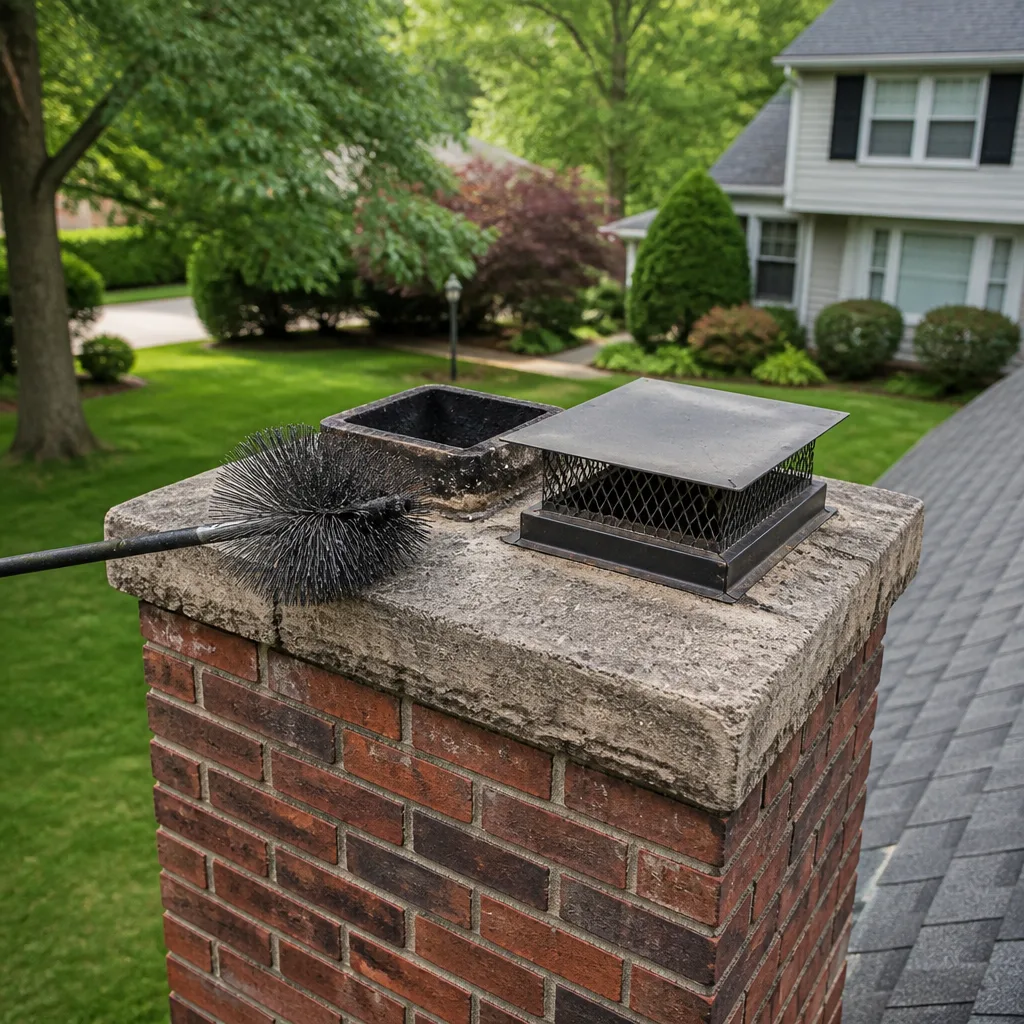
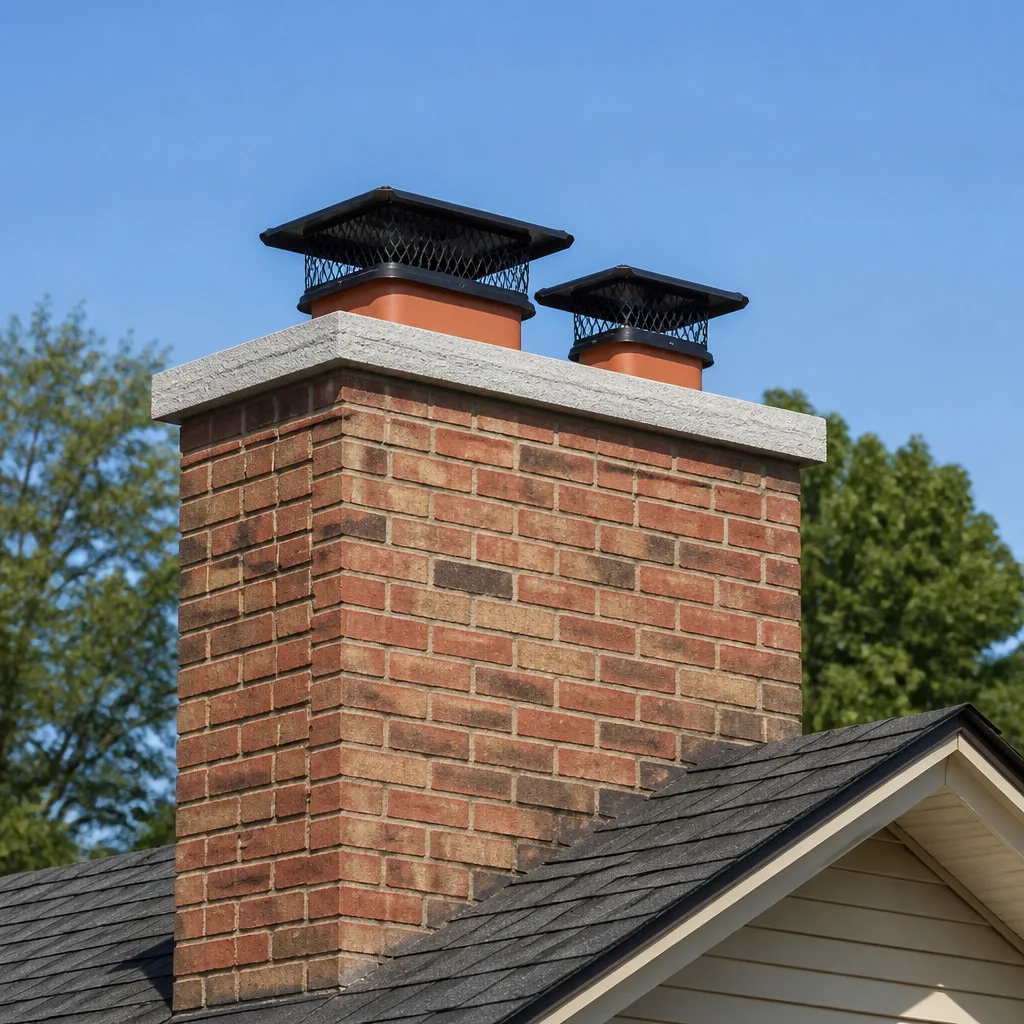
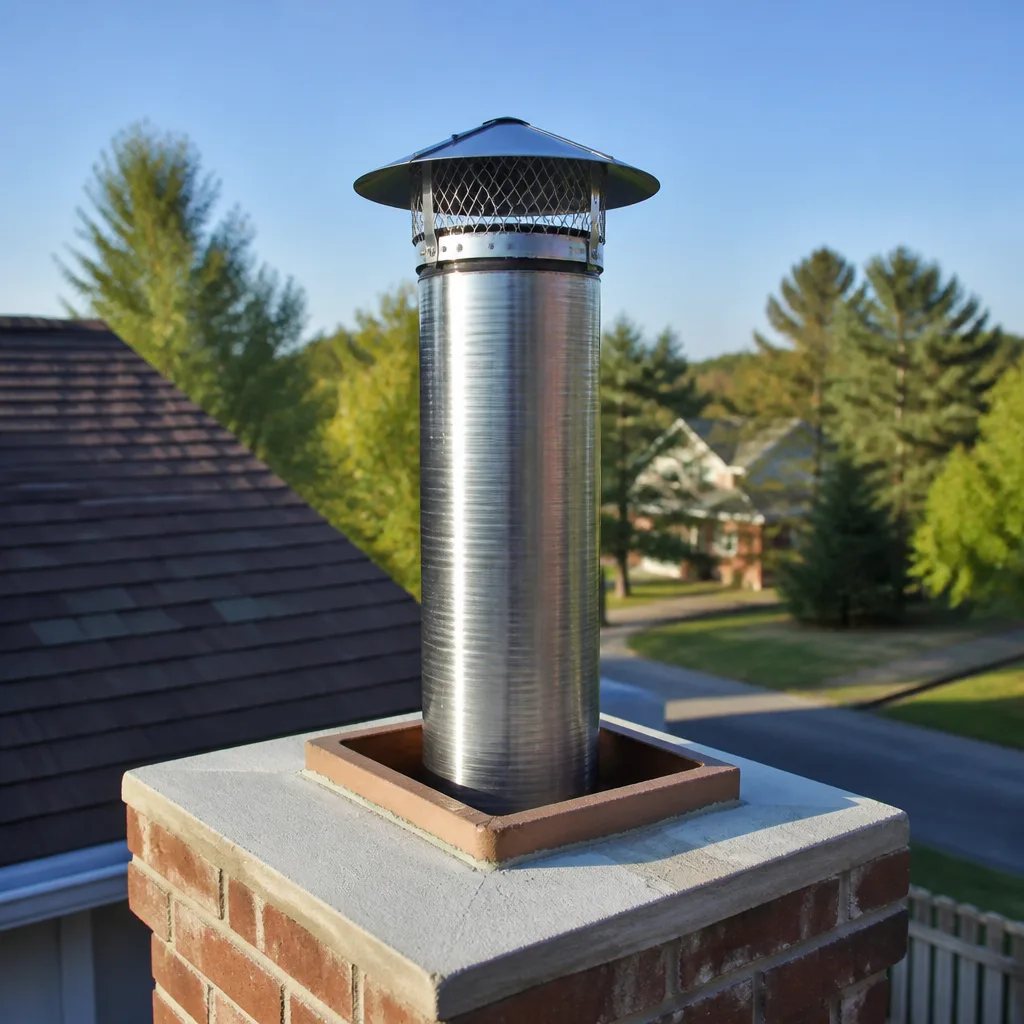
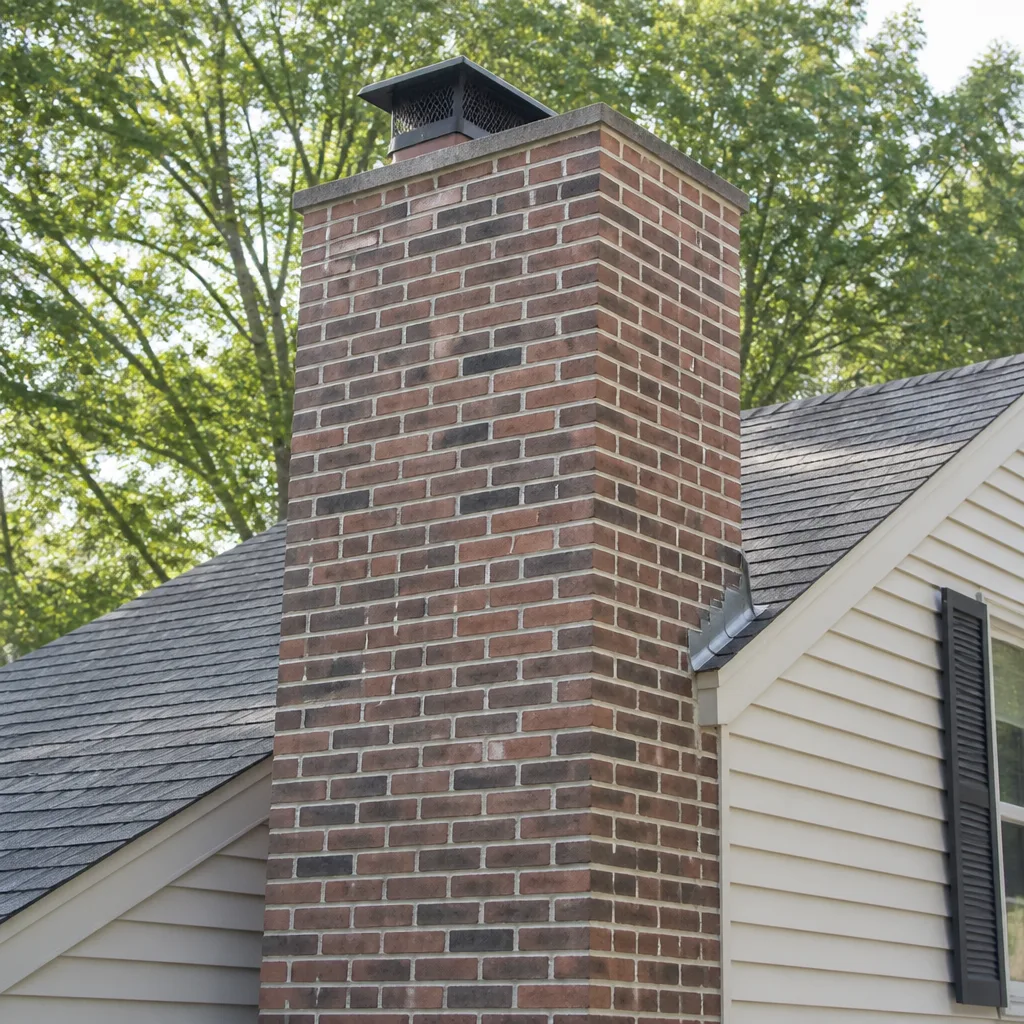
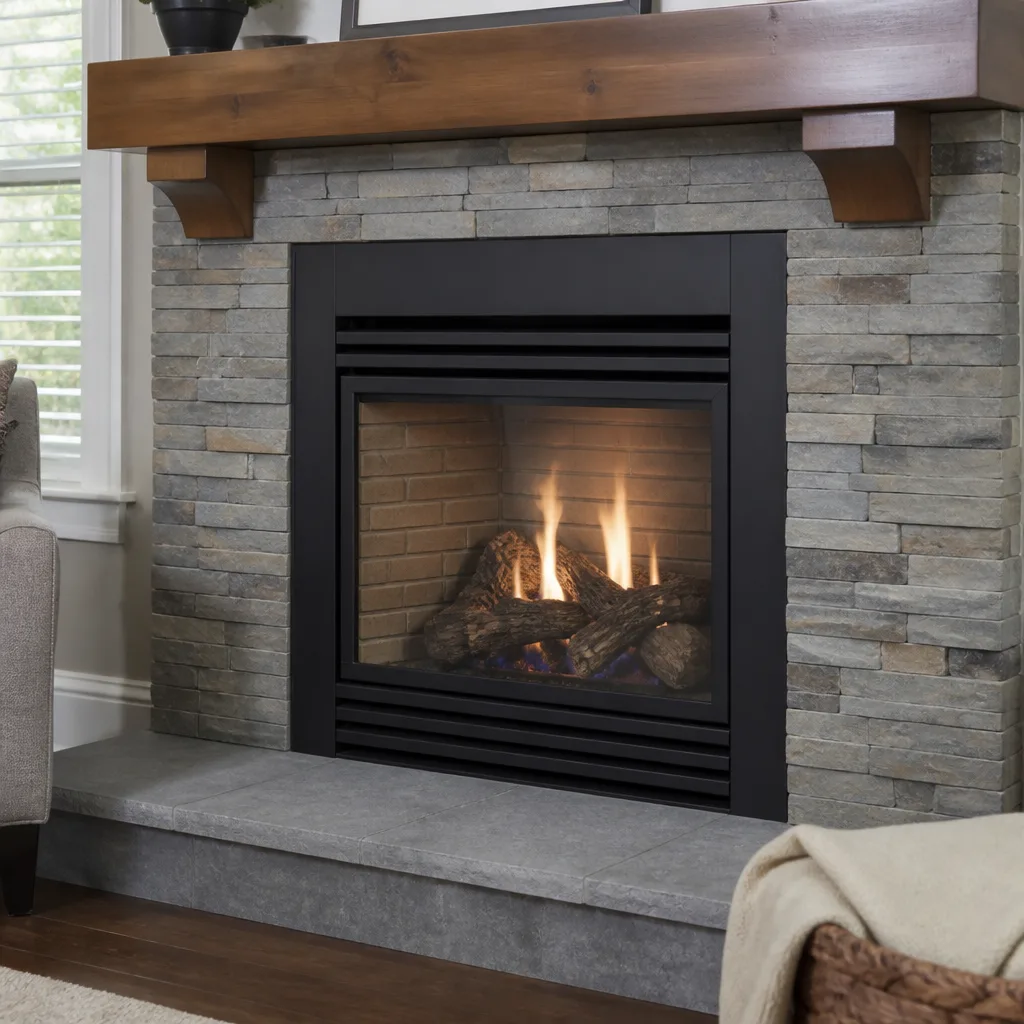
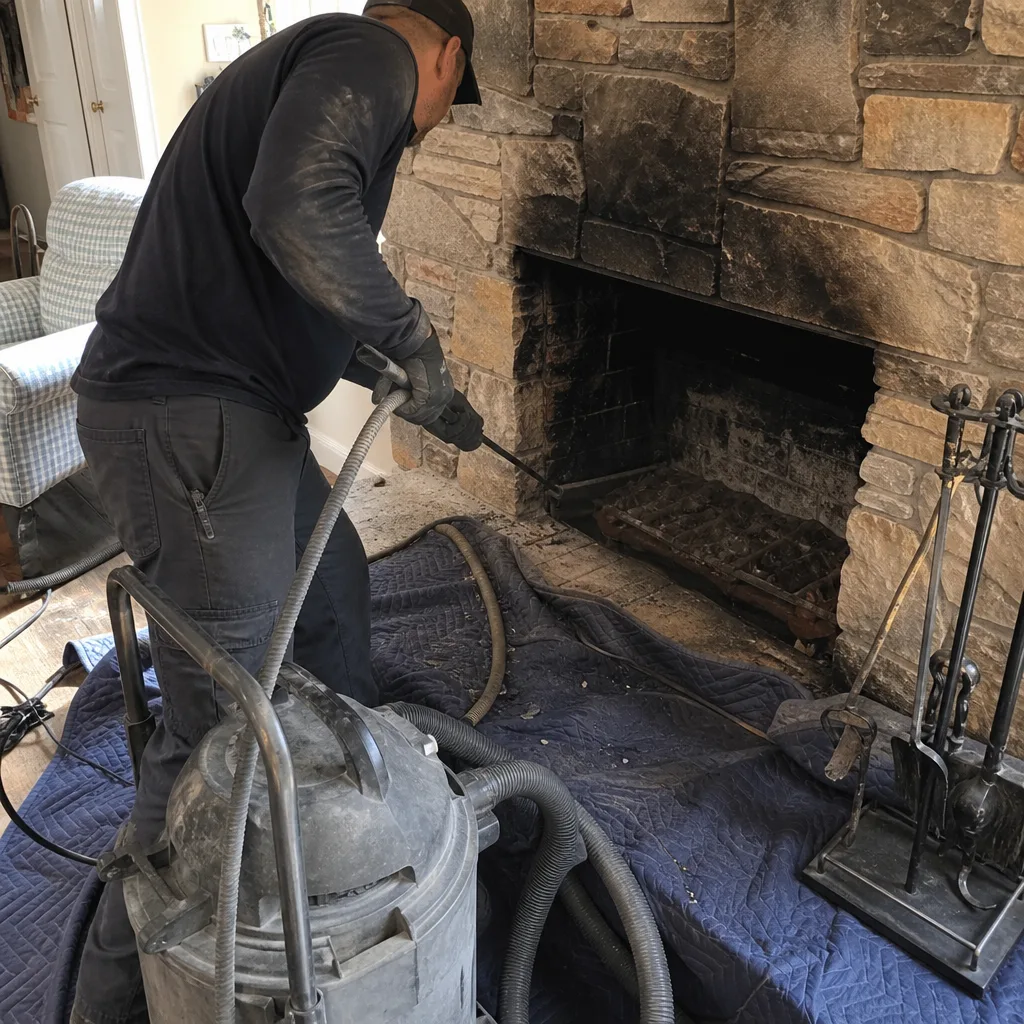 Before
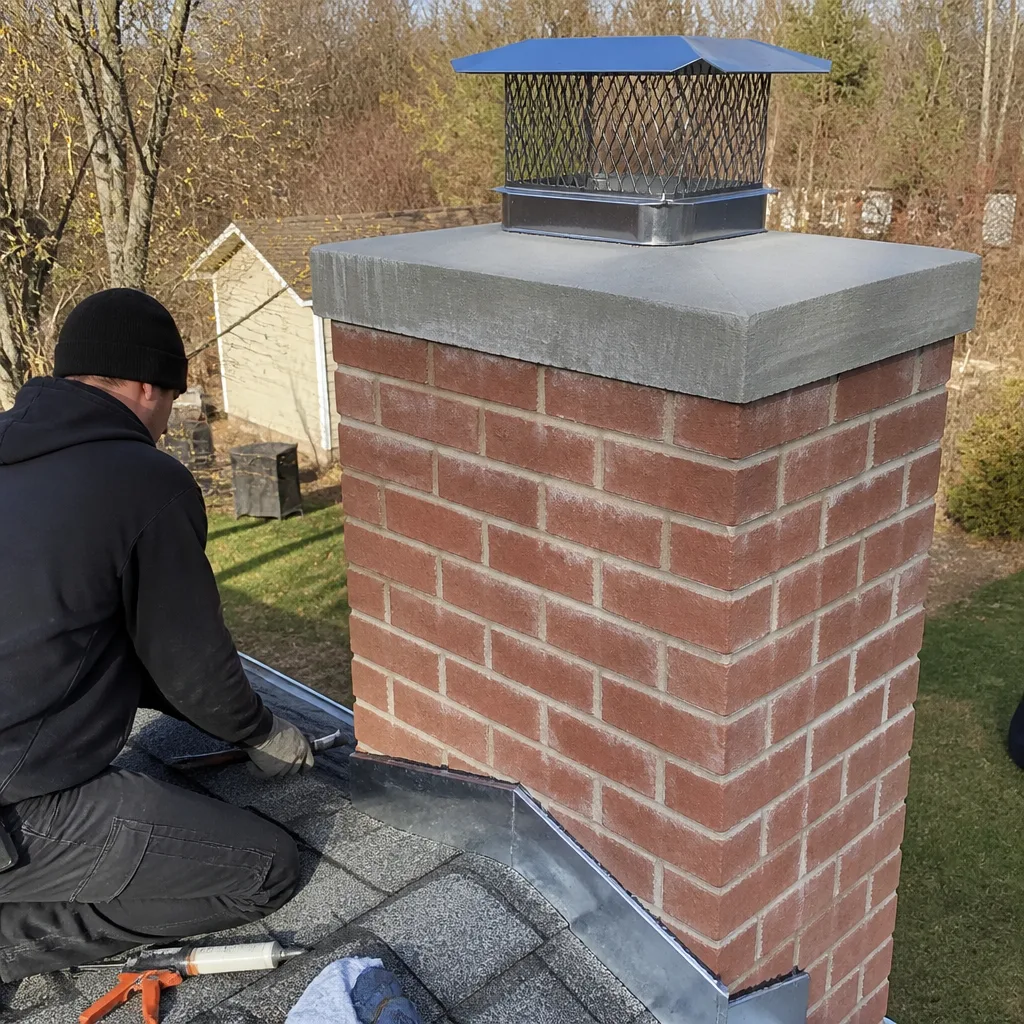 After
After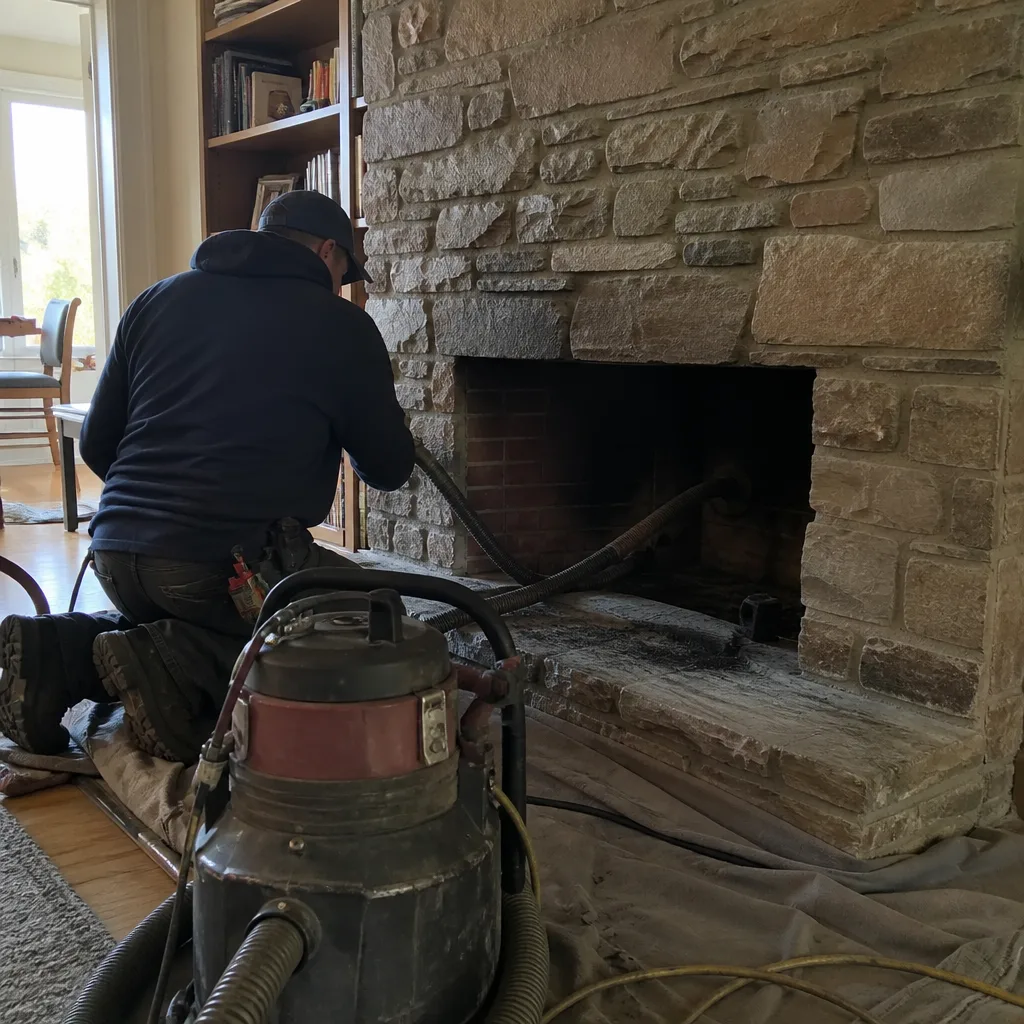 Before
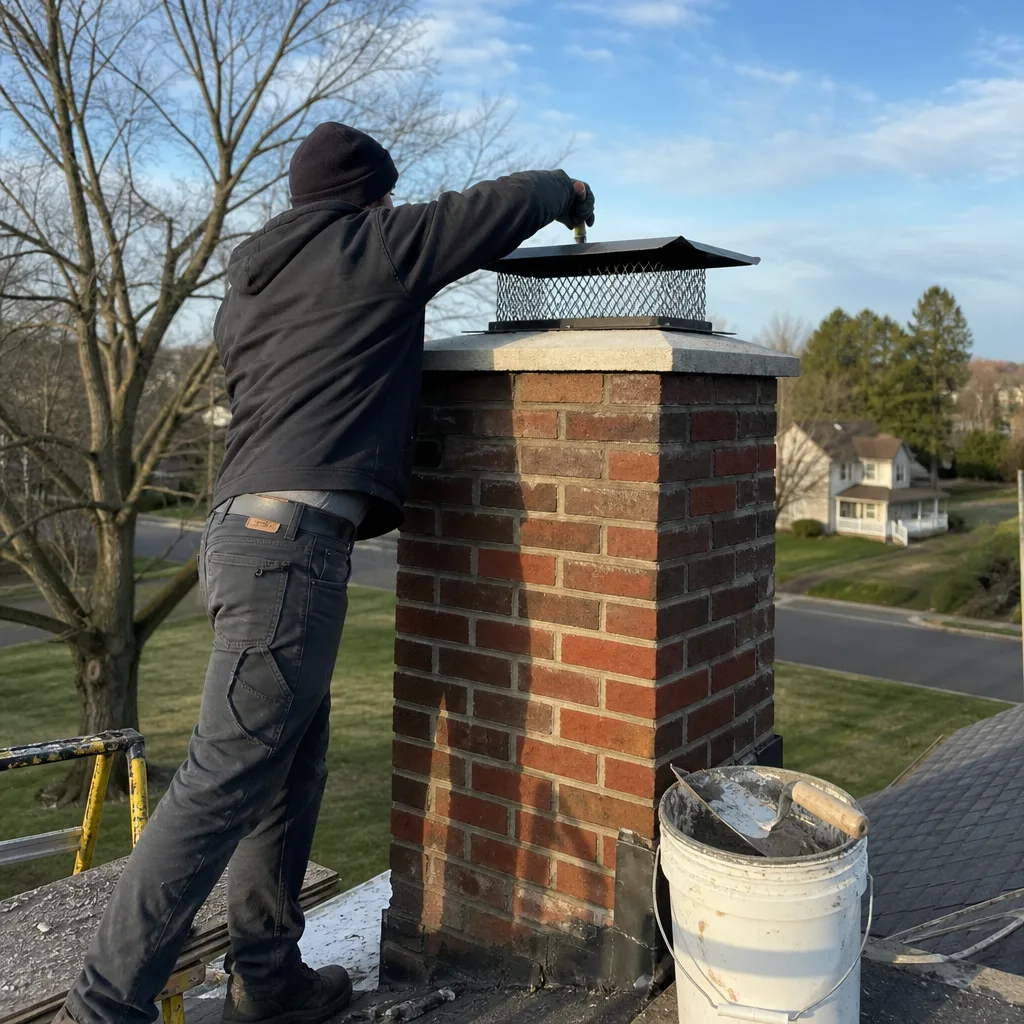 After
After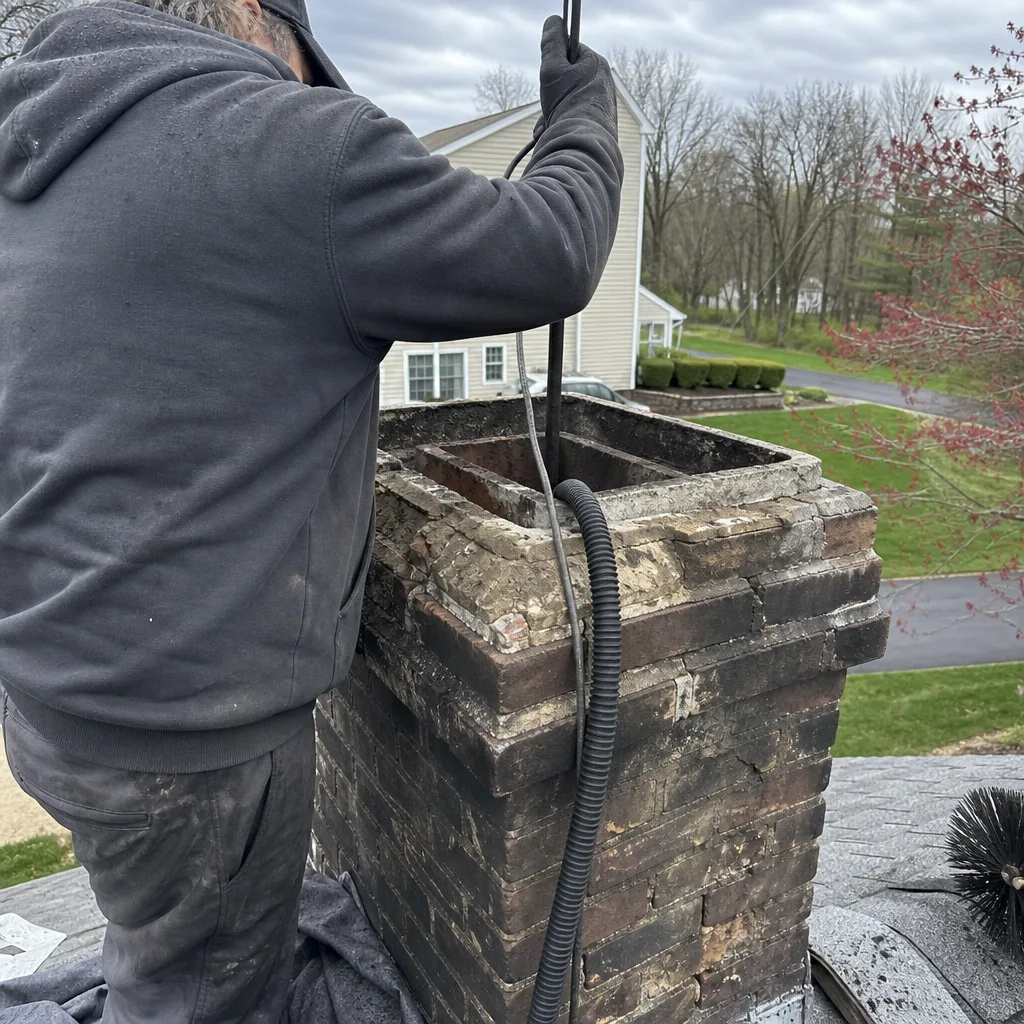 Before
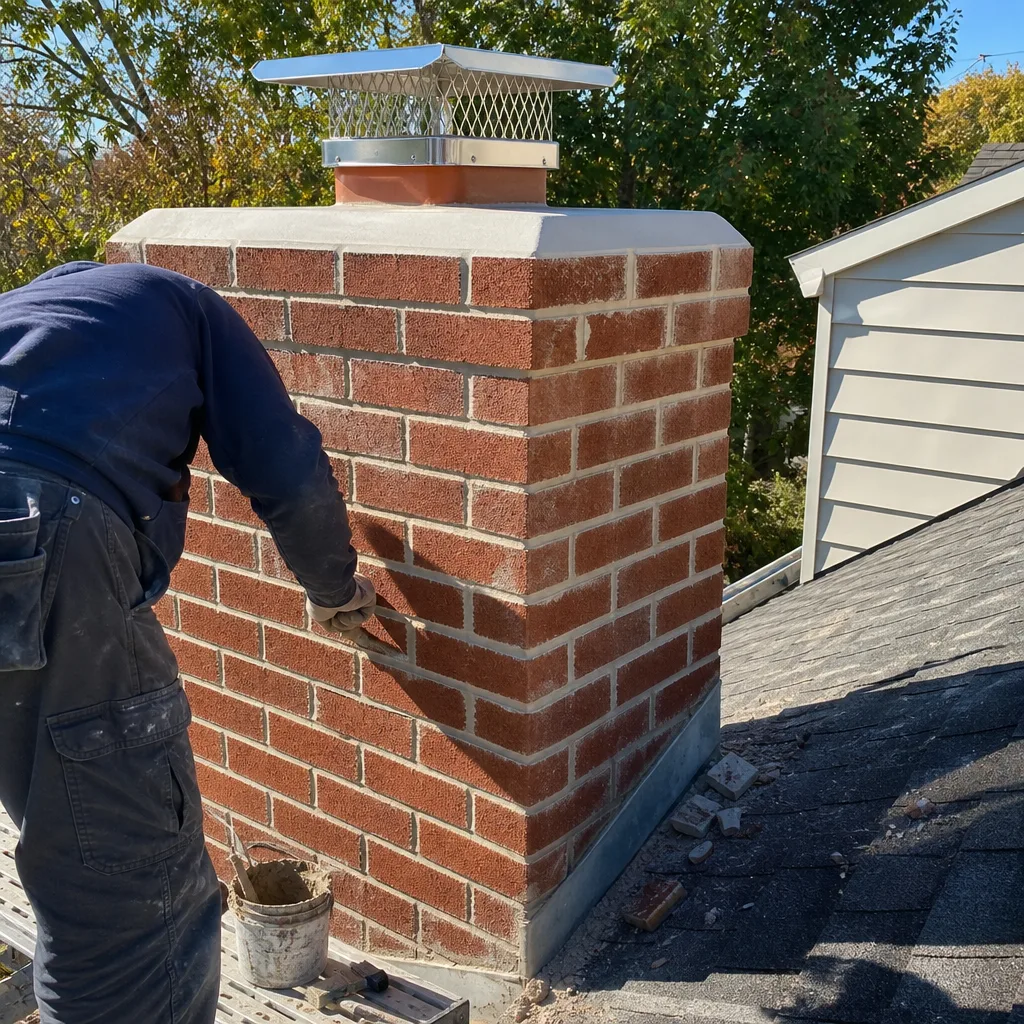 After
AfterSoot Removal in Doylestown, PA
Chimney Cleaning & Sweep services in Doylestown typically cost $120 to $280 and can usually be completed in a single visit. It is a core part of routine chimney maintenance – left to build up, soot narrows your flue, weakens your draft, and gives creosote the foothold it needs to become something much harder to deal with. At Top Hat Chimney, Wendell Pike has been clearing soot from flues across Bucks County since 1999, and he will tell you straight whether a quick brush job is all you need or whether something else is going on up there.
If you have noticed a dark, dusty residue around your firebox, a sharp smoky smell when the fireplace is not in use, or smoke that seems reluctant to climb the flue, those are signs that soot is doing more than sitting quietly. This page walks you through what soot removal actually involves, what it costs here in Doylestown, and how we handle the job from the first call to the last wipe-down. Our full Chimney Cleaning & Sweep in Doylestown page covers the broader scope of services if you want the bigger picture first.
You can reach us anytime at (484) 600-2977. A live person picks up – no voicemail, no call center – and it may well be Wendell himself.
When You Need Soot Removal
Soot accumulates whether you burn two cords a winter or just a handful of fires for atmosphere. Doylestown winters are cold enough that most households with a working fireplace are putting some real heat through that flue, which is why many residents search for Chimney Cleaning & Sweep Near Me in Doylestown, PA. Here is what typically tells us it is time to call:
- Visible black dust around the firebox or damper. A fine, powdery black residue that smears when you touch it is first-degree soot. It has not hardened yet, which means a good brush and vacuum clears it cleanly – but only if you catch it before it bakes on through another season of heat cycles.
- A persistent smoky or acrid odor when the fireplace is cold. In older Doylestown homes – particularly the stone and brick colonials common along Routes 202 and 313 – the flue liner absorbs odors over decades. A heavy soot layer is often the source. The smell tends to get worse in summer when humidity drives it back down.
- Smoke rolling into the room instead of drawing up. A flue narrowed by soot buildup chokes the draft. You may notice this most on the first fire of the season after months of the damper sitting closed and soot settling.
- It has been more than 12 months since your last cleaning. Once a year, burn or no burn. Chimneys break and collect debris in the off-season too – birds, moisture, settling mortar dust – and soot from even a few fires deserves a look before it layers.
- You have just moved into a home with a fireplace and have no service records. We see this regularly in Doylestown’s active resale market. Without records, you have no idea what is sitting in that flue. A camera inspection paired with soot removal gives you a clean baseline.
- You have switched fuel types or recently had a chimney cap installed. A new cap can change airflow enough to alter how soot deposits inside the flue. Any change to the system is a good reason to check what is accumulating.
Our Soot Removal Process
Wendell and his crew approach every job the same way: find out exactly what is there before any tool goes into the flue, do the work clean, and leave you knowing what the chimney actually looks like. Here is how a soot removal visit runs:
- Protect the room first. Drop cloths go over the hearth and surrounding floor. The firebox area gets sealed with a specialized dust barrier before any brushing starts. Soot is fine enough to drift into carpet and upholstery if you skip this step – we do not skip it.
- Camera inspection from the top and bottom. Before we brush anything loose, we run a camera through the flue so we know what we are dealing with. Soot in stage one looks very different from early-stage creosote glaze, and treating them the same way is how problems get missed. You get to see the footage and hear a plain-English verdict – every time, no exceptions.
- Brush the flue from top down. Using chimney brushes sized to your specific flue dimensions – round, square, or rectangular – we work from the top down so loosened soot falls toward the firebox rather than blowing back through gaps. The brushes we use are compatible with the liner materials common in Doylestown homes, including clay tile and DuraFlex stainless-steel flexible liner systems.
- High-powered HEPA vacuum at the base. While brushing runs from the roof, the industrial HEPA vacuum runs continuously at the firebox opening. This keeps airborne particles from settling in your living room. We have seen sweeps skip the vacuum and just sweep the debris into a pile – that is a good way to coat your room in fine particulate. We do not do it that way.
- Clean and inspect the firebox, damper, and smoke shelf. Soot collects on the smoke shelf – the ledge just above the damper – in significant quantities. It is not part of the flue proper, but it is a fire hazard if it overflows into the firebox. We clear it every time and check the damper operation while we are there.
- Post-job walk-through and written report. Before we pack up, Wendell or the sweep on site walks you through what was found, what was cleaned, and whether anything else needs attention. If the camera showed early-stage creosote or a cracked tile, you will hear about it plainly. If the flue looks fine, you will hear that too. The report and the 90-Day Done Right Promise come with every job in writing.
Soot Removal Pricing in Doylestown
Soot removal in Doylestown runs between $120 and $280 for most residential jobs. The range is real – what you pay depends on a handful of honest factors, not what we think we can get away with. We give you the number before a single tool comes off the truck, and the number on the phone is the number on the invoice.
| Situation | Typical Price Range |
|---|---|
| Single fireplace, light soot, standard flue height | $120 – $165 |
| Single fireplace with moderate buildup or longer flue | $165 – $220 |
| Heavy soot with partial creosote formation | $220 – $280 |
| Second fireplace or wood stove on the same visit | Add $75 – $110 |
| Camera inspection (included with cleaning or standalone) | $75 – $125 standalone |
What moves the number up: heavier soot layers that require multiple passes, taller chimneys common in some of the Victorian-era homes in the Doylestown Borough Historic District, flues with tight offsets that take longer to brush thoroughly, or a smoke shelf so loaded with debris it requires separate clearing. What keeps the number down: staying current with Annual Sweep cleanings so buildup never gets ahead of a routine brush job.
A note on creosote: first-degree creosote is a brush job and falls into the ranges above. Second-degree buildup – a flaky, darker layer – costs more to address and may require a chemical application before brushing. Third-degree is a glaze and is a different conversation entirely, usually involving a HeatShield resurfacing treatment or liner replacement. Catch it early and you avoid that conversation. That is the honest reason annual cleaning matters.
Standing discounts that apply to soot removal visits:
- 10% off for seniors and veterans – always, no expiration
- $40 off any repair over $200 found during the same visit
- No trip charge for calls inside Bucks County
- Free second opinion on any competing written estimate you have already received
Call (484) 600-2977 for a free estimate. We will ask a few straightforward questions about your fireplace and give you a real range before you commit to anything.
Why Doylestown Homeowners Call Top Hat Chimney
There is a national outfit that has been running ads in this area for a few years now. They quote one price on the phone and show up with a different number on a clipboard. We hear about it regularly – from neighbors in New Britain Township, from folks over in Buckingham, from people who bought a historic home in the Borough and trusted the first name they found online. By the time they call us, they are frustrated and, in a few cases, genuinely out of pocket for work that was not done or was not needed.
Wendell started Top Hat Chimney in 1999. He grew up in this part of Bucks County, he drives these roads every week, and he will run into you at the farmer’s market or the hardware store on Saturday. That is not a marketing line – it is the reason the pricing and the work are what they are. You can look up the license number. You know the address. The 90-Day Done Right Promise is printed on every job ticket: if something is not right, one call brings the crew back at no additional cost.
The sweep who shows up at your door is background-checked, arrives in a Top Hat uniform, gives you a real arrival window, and calls if anything shifts. Your flue does not care how the fire looks. It cares how it breathes. We care about the same thing.
Soot Removal and Your Chimney’s Bigger Picture
Soot removal does not happen in isolation. When Wendell runs the camera through your flue, he is also looking at the liner condition, the mortar joints between clay tile sections, the smoke chamber, and the damper. In Doylestown’s climate – cold winters, humid summers, freeze-thaw cycles that hit stone and brick hard from November through March – chimneys take steady wear even when the fireplace gets light use.
Older homes in the Borough and the surrounding townships frequently have original clay tile liners that are now 50 to 80 years old. Soot builds on small cracks before the cracks become obvious from outside the flue. A Copperfield-grade brush with the camera running simultaneously is how you find a hairline fracture before it becomes a fire or a carbon monoxide path into the house. We have found both in homes where the previous owner reported no problems.
If the liner is sound and the soot is the only issue, the job is simple and the price reflects that. If the camera shows something else, you will hear it plainly and get an upfront number for whatever comes next. No surprises at the door.
For a full overview of what a chimney cleaning visit covers beyond soot – including creosote assessment, cap inspection, and the difference between a Level 1 and Level 2 inspection – visit our home page or the parent service page linked above.
Key Takeaways
- Soot removal in Doylestown costs $120 to $280 depending on buildup level, flue height, and whether additional clearing is needed.
- Annual cleaning prevents first-degree soot from becoming creosote – a much more involved and expensive problem.
- Every visit includes a camera inspection and a plain-English walk-through of what was found.
- The 90-Day Done Right Promise is in writing on every job. One call brings the crew back at no charge if something is not right.
- Seniors and veterans receive 10% off every time, and there is no trip charge for Bucks County calls.
- The number you hear on the phone is the number on the invoice – no price changes at the door.
FAQs – Soot Removal in Doylestown
How often should I have soot removed from my chimney?
Once a year is the right interval for most Doylestown households, even if you only burned a few fires. Soot accumulates from every fire and also from ambient moisture, settling debris, and occasional animal activity during the months the damper sits closed. If you burn more than two cords in a season – which is common in the older, less-insulated homes in New Britain and Buckingham townships – twice a year is reasonable. Call (484) 600-2977 and Wendell can tell you what makes sense based on your specific fireplace and fuel use.
Is soot removal the same as a full chimney sweep?
Soot removal is the core task inside a full chimney sweep, but a complete sweep also covers the smoke shelf, damper inspection, cap check, and a camera pass through the liner. When you call Top Hat Chimney for soot removal, you get the full process – not just a brush and a wave goodbye. The prices on this page reflect that. If all you have ever had done is a brush with no camera and no written report, you have not had a complete cleaning.
Can soot cause a chimney fire?
Soot alone is less combustible than hardened creosote, but it is the precursor to creosote and should not be dismissed. A thick soot layer reduces the flue’s internal diameter, restricts airflow, and raises flue gas temperatures in ways that accelerate creosote formation on the soot itself. In short: let soot sit long enough in the right conditions and it becomes the more dangerous material. First-degree creosote is a brush job. Third-degree is a glaze – catch it early. Annual removal keeps you on the right side of that line.
Will soot removal make a mess in my house?
Not if it is done right. The first thing Wendell’s crew does is lay drop cloths and seal the firebox opening before any brush goes into the flue. A high-powered HEPA vacuum runs continuously at the base throughout the brushing process. When we leave, the hearth area should look the same or cleaner than when we arrived. If it does not, that is what the 90-Day Done Right Promise is for – call us back.
Ready to schedule a soot removal visit or just want a straight answer about what your chimney needs? Call Top Hat Chimney at (484) 600-2977 – any time of day, a live person picks up. There is no trip charge for Bucks County calls, the estimate is free, and seniors and veterans always get 10% off. Upfront pricing before any work begins, and the 90-Day Done Right Promise in writing when the job is done.
Written by Wendell Pike, Owner at Top Hat Chimney, serving Doylestown since 1999.