

Last updated September 10, 2026
Level 1 sweep and inspection to the NFPA 211 annual standard - flue, crown, cap, and flashing checked and photographed
Chimney sweep logs do not sweep chimneys. They loosen some creosote - which then falls where a brush and vacuum still have to collect it.
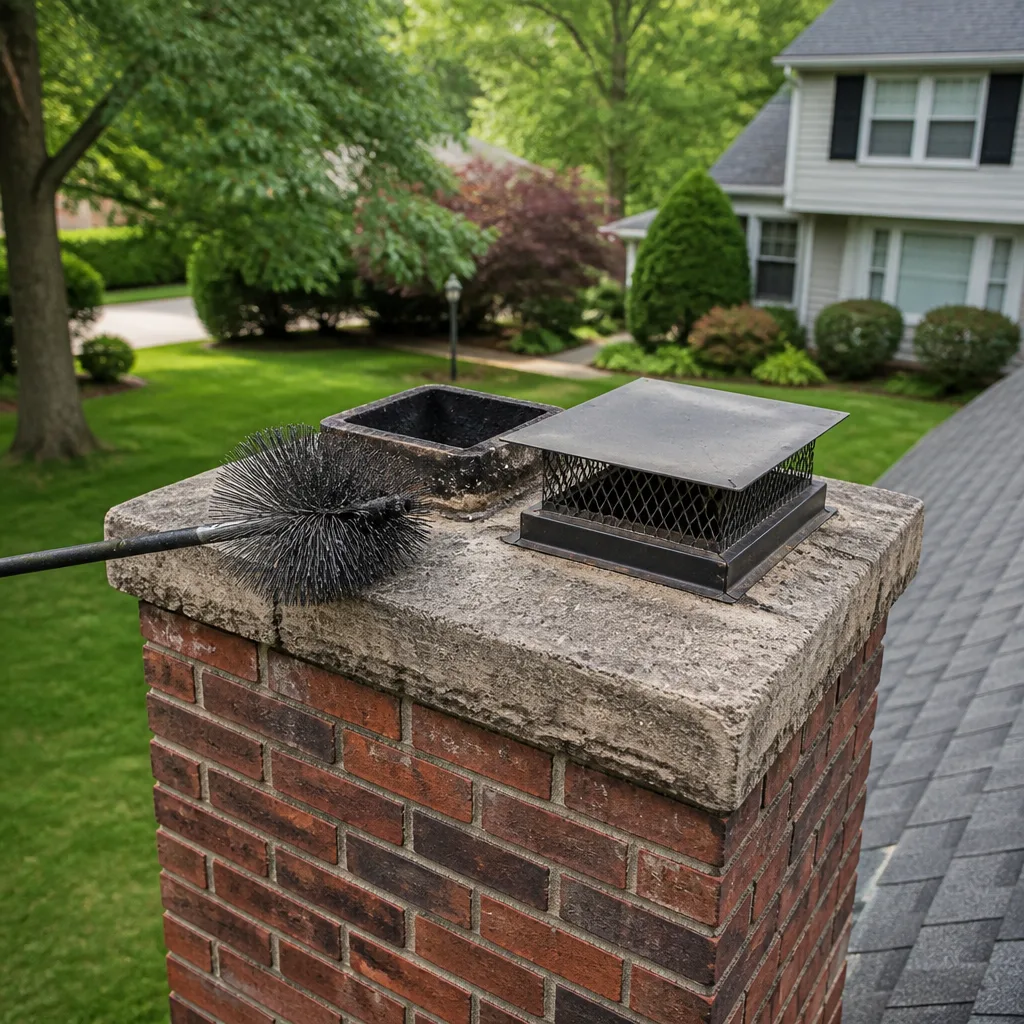
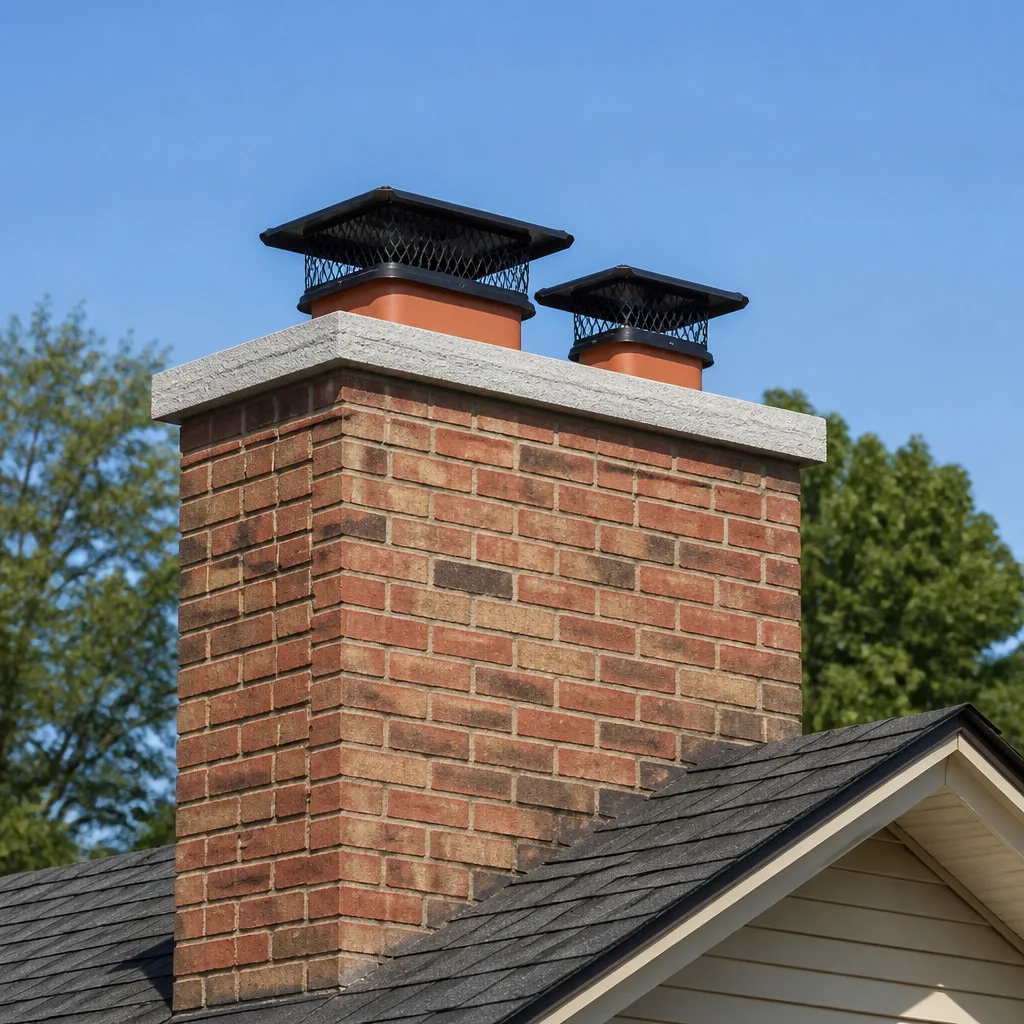
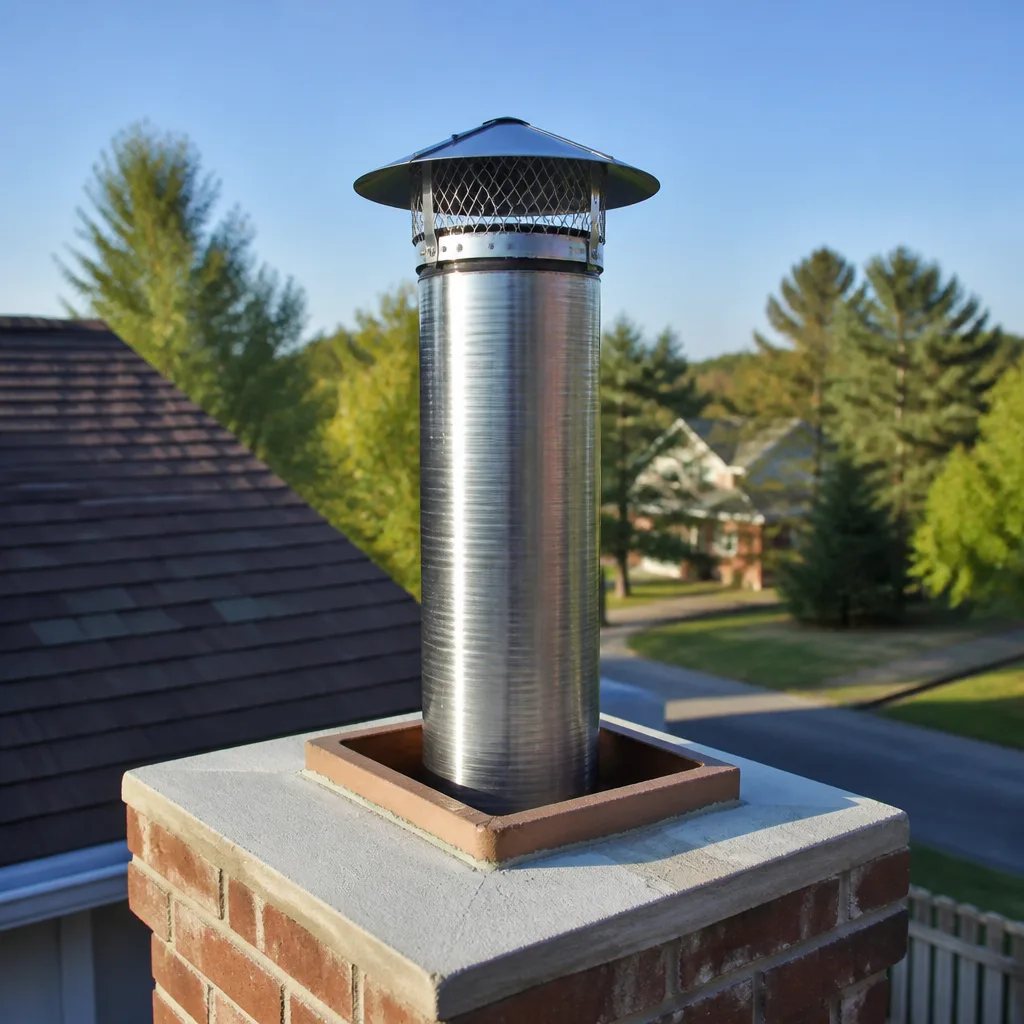
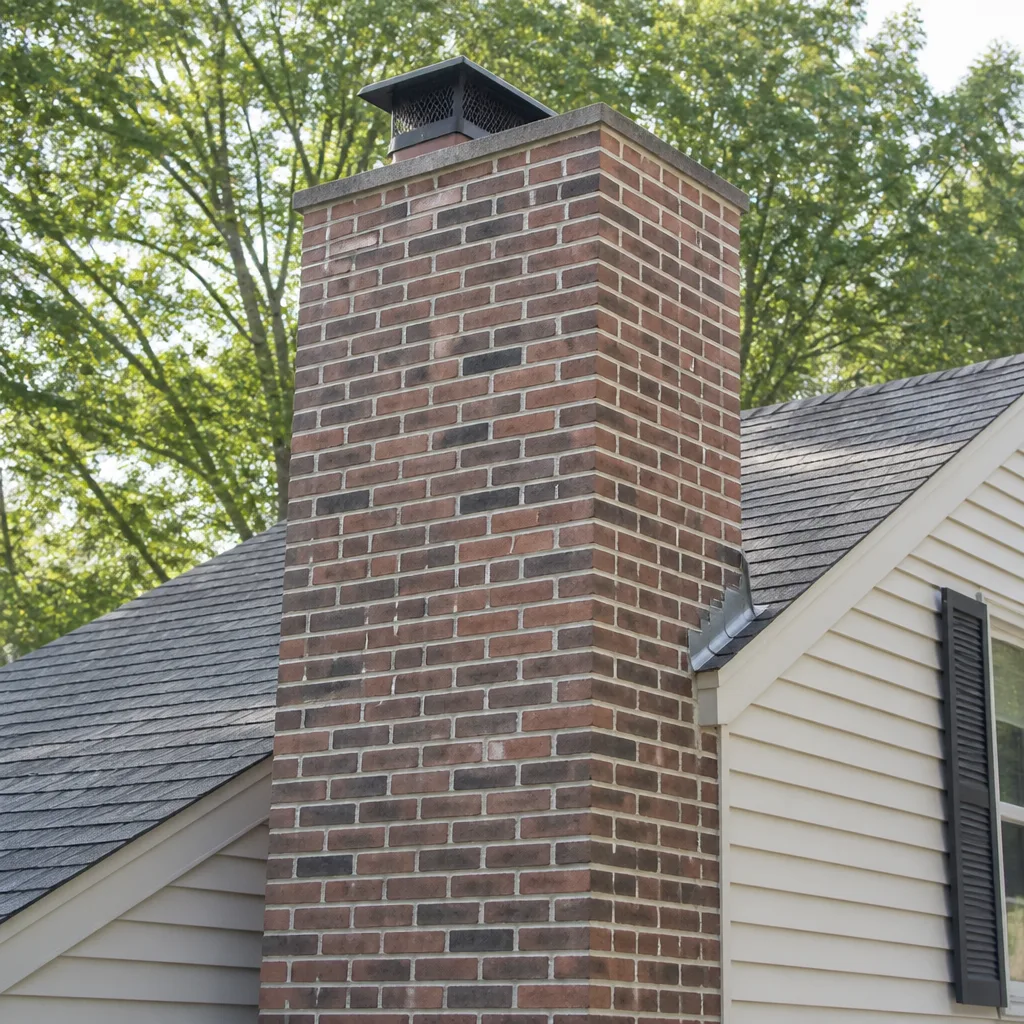
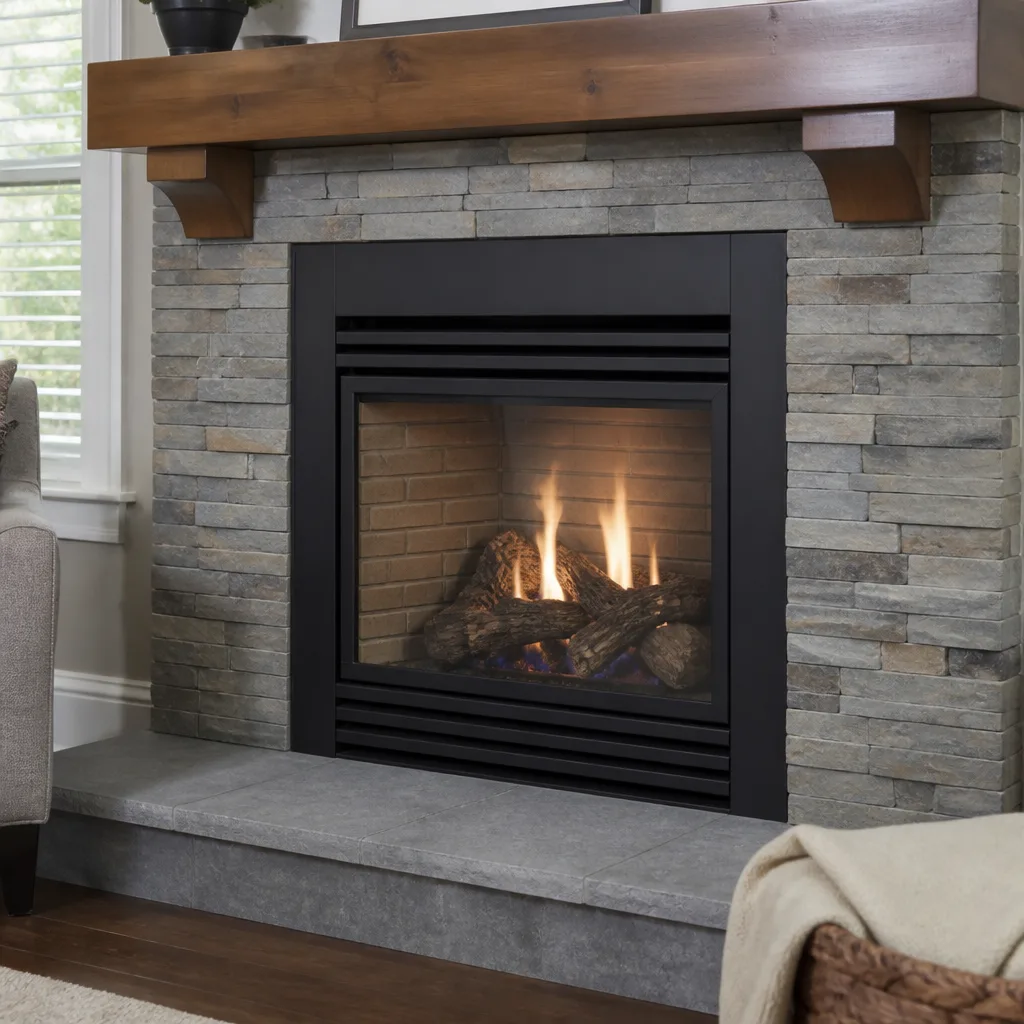
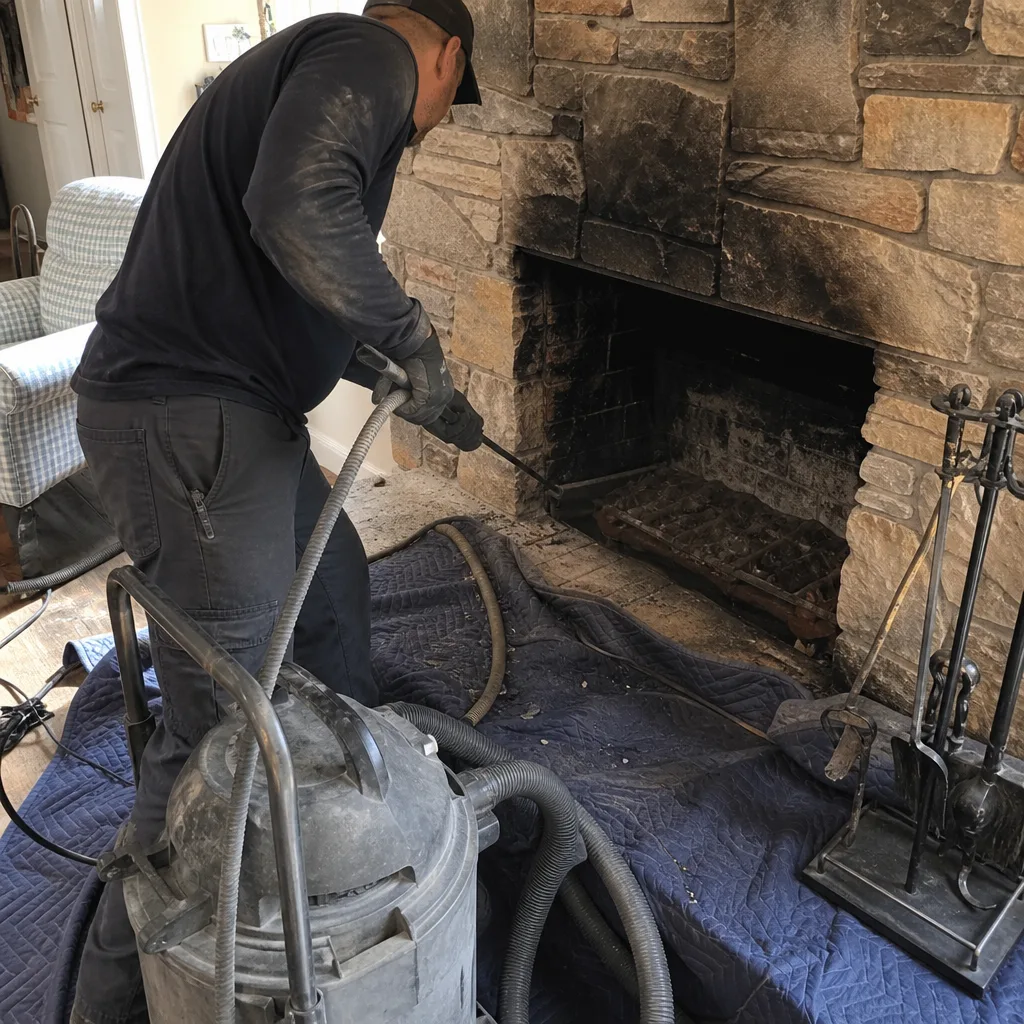 Before
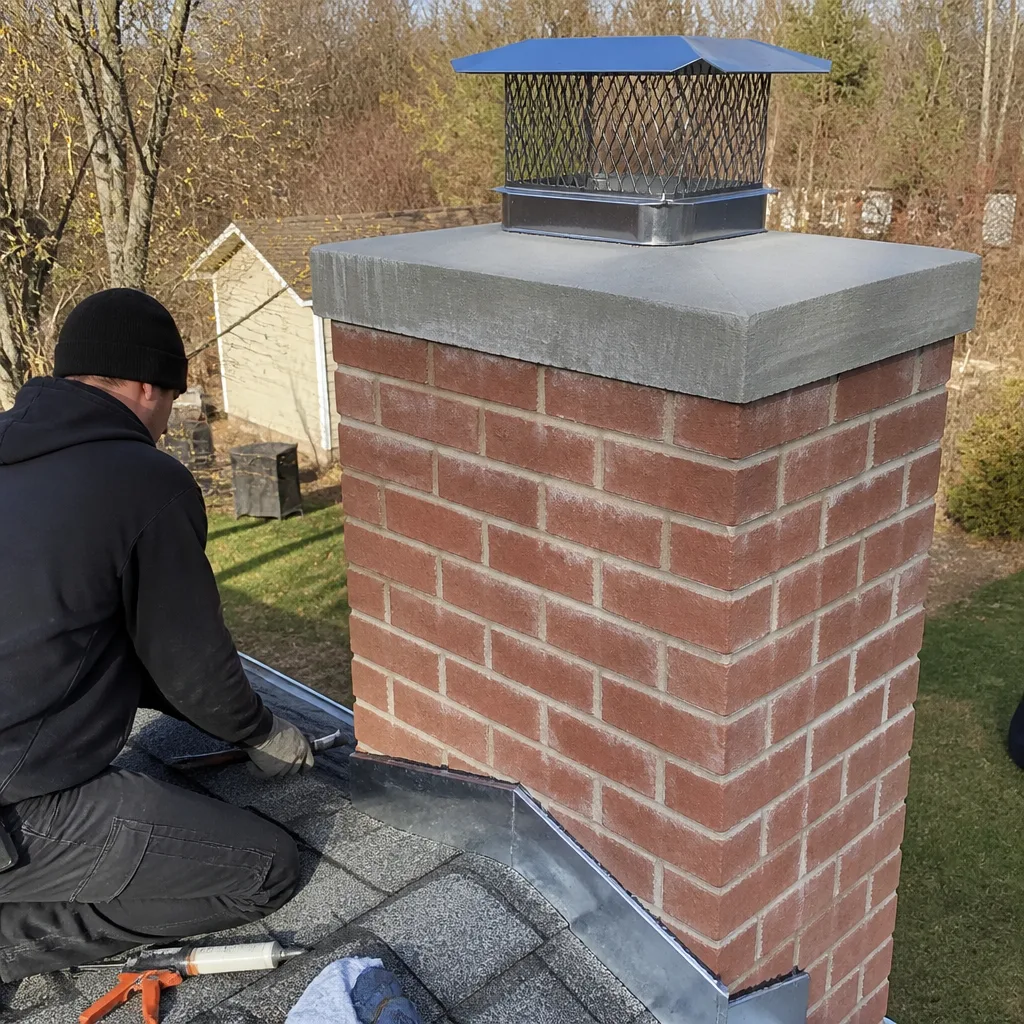 After
After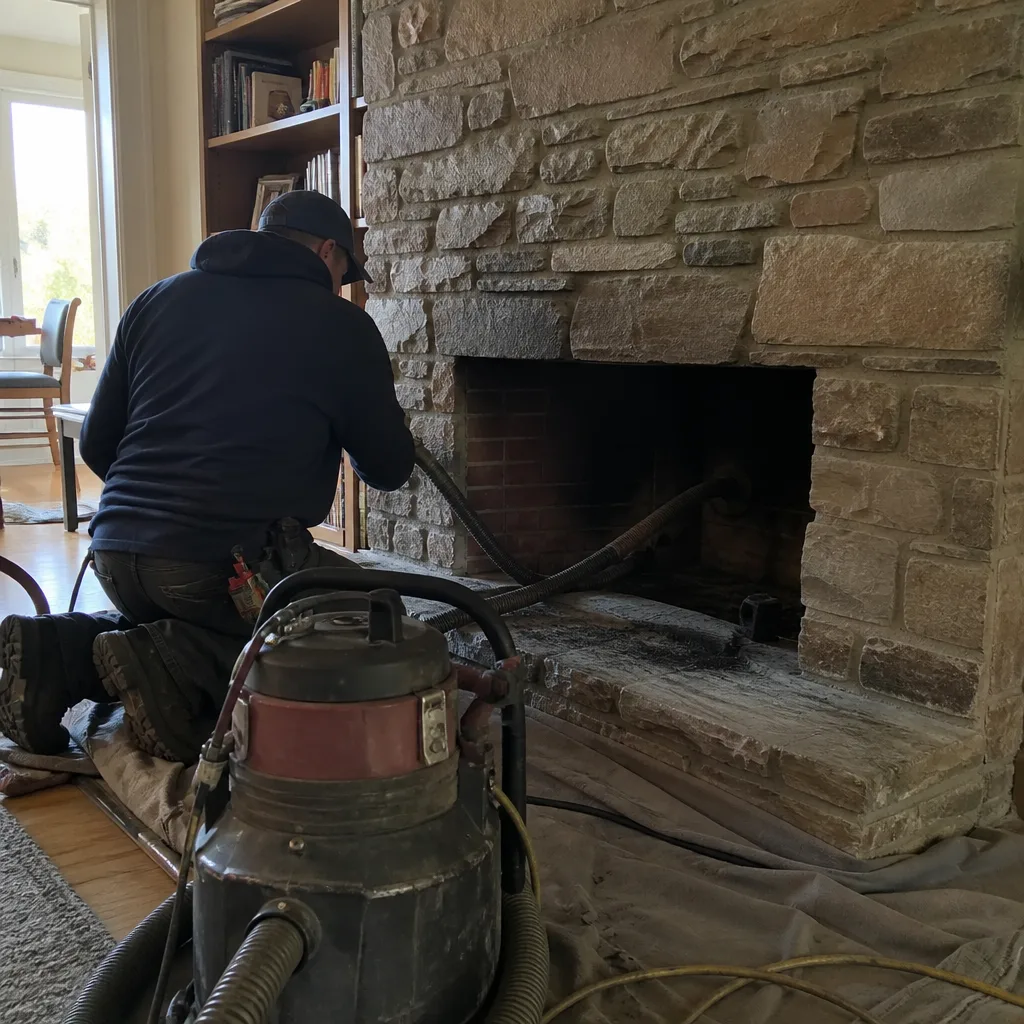 Before
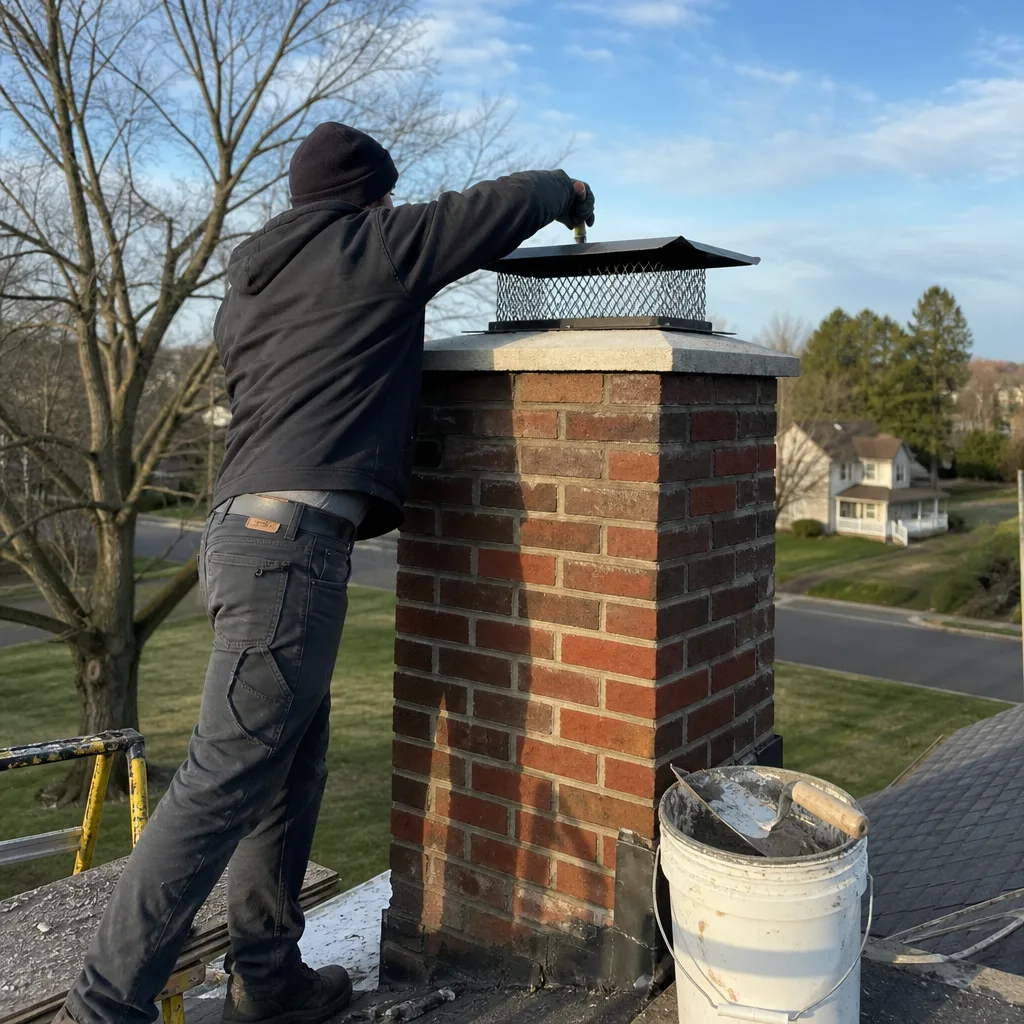 After
After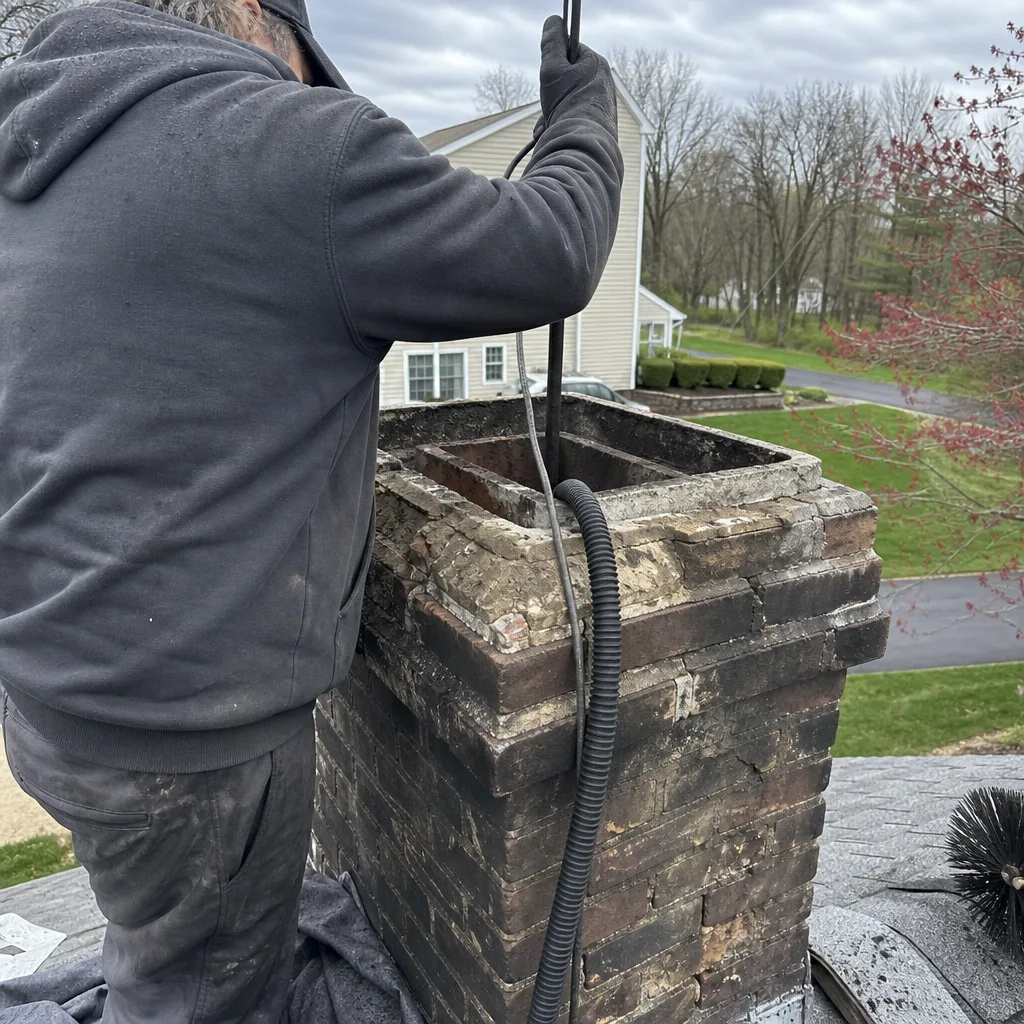 Before
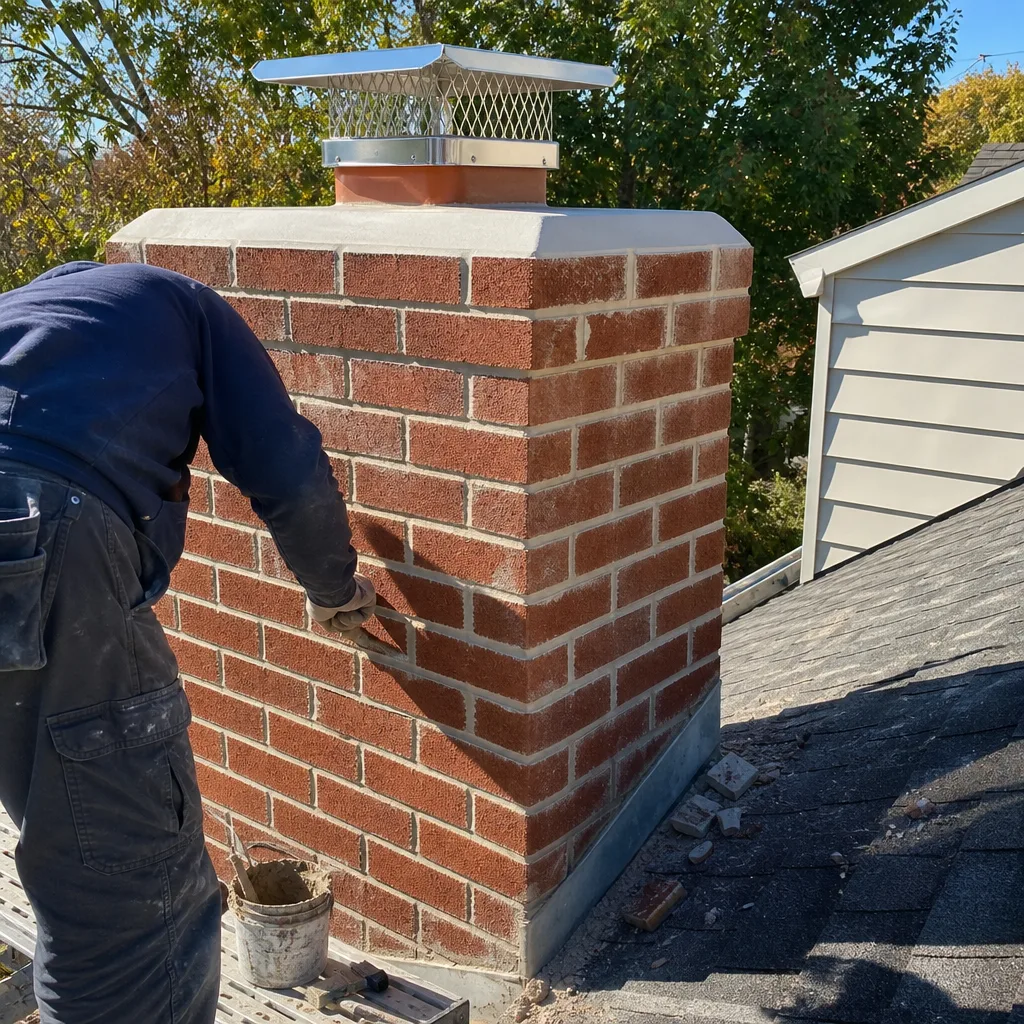 After
AfterChimney Cleaning Warning Signs: A Doylestown Homeowner’s Reference Guide
Here’s something that took me years to really believe: the warning signs homeowners lose sleep over are usually the ones that can wait, and the ones they never notice are the ones that cost real money. A white chalky stain on your chimney draws the eye like a headline. A hairline crack in a flue tile hides behind a damper and never announces itself until water is running down your firebox wall. This guide sorts the two out, and for The Complete Guide to Chimney Cleaning in Doylestown covers the full process. You’ll learn what actually matters, what doesn’t, and when to pick up the phone. It’s written for Doylestown homes, where our freeze-thaw winters and hundred-year-old chimneys make the rules a little different than they are in, say, Phoenix.
Quick Answer
The warning signs that matter most are a thin dark line running vertically down your firebox wall, smoke that curls back into the room instead of rising, and a smell like wet asphalt or a campfire that appears when the fireplace hasn’t been used in weeks. White stains on exterior brick, small cracks in the crown, and a little soot on the hearth are usually cosmetic or low-priority. The dangerous problems in Doylestown chimneys rarely announce themselves loudly – they show up as subtle stains, faint odors, and smoke behavior that’s slightly off. When in doubt, call an experienced sweep and ask for camera footage of whatever they find.
Table of Contents
- The Triage System: Call This Week, Mention It Later, or Ignore It
- What Your Chimney Smell Is Telling You
- White, Brown, and Black Stains on Exterior Masonry
- Three Smoke Behaviors That Mean Three Different Things
- Why a Spotless Firebox Can Be a Warning Sign
- Doylestown-Specific Concerns: Old Homes, Our Climate, and Local Codes
- What a Chimney Sweep Actually Finds in Doylestown Chimneys
- Common Mistakes to Avoid
The Triage System: Call This Week, Mention It Later, or Ignore It
Most chimney warning sign articles treat every symptom like an emergency. That’s not helpful. It’s also not honest. Here’s the triage we use when a Doylestown neighbor calls and describes what they’re seeing. We’ve refined this over 29 years of doing chimney cleaning and sweeping in Doylestown, and it holds up.
Call This Week
A dark vertical line down the firebox wall. This looks like a thin stain, maybe a foot long, maybe running from the damper down to the hearth. It’s often water seeping through a cracked flue tile. Left alone, it rusts the damper, rots the smoke shelf, and spreads into surrounding masonry. It does not fix itself and it does not slow down.
Smoke entering the room when the fire is lit. Not a little wisp when the fire first catches. We mean smoke that curls out once the fire is established. That points to a partial blockage, a flue that’s too cold to draw, or a drafting problem in the house itself. It also means combustion gases aren’t leaving the way they should.
A strong creosote smell that appears in humid weather or after rain. Wet creosote stinks, and the stink is a sign that creosote has built up enough to absorb moisture. That’s a chimney fire waiting for a hot fire.
Any smell of gas coming from the fireplace area. This is not a chimney problem to diagnose over the phone. Call your utility or a professional who can test for leaks.
Mention It at Your Next Annual Cleaning
White stains on the crown or upper bricks. This is efflorescence, which we’ll explain below. It’s usually slow-moving and can wait for your scheduled sweep, especially if we’re already on the calendar.
A small surface crack in the concrete crown. Quarter-inch wide, not expanding. It’s water entry, but a slow one. Seal it when convenient.
Soot marks on the chimney breast inside the house. Sometimes this is staining from an old chimney fire. Sometimes it’s a sign the flue has shifted. It’s worth a look, but usually not an emergency.
Birds or animals heard in the chimney. Unless an animal has fallen into the firebox, this can wait for a chimney cap installation before the next nesting season.
Ignore It
Small surface spalling on brick faces from a decades-old leak that’s already been repaired. Old scars don’t act up if the source is fixed.
Rust on the exterior rain cap or chase cover. That’s a cosmetic sign the cap is aging. It can be replaced at your convenience.
Dark staining on the exterior above the cap from years of smoke. Ugly, yes. Dangerous, no.
The point of this triage is to make decisions simple. When a Doylestown homeowner tells me they’ve been worrying about a white stain for six months, I can usually tell them it has been safe to wait. When they mention a thin dark streak that appeared last winter, we schedule a look that week. Knowing which is which saves money and prevents real damage.
What Your Chimney Smell Is Telling You
Smell is the most underrated diagnostic tool in chimney work. I’ve walked into living rooms and known what the problem was before I opened the damper. Each odor has its own personality, and each points to a different fix. Here’s what we encounter most in Doylestown homes.
Campfire or Asphalt Smell
Creosote smells like a campfire that’s been rained on. Sometimes it’s more like asphalt on a hot day. If this smell is strong when the fireplace hasn’t been used in weeks, you have significant creosote buildup absorbing humidity. The smell worsens in summer and after rain because humidity releases the volatile compounds in creosote. It’s unpleasant, but the real concern is that heavy creosote is fuel for a chimney fire. First-degree creosote is a brush job. Third-degree is a glaze – catch it early. The fix is a thorough sweep, and in cases of heavy glazing, mechanical removal or a product like HeatShield to address damaged flue surfaces. If you notice this smell, call a sweep. Don’t wait for burning season.
Moldy or Damp Basement Smell
This is water. Specifically, water sitting somewhere it shouldn’t – in the smoke shelf, behind a cracked tile, or in a porous brick wall. Musty smells from a chimney usually mean a compromised crown, missing chimney cap, or flashing leak. The smell is mold or mildew growing in deposited creosote and soot that got wet. It’s more common in Doylestown’s older homes where chimneys are unlined or have original terra cotta tiles that cracked decades ago. The fix isn’t air freshener. It’s finding the water entry point and stopping it, then cleaning the affected area. If the flue tiles are the problem, a stainless liner from a brand like DuraFlex or Olympia Chimney is often the right long-term answer.
Rotten Eggs or Ammonia
That’s an animal. Squirrels, raccoons, and birds all have distinctive droppings, and when they nest in an uncapped chimney, the smell eventually drifts down into the house. Ammonia is urine. Rotten eggs is decomposition. Sometimes a bird falls and dies on the smoke shelf. The smell fades after a few weeks, but the nest remains – a fire hazard sitting directly above your firebox. The fix is animal removal (sometimes by a pest control professional, sometimes with a good chimney cap and patience), a thorough sweep to remove nesting material, and installation of a proper chimney cap so it doesn’t happen again. Gelco and Famco make good caps. We’ve pulled entire squirrel nests from Doylestown flues, and the smell is something homeowners never forget.
Burning Dust Smell at First Fire of the Season
That’s normal. It’s dust burning off the damper and the heat exchange. It clears in fifteen minutes. If it doesn’t clear, or if it smells oily, that’s different. But the first-fire dust smell is not a warning sign. It’s just a chimney waking up.
White, Brown, and Black Stains on Exterior Masonry
Different stains mean different things. Here’s what the color tells you.
White Stains (Efflorescence)
White chalky residue on bricks is efflorescence. It’s mineral salts left behind when water moves through masonry and evaporates. It looks alarming because it spreads and brightens over time. But in most Doylestown chimneys, efflorescence is a slow-moving symptom, not an emergency. It tells you water is getting into the brick somewhere – usually through a cracked crown, failed mortar joints, or missing cap. The water dissolves minerals inside the brick, and when it evaporates on the surface, the minerals stay behind. The stain is the residue, not the damage itself. The fix is stopping the water, not scrubbing the stain. Repointing the chimney, repairing the crown, sealing the cap – those solve the problem. Efflorescence that’s been present for years without worsening can often wait for your next scheduled visit.
Brown Stains
Brown staining usually means rust. It appears as vertical streaks below a metal rain cap, chase cover, or the flashing. It can also come from a rusted damper assembly inside the chimney. If the brown stain is on the exterior and you can trace it to metal above it, it’s cosmetic. Replace the metal component when convenient. If the brown stain appears inside the house on the firebox wall, that’s a different matter – it’s often rust from water inside the flue, and that points back to a liner or crown issue.
Black Stains
Black staining on the exterior is typically soot. It tells you smoke is exiting the flue and staining the brick, often because the chimney is too short for proper draft or because the cap is missing. The wind blows smoke down onto the masonry. It’s not itself dangerous, but it can indicate draft problems worth understanding. You can read more about possible repairs on our chimney repair page for Doylestown.
One more note on stains: older Doylestown chimneys, especially on pre-1900 houses, often have a dark patina from a century of coal smoke and weather. That’s history, not damage. If it’s not changing, don’t worry about it.
Three Smoke Behaviors That Mean Three Different Things
How smoke behaves when you light a fire is a direct readout of chimney health. I’ve trained my eye over decades to read these patterns in seconds. Here’s what I watch for and what each signal means.
Smoke That Backs Up Into the Room After the Fire Is Established
Not during startup, but after ten or fifteen minutes when the fire should be drafting well. This is a partial blockage or a draft problem. Sometimes it’s creosote narrowing the flue. Sometimes it’s a bird’s nest from spring. Sometimes it’s that the chimney is too short to overcome the house pressure. In Doylestown, we also see this in houses with newer, well-sealed windows and doors – the house can’t get enough makeup air, and the chimney becomes the only intake. The room pulls smoke down. This pattern deserves a professional look. It won’t resolve itself, and burning with smoke entering the room means incomplete combustion gases staying in your living space.
Smoke That Rises, Then Wavers and Comes Back Down When the Fire Dies
This usually means the flue has cooled too much. It happens on long chimneys in cold weather when the fire burns down to embers, the hot air column collapses, and the smoke hovers at the top of the flue before sinking back. It can happen more often in older Doylestown homes with uninsulated exterior chimneys. The fix is often just keeping a smaller, hotter fire or adding a top-sealing damper that holds heat in. Not an emergency, but worth mentioning to your sweep.
Smoke That Pours Into the Room During Startup, Then Corrects Itself
This is a cold flue. The air inside the chimney is heavy and cold, and it falls down into the room at first light-up. Common in fall in Doylestown when temperatures drop fast. The old-timer’s trick is to light a rolled-up piece of newspaper and hold it up near the damper for thirty seconds to pre-warm the flue before lighting the fire. It works. This pattern is normal for many homes and not a sign of damage. But if you find yourself doing the newspaper trick every single time, even after the chimney warms up, that tells me the draft is marginal. Mention it at your next fireplace service visit in Doylestown and we’ll assess the chimney height and flue size.
Why a Spotless Firebox Can Be a Warning Sign
This one catches people off guard. A homeowner calls and says, “I burned fires every weekend all winter, but the firebox looks clean. I must be doing something right.” Not exactly.
A firebox that stays clean after heavy use usually means one of two things. Either the fires were burning very hot and very efficiently, which is fine. Or the house itself is providing so much draft that the fire roars up the chimney and burns everything off. That second scenario sounds good, but it can over-heat the flue, particularly if there’s creosote built up higher in the chimney that you can’t see. An over-drafting chimney pulls heat out of the house faster. It can also heat the surrounding masonry enough to ignite creosote you didn’t know was there.
There’s a simpler observation: a spotless firebox after a winter of burning often means the fires ran hot and fast. Those are the conditions that produce creosote deposition higher up in the flue, where temperatures drop and particles condense. The firebox looks fine. The top of the flue is glazed. The only way to know is to look.
When a Doylestown homeowner tells me their firebox looks clean, I typically say: good, but what does the flue look like? The camera footage and a plain-English verdict – every time, no exceptions. If you’ve burned hot fires all season, schedule a sweep before next season and ask for the camera view. It’s the only way to see what’s above the damper.
Doylestown-Specific Concerns: Old Homes, Our Climate, and Local Codes
Doylestown has one of the largest concentrations of pre-1900 houses in Bucks County. I’ve worked on chimneys that were built when the Civil War was still a memory. Old homes bring specific chimney behaviors. Newer construction does too. Here’s what I tell local homeowners about our particular conditions.
Freeze-thaw is our biggest annual adversary. Doylestown winters cycle through freeze and thaw repeatedly. Water enters through a small crown crack, freezes, expands, and the crack grows. Five winters later, the crown is split and the top courses of brick are loose. This cycle is accelerated because our winters are not consistently cold – we get those January days that hit forty-five degrees and melt everything, then drop to twenty at night. That’s ideal masonry-damage weather. The best defense is an annual crown and mortar inspection before December.
Historic chimneys often have no liner. Many Doylestown chimneys built before 1920 were built on the old code standard, which means brick interior flues with no clay tile or steel liner. Brick by itself isn’t an approved flue material for combustion. In these chimneys, we’re usually looking at Top Hat Chimney installations with stainless liners like DuraFlex to bring the chimney to safe, modern standards. It’s not a matter of opinion. Unlined brick flues leak heat and gases through mortar joints, and they’re one of the leading causes of chimney fires in our older borough stock.
Local code matters. Doylestown Borough has its own building and fire code enforcement. Work done on a chimney that serves a fireplace must meet current standards for clearance, liner condition, and cap height. If you’re selling a home, the inspector is going to look. I’ve seen property sales delayed because a chimney hadn’t been swept in years and the flue was structurally unsound. An annual sweep with documentation is good insurance for the day the inspector come to call. Buck’s County also requires that installed liners carry proper UL listings. The brands we work with – DuraFlex, Olympia Chimney, and Gelco – all meet the standards our local inspectors expect to see.
Bats in the chimney are a Doylestown thing. Our older neighborhoods have mature trees and a healthy bat population. Bats don’t build nests, but they roost. If you hear high-pitched chattering in summer at dusk, that’s the sound of bats using your chimney as a daytime roost. They leave at night. The droppings accumulate on the smoke shelf and can be a health concern. The fix is a chimney cap installed at the right time of year – bat removal has its own timing rules, and a good sweep knows them. We’ve done enough of these in Doylestown to tell you: no, the bats won’t hurt you, but their droppings can, and the cap stops the whole cycle.
What a Chimney Sweep Actually Finds in Doylestown Chimneys
After thousands of sweeps in this area, I can tell you what a typical Doylestown chimney looks like when we first open the damper. It’s not scary. It’s just consistent.
- Light to moderate creosote in the first six feet above the firebox. Almost every chimney that’s been used has this. It’s normal. The brush takes it off.
- A missing or undersized chimney cap. Maybe one in three homes. That’s how the squirrels got in.
- A cracked crown but not yet severe. Very common on chimneys built between 1950 and 1980. The concrete was mixed thin and has been exposed to fifty winters.
- Minor efflorescence on the upper courses. Present but not alarming. We note it and watch it.
- In relined chimneys, a liner that was installed properly but hasn’t been inspected since installation. Many homeowners assume a stainless liner means zero maintenance. It’s less maintenance, but the cap and crown still need eyes on them.
- In historic homes, original tile liners that are cracked or missing in sections. This is the one that matters. Once a tile cracks, the flue is no longer safe until relined.
The truth is that most chimneys don’t have dramatic failures. They have slow damage that becomes expensive when ignored. The sweeps we do in Doylestown usually find nothing that requires urgent same-day repair. For more guides & resources on keeping your chimney healthy year-round, visit our blog. They find things that should be scheduled before next winter. And occasionally, we find the dark streak, the glazed creosote, the cracked liner that’s been leaking water into the house for years, and the homeowner is glad they called when they did.
Common Mistakes to Avoid
- Brushing off a white stain as “just something old houses do.” Efflorescence may be slow, but it’s a symptom. Ignoring it means the crown keeps cracking underneath. In Doylestown’s freeze-thaw, that’s how five-year damage becomes five-thousand-dollar masonry repair.
- Using a “chimney cleaning log” instead of a sweep. Those logs burn away some creosote, but they don’t remove scale and they don’t inspect the flue. A clean-looking flue with a cracked tile is still dangerous. The log can’t tell you that, and trusting it is how fires happen.
- Waiting until November to schedule your seasonal sweep. Every sweep in Doylestown is booked solid from October through December. Book in August or September and you’ll get the date you want, not the date that’s left.
- Assuming a new liner means zero maintenance forever. Stainless liners from brands like DuraFlex last decades, but the crown, cap, and flashing around them still age. Inspect the whole assembly, not just the liner.
- Putting off a sweep because you “only burn a few fires a year.” Creosote buildup depends on burn temperature and wood moisture, not how many fires you build. A few smoldering fires can create more buildup than a dozen hot ones. Once a year, burn or no burn.
- Ignoring a smell because it only shows up in summer. Summer chimney smells are creosote absorbing humidity. If it stinks in July, it’s dirty in July. Don’t wait until Christmas to address it.
- Trusting a national chain that quotes one price and changes it at the door. This isn’t a mistake about your chimney, but it’s one about who you let into your house. Ask anyone on your street. In Doylestown, word gets around faster than the franchise trucks do.
When to Call a Professional
Pick up the phone if you see a dark vertical line in your firebox, if smoke enters your living room after the fire is established, if you smell creosote in summer, or if you hear animals that shouldn’t be there. These are the signs that indicate something is happening inside the chimney, and the only way to know is to look. Don’t wait for the next scheduled cleaning if these appear. The cost of a service call is small compared to the cost of a chimney fire or a water-damaged living room wall.
Top Hat Chimney offers free estimates in Doylestown – call (484) 600-2977 and we’ll get you on the schedule. Wendell and his crew will show up in a marked truck, give you a real arrival window, and show you exactly what we find. No mystery. No pressure. Just a straight answer and a fair price.
Frequently Asked Questions
A standard chimney sweep and inspection in Doylestown typically runs between $150 and $300 depending on the chimney’s condition, height, and how long it’s been since the last cleaning. At Top Hat Chimney, we quote a flat price before any work begins and the price you hear on the phone is the price on the invoice. Call (484) 600-2977 for a free estimate and we’ll give you the exact number for your chimney.
Not necessarily. We only recommend a new liner when we can show you camera footage of an existing liner that’s cracked, missing, or deteriorated to the point that combustion gases can escape into your walls. Many older homes in Doylestown do need relining, but we’ll tell you plainly when you can wait. If we recommend a liner, you’ll see the evidence yourself before you sign anything. We install liners from DuraFlex, HeatShield, Gelco, and Olympia Chimney, each chosen for the specific chimney condition.
Once a year, burn or no burn. Even if you only light a few fires in December, creosote and debris build up over time, and Doylestown’s humidity makes it stick. Annual sweeping is also when we catch the crown cracks and flashing leaks that our freeze-thaw winters cause. The best time to schedule in Doylestown is late summer or early fall, before the annual rush hits.
In the best case, nothing – if your fires burned hot and clean and your chimney is in good shape. But you won’t know that without looking. In the worst case, a thick layer of creosote ignites from a hot fire, and a chimney fire sends flames up the flue and embers onto your roof. Every year in Bucks County, homeowners who skipped a few years end up paying for liner replacements that would have been a simple $200 sweep. The risk isn’t a guaranteed fire. It’s that you don’t know what’s building up where you can’t see it. Call (484) 600-2977 and we’ll show you.
You can, but I’d advise against it. A professional sweep doesn’t just remove soot – we inspect the flue, check the damper, cap, and crown, and look for cracks you can’t see from the roof. And a chimney brush in untrained hands can damage a liner or leave creosote in places you missed. If you do clean your own, have a professional inspect it once a year anyway. That’s the part that catches the real problems.
The freeze-thaw crown crack. Our winters cycle between freezing nights and warm days more than people realize, and older concrete crowns develop hairline cracks that widen every season. Once water enters through the crown, it damages brick, mortar, and anything inside the flue. The fix is a proper crown repair or replacement with the right material for our climate. If you haven’t had your crown checked in a few years, mention it when you call – it’s the first thing we look at on older Doylestown chimneys.
The Bottom Line
Most chimney warning signs in Doylestown homes are not emergencies. The white stains, the little cracks, the first-fire dust smell – these are slow, patient problems that can be handled at your next annual cleaning. But the subtle signs – a dark line down the firebox, a creosote smell in August, smoke that lingers in the room – deserve a phone call now. The trick is knowing which is which, and that’s what this guide is for. Once a year, burn or no burn. When something looks or smells wrong, ask a sweep you can verify. In Doylestown, that’s a neighbor, not a franchise. Call (484) 600-2977 and we’ll come take a look. The camera footage and a plain-English verdict – every time, no exceptions.
Written by Wendell Pike, Owner at Top Hat Chimney, serving Doylestown since 1999.