
Last updated September 10, 2026
Level 1 sweep and inspection to the NFPA 211 annual standard - flue, crown, cap, and flashing checked and photographed
Chimney sweep logs do not sweep chimneys. They loosen some creosote - which then falls where a brush and vacuum still have to collect it.
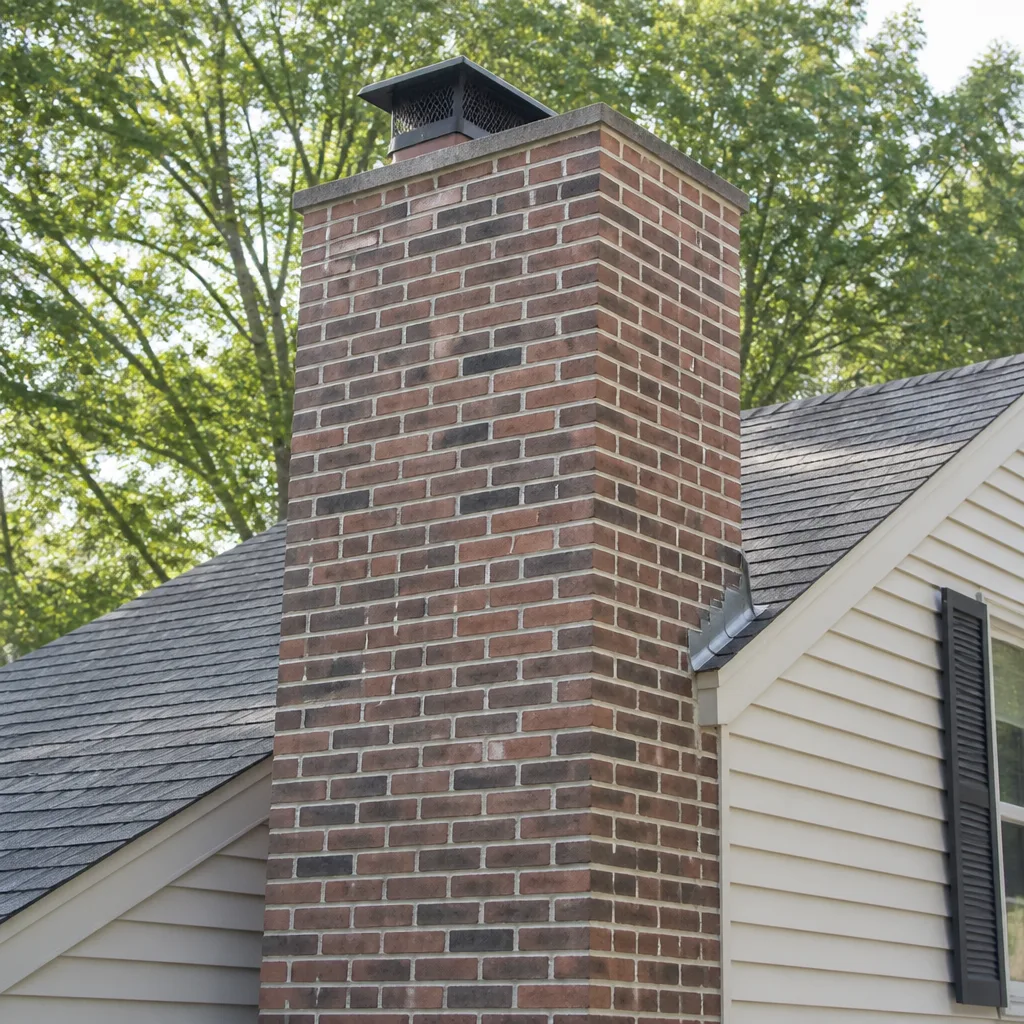
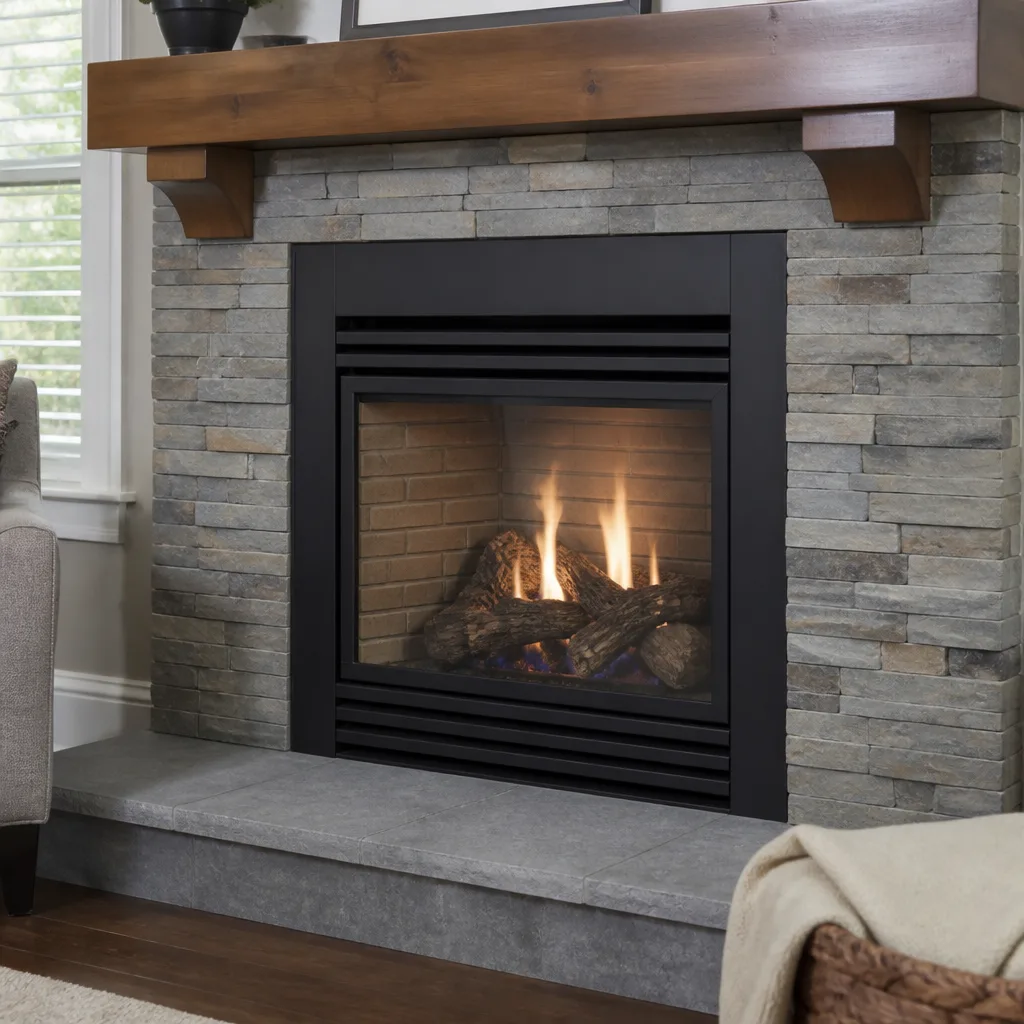
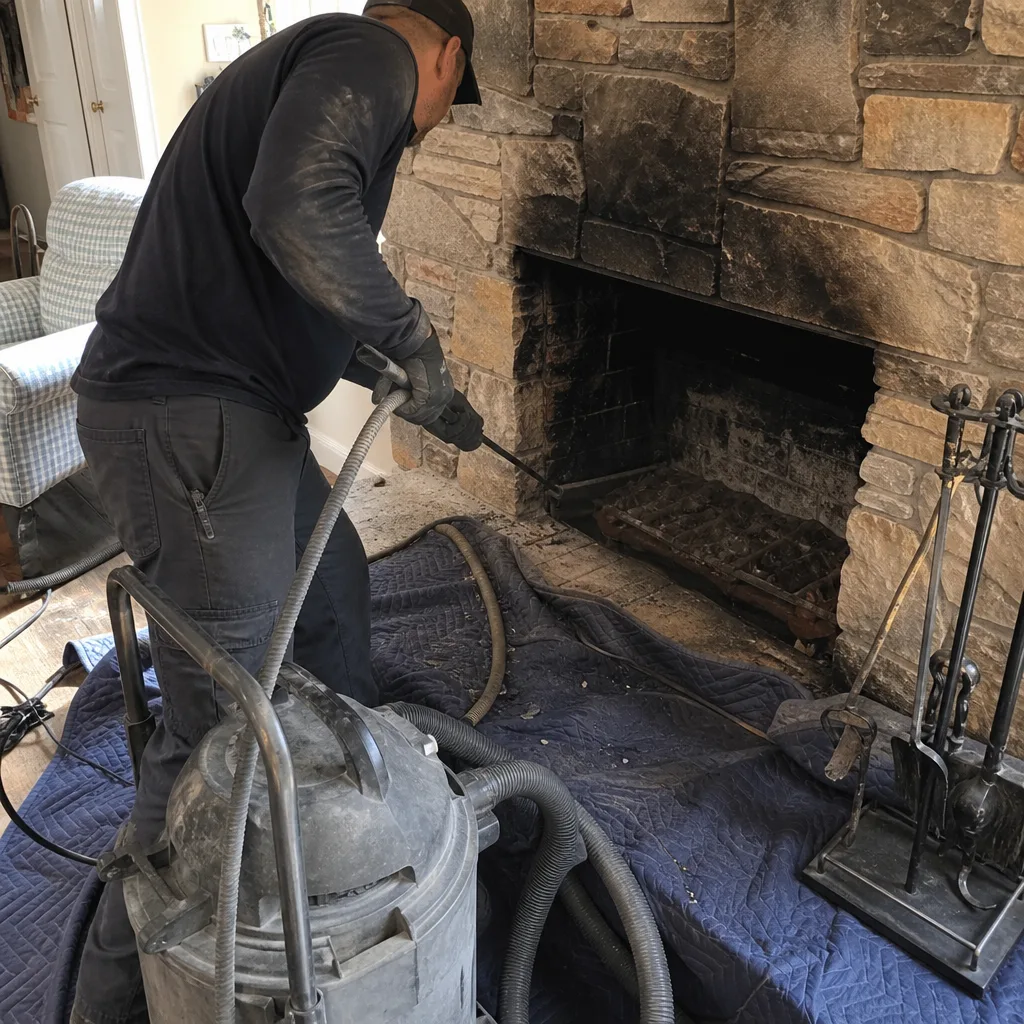 Before
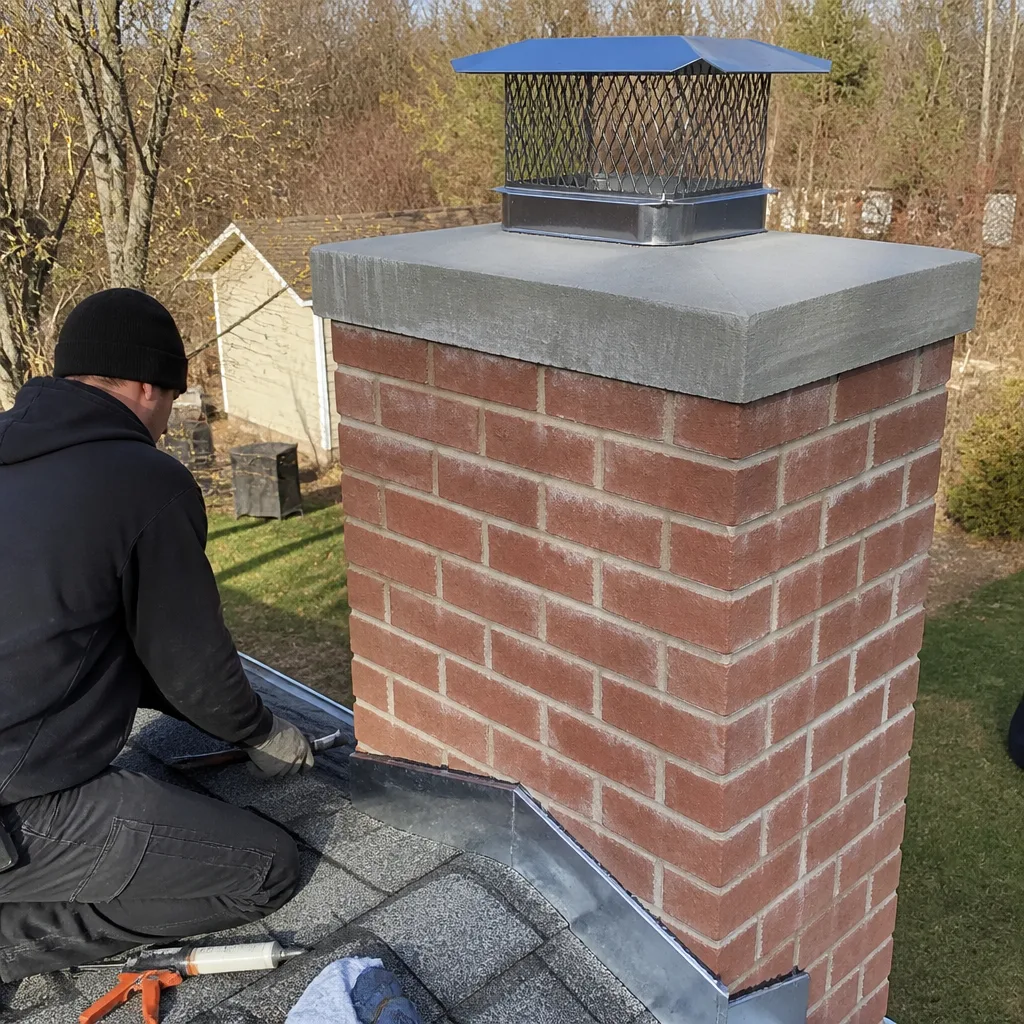 After
After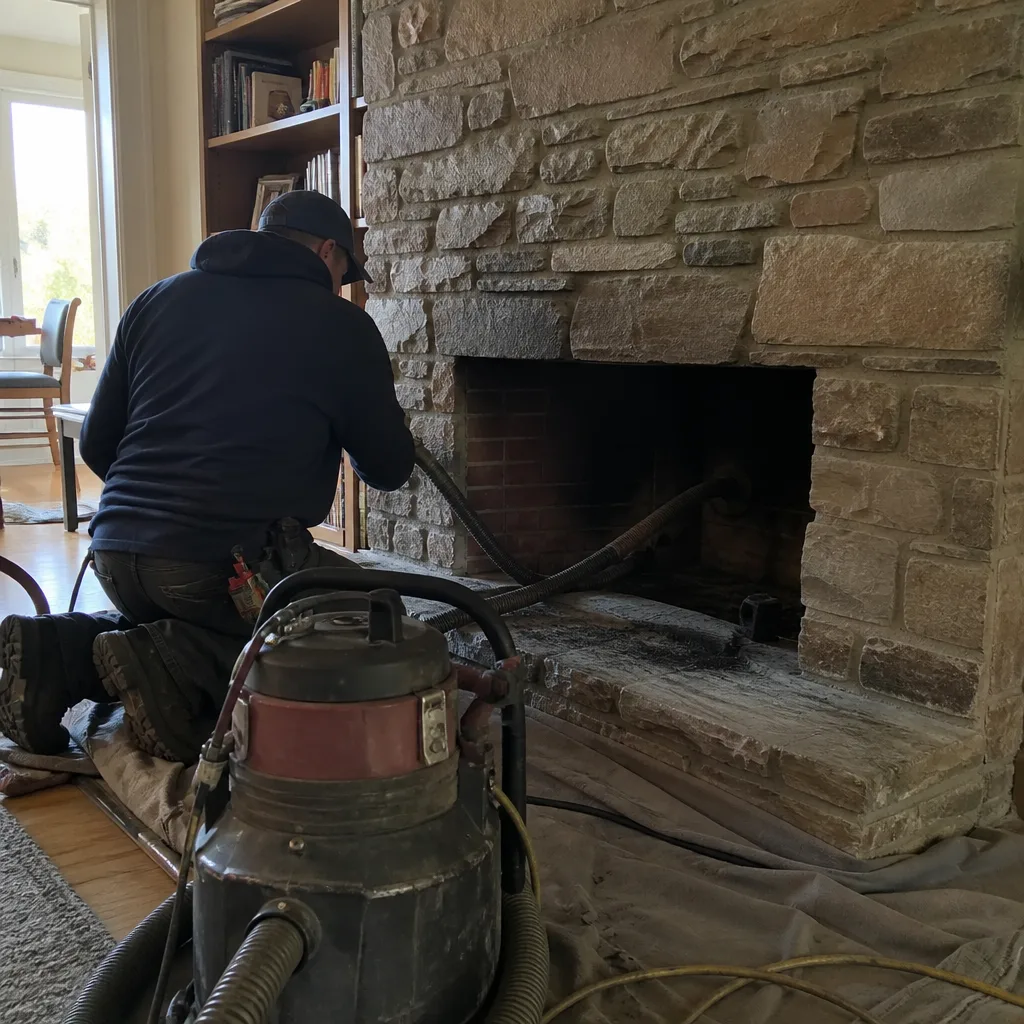 Before
 After
After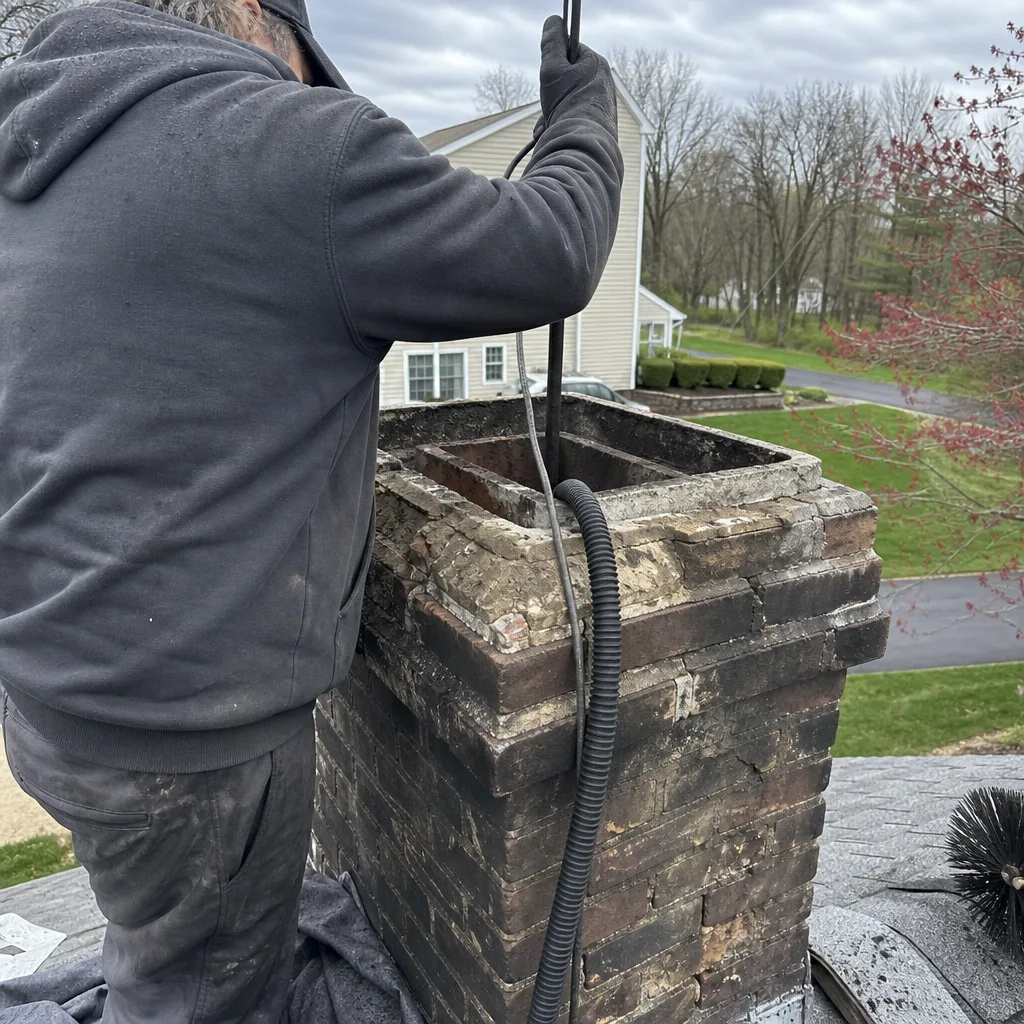 Before
 After
AfterThe Complete Guide to Chimney Cleaning in Doylestown
The national average for a chimney “cleaning” is 45 minutes. A thorough one, the kind that actually protects your house from fire and carbon monoxide, takes closer to 90. That gap is where most of the problems hide, and it’s a gap plenty of Doylestown homeowners have paid for without knowing it. This guide walks through what actually happens during a proper chimney cleaning visit, what gets skipped when it’s done cheap, and how to tell the difference after the truck pulls away.
Quick Answer
Chimney cleaning in Doylestown typically costs between $189 and $349 depending on creosote buildup, roof access, and whether the chimney has been neglected for several seasons. A proper cleaning takes 60 to 90 minutes, includes a Level 1 inspection of the flue interior, smoke chamber, damper, and chimney cap, and should leave you with a written report describing exactly what was found. Annual cleaning is the right interval for most wood-burning fireplaces in Bucks County, even if you only burn occasionally; our Seasonal Chimney Cleaning Care for Doylestown: Year-Round Homeowner’s Guide explains why timing matters.
Table of Contents
- What Actually Happens During a Chimney Cleaning
- The Three Stages of Creosote and Why Stage Changes the Price
- What a Level 1 Inspection Actually Checks
- Why Doylestown’s Housing Stock Creates Two Very Different Chimney Problems
- What “Cleaned” Legally Means on a Receipt vs. What You Should Demand It Means in Practice
- How to Read a Sweep’s Report Card
- Common Mistakes to Avoid
- When to Call a Professional
- Frequently Asked Questions
- The Bottom Line
What Actually Happens During a Chimney Cleaning
Here’s the honest sequence of a proper chimney cleaning in Doylestown, step by step. If the crew you hired skips more than one of these, you paid for a surface job.
- Interior protection goes down first. Drop cloths cover the hearth and the floor in front of the fireplace. The fireplace opening gets sealed with a high-density cover, and a HEPA vacuum runs the entire time. If a sweep shows up and starts brushing without covering the room, that’s a red flag.
- The flue gets inspected before the brush touches it. The sweep looks down from the roof and up from the firebox with a flashlight, checking for obstructions, animal nests, cracked tiles, or a damper that’s frozen open or shut. Brushing a flue with a dead raccoon in it just makes a bigger mess.
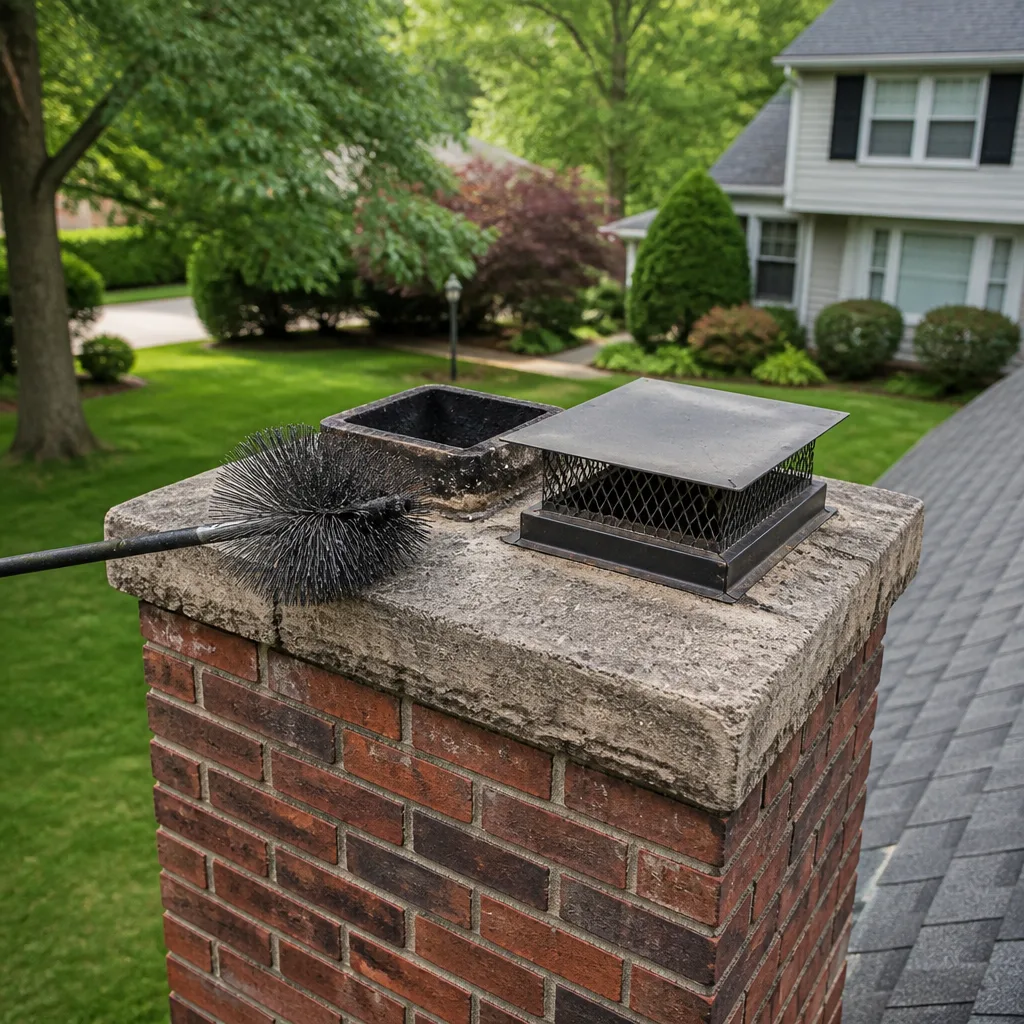
- The brush work happens from the top down, not the bottom up. A properly sized wire or poly brush gets pulled through the flue with rods or a whip system. This is the actual creosote removal. It takes 20 to 40 minutes depending on buildup.
- The smoke chamber and smoke shelf get scrubbed by hand. This is the part most discount sweeps skip entirely. The smoke chamber is the angled area above the damper where smoke slows down and creosote collects. It’s awkward to reach, requires a mirror and manual scraping, and it’s where a lot of chimney fires start.
- The damper and firebox get cleaned and checked. The damper gets opened, cleaned, and tested to make sure it actually seals when closed. The firebox gets vacuumed out and the brick checked for spalling or cracks.
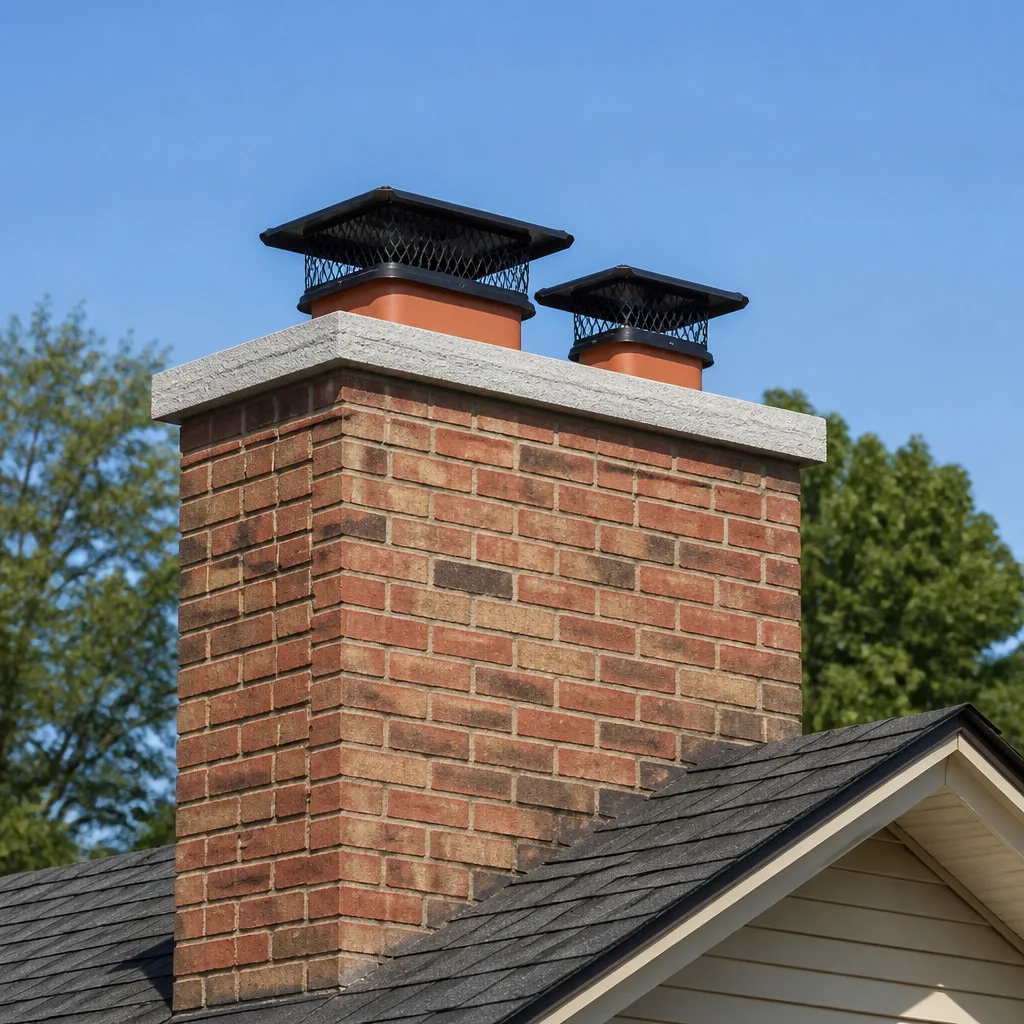
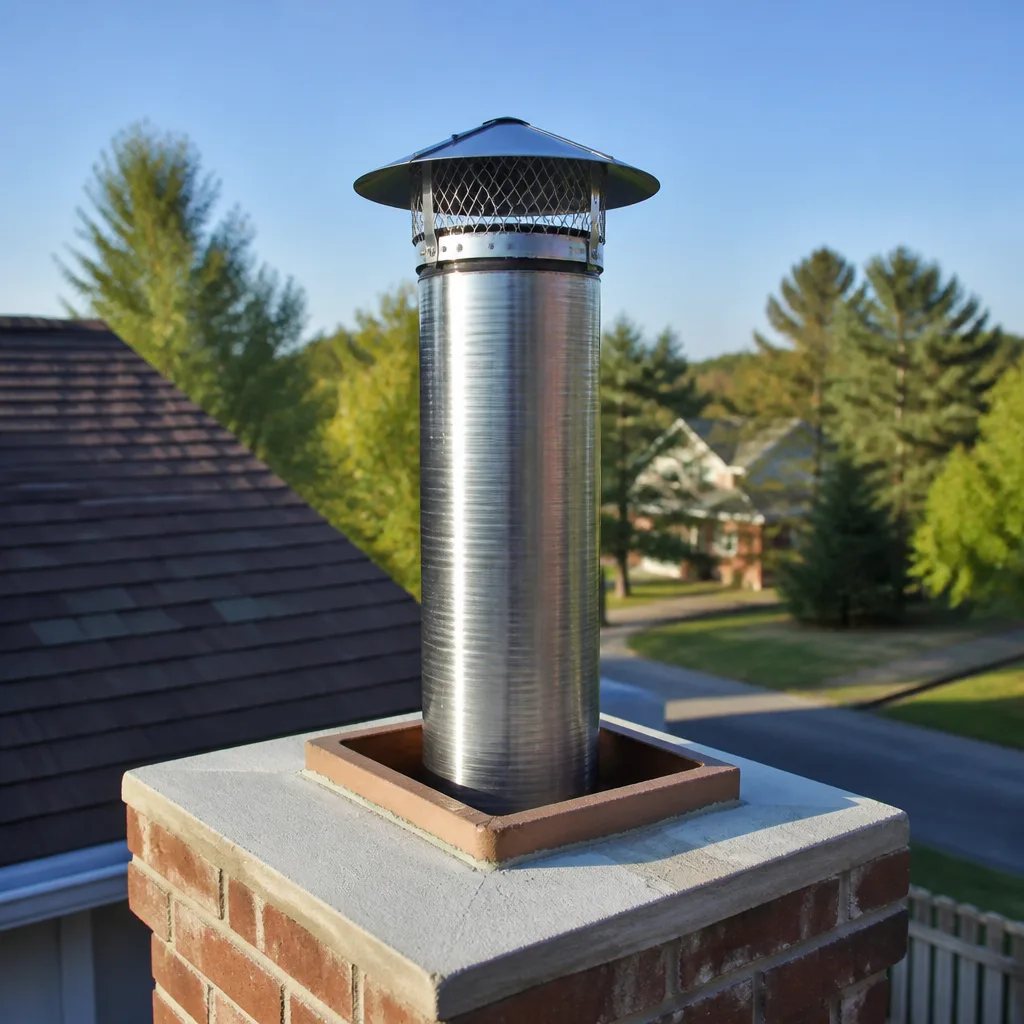
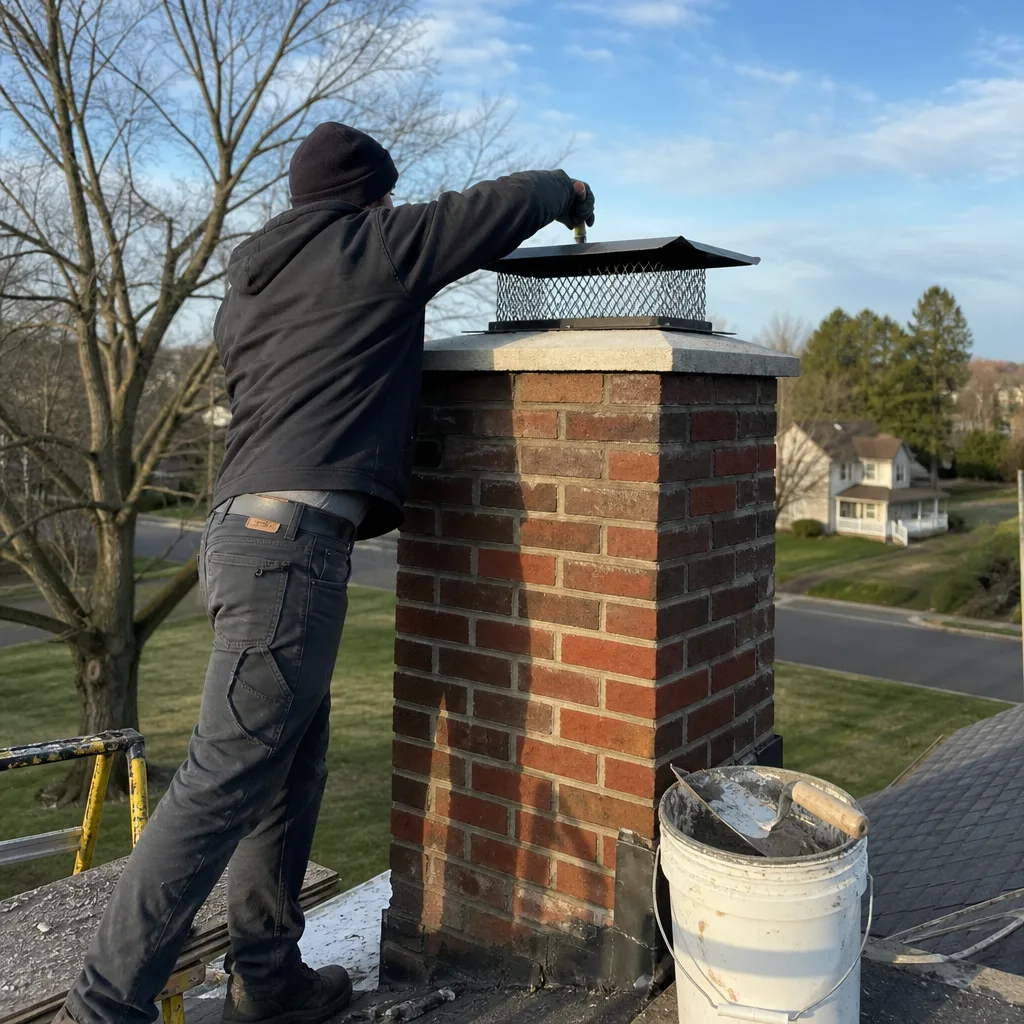
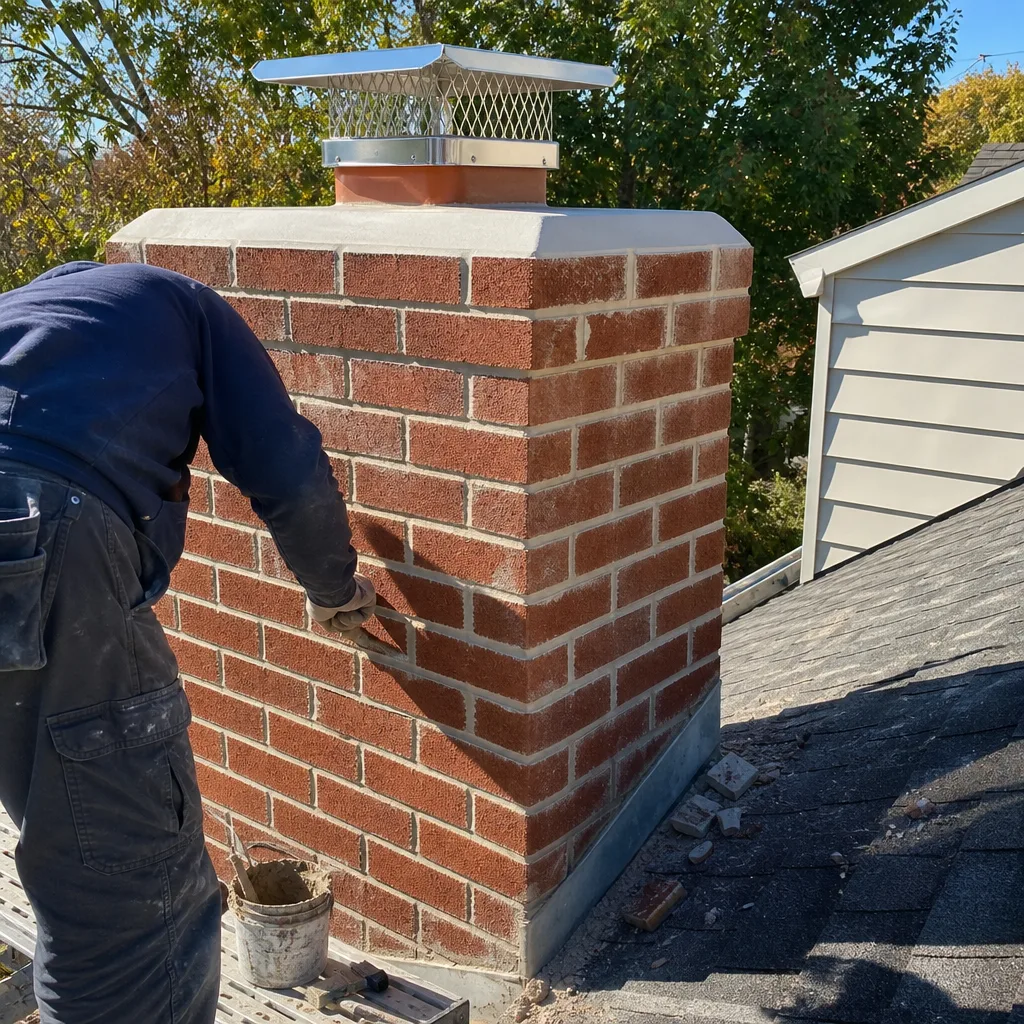
- The cap and crown get inspected from the roof. The sweep checks that the chimney cap is intact, the crown isn’t cracked, and the flashing at the roofline hasn’t pulled away. Missing cap? That’s an open invitation for rain, birds, and squirrels.
- You get a written report and a conversation about what was found. Not a generic receipt. A real report that describes creosote stage, any defects spotted, and whether anything needs attention now or can wait.
Total time for all this in a typical Doylestown home: 60 to 90 minutes. If someone is done in 30, they skipped something. And the something they skipped is usually the part that matters.
The Three Stages of Creosote and Why Stage Changes the Price
Your flue doesn’t care how the fire looks. It cares how it breathes. Creosote is what happens when wood smoke cools too quickly and condenses on the flue walls. It’s flammable, it’s corrosive, and it comes in three distinct stages. Which stage you have determines what a cleaning should cost.
Stage 1: Flaky Soot
This is what accumulates from a single season of burning seasoned hardwood. It’s a fine, dusty, dark coating that brushes off fairly easily with a standard wire or poly brush. Stage 1 creosote responds to a routine cleaning and is exactly what annual sweep maintenance catches. Most fireplaces in Doylestown that get swept every year stay in Stage 1.
Stage 2: Crusty Flakes
Stage 2 creosote has hardened into a crystalline, crunchy layer. It happens when fires burn cool, when green or damp wood gets used, or when the chimney has gone 2 to 3 seasons without a proper cleaning. Standard brushes struggle with Stage 2. It usually requires rotary cleaning with chains or a specialized whip head. This takes longer and costs more, often $40 to $80 above a standard cleaning price.
Stage 3: Glazed Tar
First-degree creosote is a brush job. Third-degree is a glaze, catch it early. Stage 3 creosote is a hardened, shiny, tar-like coating that’s actively corrosive and highly flammable. It forms when creosote is repeatedly heated and re-condensed, often in chimneys used heavily with less-than-perfect wood, or in flues that have seen years of neglect. Stage 3 glazing usually does not brush off. It requires chemical treatment, sometimes multiple applications of a product like Gelco creosote remover, followed by rotary cleaning. In the worst cases, the liner itself has been damaged and needs replacement. Stage 3 cleaning can run $300 to $600 or more, and some sweeps decline to clean a Stage 3 chimney until a liner evaluation is done.
Here’s the point: the stage of your creosote is not a mystery. A competent sweep can see it in the first five minutes. If you’re quoted a price before anyone has looked at the flue, you’re getting a guess, not a quote. Ask what stage your creosote is, and whether the price changes if it’s worse than expected.
What a Level 1 Inspection Actually Checks
The Chimney Safety Institute of America defines three levels of chimney inspection. Most cleanings include a Level 1. Here’s what that means in practice, not in trade-association language.
A Level 1 inspection happens when the chimney is being used as it has always been used, with no changes to the appliance, fuel, or usage pattern. It covers the readily accessible areas of the chimney: the flue interior, the smoke chamber, the damper, the firebox, the cap, the crown, and any visible exterior masonry.
Here’s what a real Level 1 inspection includes, and what gets skipped on a discount sweep visit:
- Flue interior examination from both ends with a flashlight, checking for creosote stage, cracked tiles, gaps, or loose masonry. A discount sweep often brushes without ever looking down the flue with light.
- Smoke chamber and smoke shelf visual check using a mirror from the firebox. Frequently skipped because it requires the sweep to get their head inside the fireplace with a light and a mirror. It’s uncomfortable, and it’s where damage hides.
- Damper operation test. A proper sweep opens and closes the damper, checks the condition of the plate and frame, and verifies it seals when closed. A damper that doesn’t seal is a heat loss and a carbon monoxide hazard.
- Cap and spark arrestor inspection from the roof. The sweep physically goes on the roof. If they never leave the firebox, they cannot see the cap, the crown, or the flashing.
- Crown and flashing check. Cracks in the concrete crown let water into the chimney structure. Loose flashing lets water into the attic and walls. Both are roof-level observations.
- Exterior masonry note. Spalling brick, efflorescence, or a leaning stack gets noted in the report, even if it’s outside the scope of the cleaning.
The Level 1 inspection is included in a standard cleaning price at Top Hat Chimney, as it should be. If someone offers you a “cleaning” without an inspection, what you’re really getting is a brush on a rope and no responsibility for what’s actually wrong with your chimney.
Why Doylestown’s Housing Stock Creates Two Very Different Chimney Problems
Doylestown is not one kind of housing market. Drive down State Street and you’ll see stone colonials built before 1930. Drive into the developments off Swamp Road and Burnt House Hill Road, and you’ll find 1980s and 1990s tract homes with prefabricated fireplaces and factory-built chimneys. These two types of houses have almost nothing in common when it comes to chimney problems.
The older stone colonials in Doylestown Borough typically have true masonry chimneys: clay tile liners, fieldstone or brick exteriors, and decades of heat cycling behind them. The issues we routinely see in these homes are cracked terra cotta flue tiles, deteriorated mortar joints in the smoke chamber, missing or rusted dampers, and water intrusion through aging crowns. These chimneys were often built without a cap, and without one, Bucks County rain and freeze-thaw cycles do steady damage. A cracked tile in a 1928 Doylestown colonial is not a cosmetic issue. It’s a pathway for heat to reach the wood framing around the chimney chase.
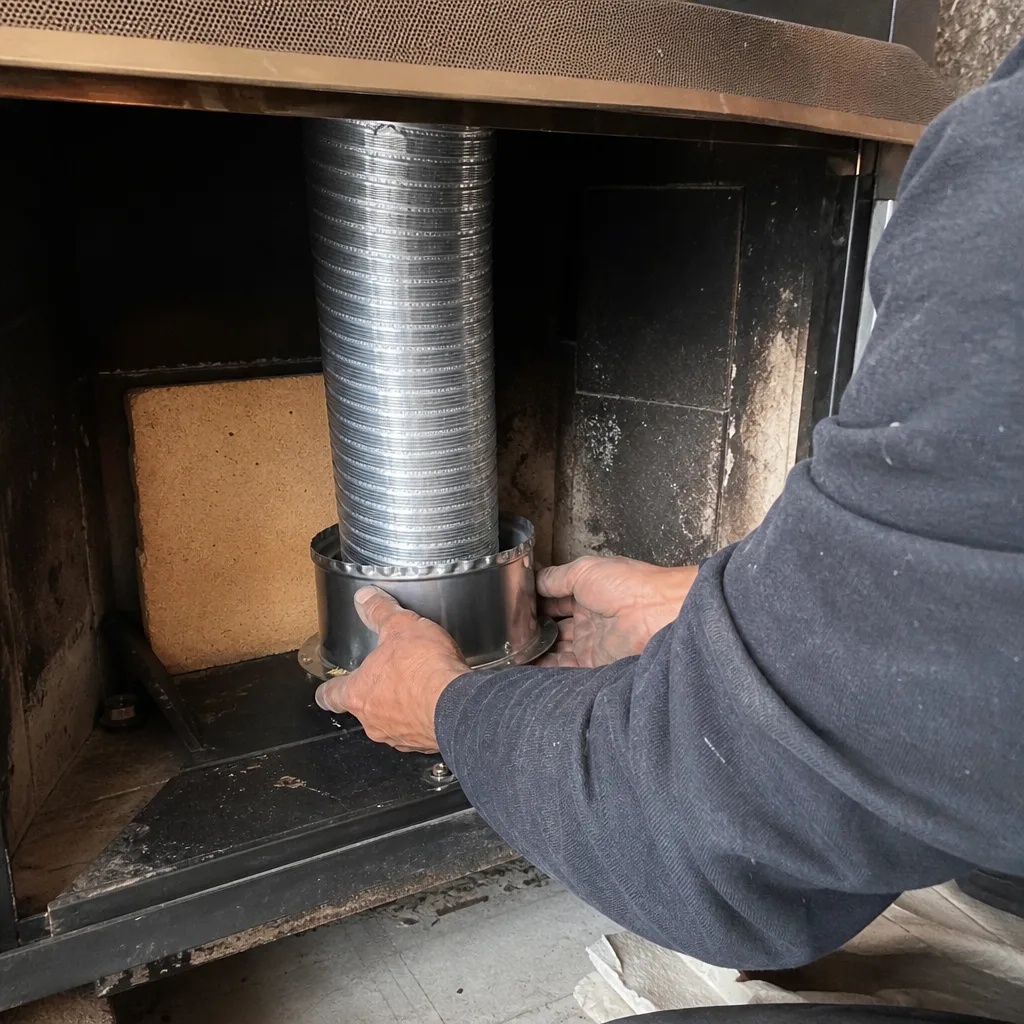
The 1980s tract homes present the opposite set of problems. Most of those houses were built with zero-clearance fireplaces and air-cooled metal chimneys. These systems were never designed to last fifty years. The metal flue liners corrode from acidic creosote contact, the refractory panels inside the firebox crack, and the chimney pipe sections can separate at the joints. A lot of homeowners in these houses don’t realize their “brick chimney” is actually a wood-framed chase with a metal pipe inside and a thin brick veneer on the outside. When the pipe fails, the fix is a liner replacement, not a brush job.
Neither type is better or worse. They’re different systems with different maintenance needs. The important thing is knowing which one you have, because the wrong assumption is how people end up with a “clean bill of health” on a chimney that needs real repair work. A competent sweep identifies the system type before touching it.
What “Cleaned” Legally Means on a Receipt vs. What You Should Demand It Means in Practice
Here’s something most Doylestown homeowners never think about: there is no legal definition of “cleaned” when it comes to chimneys in Pennsylvania. No licensing board defines it. No state standard sets the minimum steps. That means the word “cleaned” on a receipt can mean whatever the company that wrote it wants it to mean.
In practice, the cheapest operations use this ambiguity. A $99 chimney “cleaning” often means a brush was pulled through the flue a couple of times, the smoke chamber was never touched, the damper was never checked, and no one went on the roof. The receipt says “chimney cleaned.” The homeowner has no idea that the most dangerous part of the chimney still holds three seasons of glazed creosote.
What you should demand is that “cleaned” means all of the following, in writing:
- The flue was brushed from the top down with a properly sized brush until creosote was no longer visibly shedding.
- The smoke chamber and smoke shelf were manually scraped and vacuumed.
- The damper was cleaned, opened, tested, and confirmed to seal.
- The firebox was vacuumed and the brick visually inspected.
- The cap, crown, and flashing were inspected from the roof.
- You received a written report that describes the creosote stage found, the work performed, and any recommendations.
If the receipt doesn’t list these items, ask whether they were done. If the answer is vague, you have your answer. In our experience, the sweeps who do the full job are never shy about describing it. The ones who skipped steps are the ones who get defensive when you ask.
How to Read a Sweep’s Report Card
The paperwork a real job leaves behind is the difference between a professional and a brush-for-hire. A complete chimney cleaning report should look like a doctor’s chart, not a receipt. Here’s what to look for when you read it.
Creosote stage. The report should tell you what stage of creosote was found, before and after. If the report doesn’t mention creosote stage at all, the sweep wasn’t looking.
Flue condition. Notes about cracked tiles, gaps, or deterioration should be specific: location, severity, and whether it’s an active problem or something to watch.
Smoke chamber condition. A note about parging, missing mortar, or creosote accumulation in the smoke chamber tells you this part of the chimney was actually examined.
Damper condition. Does it open? Does it close tightly? Is the handle or cable intact? A real report answers all three.
Cap, crown, and flashing notes. These are roof-level observations. If they’re missing from the report, the sweep likely never went on the roof.
Photo evidence. The camera footage and a plain-English verdict, every time, no exceptions. A decent operation includes photos of any problem areas. Some use a chimney scan camera for difficult-to-see areas. If there’s a recommendation for repair work, ask to see the photos. A legitimate sweep will have them. A scare-seller will not.
Recommendations with urgency levels. A good report separates “needs immediate attention” from “budget for this in the next 12 to 24 months.” If everything is urgent, you’re being sold. If nothing is noted at all, you were serviced by someone who wasn’t inspecting. Either way, the report is your record for insurance purposes and future maintenance decisions.
Common Mistakes to Avoid
- Trusting a phone quote without a visual inspection. Creosote stage, roof accessibility, and system type all change the scope. A legitimate Doylestown sweep quotes a range and confirms it in person before work begins. A fixed quote sight unseen means the company is either guessing or planning to upsell at the door.
- Waiting for a problem to show up before cleaning. Once a year, burn or no burn. Chimneys break in the off-season too. Animals nest in them, condensation does its work, and small cracks become big ones. Annual maintenance is the cheapest insurance your chimney will ever have.
- Burning green or damp wood. This is the number one cause of accelerated creosote buildup in Bucks County. Wood should be split and stacked for at least six to twelve months before burning. Burning wood from a freshly cut tree is a direct path to Stage 2 and Stage 3 creosote.
- Assuming a cap is optional. A missing or damaged chimney cap in Doylestown means rain, snow, birds, squirrels, and raccoons have free access to your flue. A rusted-out cap is a $200 fix. The animal removal and flue repair that follow are considerably more.
- Hiring without reading the report. If you got a receipt that says “cleaned” and nothing else, you didn’t get an inspection. Ask for the actual report. If they can’t produce one, don’t hire them back.
- Doing it yourself with a hardware store brush kit. Brushing a flue from the bottom with a cheap kit doesn’t clean the smoke chamber, doesn’t inspect anything, and puts you on a ladder in a position that professionals approach with fall protection equipment. The $50 you save isn’t worth the risk.
When to Call a Professional
Call a chimney sweep if it’s been more than a year since the last cleaning, if you smell smoke inside the house when the fireplace isn’t in use, if you see a black crusty buildup when you look up the flue with a flashlight, if there’s water staining on the ceiling near the chimney, or if you hear animals in the chimney. Also call if you’ve bought a home in Doylestown and have no service records for the fireplace. A chimney that “looks fine” hasn’t been inspected. There is no substitute for putting eyes and a camera on the flue interior, and the specific tools for creosote removal are not available at the hardware store; explore more guides & resources on keeping your chimney safe. Top Hat Chimney offers free estimates in Doylestown, call (484) 600-2977.
Frequently Asked Questions
Standard chimney cleaning in Doylestown runs between $189 and $349. The final price depends on creosote stage, roof access, type of chimney system, and whether animals or major buildup are found. Stage 1 creosote is the least expensive to remove, while Stage 3 glazed creosote often adds $100 to $250 or more in labor and chemical treatment. Top Hat Chimney gives upfront pricing before a single tool comes off the truck. Call (484) 600-2977 for an exact quote, estimates are free.
Once a year for any fireplace that gets burned regularly, even if it’s just two or three fires a season. The National Fire Protection Association’s standard is that chimneys should be cleaned when there’s 1/8″ or more of soot buildup, which for most households happens in one to two seasons. Annual service catches creosote at Stage 1, when it’s a simple brush job, and lets the sweep check for off-season damage like animal nests or water intrusion.
Creosote builds on the flue walls, and creosote is fuel. A hot fire can ignite it, producing a chimney fire that burns at over 2,000 degrees inside your flue. Chimney fires crack flue tiles, melt mortars, and have burned down homes in Bucks County. Even without a fire, built-up creosote is corrosive and accelerates liner deterioration, meaning the eventual repair bill is larger than the total cost of a decade of annual cleanings. If it’s been more than a year, make the call.
You need a new liner if the existing one has cracked tiles, separated metal joints, or gaps that allow heat and gases to reach the chimney structure. Camera footage confirms it, and no work should ever be recommended without visual evidence you can see yourself. The camera footage and a plain-English verdict, every time, no exceptions. At Top Hat Chimney, nothing gets recommended without photo evidence in your report, and if you have a written estimate from another company, we’ll give you a free second opinion. Call (484) 600-2977.
The smoke chamber is the angled area between your firebox and your flue where smoke slows and creosote accumulates heavily. Because it’s difficult to reach and see, it’s the step most discount cleaning operations skip. But it’s also one of the most common starting points for chimney fires. A proper cleaning includes hand-scraping the smoke chamber with mirror inspection, and your write-up should note its condition. If yours has never been mentioned, it probably hasn’t been cleaned.
You can brush the flue, but you cannot clean or inspect the parts that matter: the smoke chamber, damper, cap, and roof-level structure. Hardware store brush kits don’t reach the smoke chamber, don’t remove Stage 2 or 3 creosote, and put you on an extension ladder with no fall protection. And you’ll have no written record for your insurance company if there’s ever a fire. This is one of those jobs where the professional’s equipment and the professional’s liability coverage are both worth something. Call Top Hat Chimney home at (484) 600-2977 to schedule a proper cleaning.
The Bottom Line
Chimney cleaning in Doylestown comes down to one question: was the job actually done, or was a brush pulled through and called a day? A real cleaning takes 60 to 90 minutes, covers the flue, smoke chamber, damper, firebox, cap, and crown, and leaves behind a written report that tells you exactly what was found. Anything less is just a fee with a receipt. If you have a masonry chimney in a stone colonial or a factory-built system in a 1980s development, the maintenance needs are different but the principle is the same: annual service beats emergency repair. Fireplace services in Doylestown that include a proper inspection every time are the standard to insist on. When it’s time, one call to (484) 600-2977 gets Wendell or his crew on the schedule, and the number you hear on the phone is the number on the invoice.
Written by Wendell Pike, Owner at Top Hat Chimney, serving Doylestown since 1999.