

Last updated September 10, 2026
Level 1 sweep and inspection to the NFPA 211 annual standard - flue, crown, cap, and flashing checked and photographed
Chimney sweep logs do not sweep chimneys. They loosen some creosote - which then falls where a brush and vacuum still have to collect it.
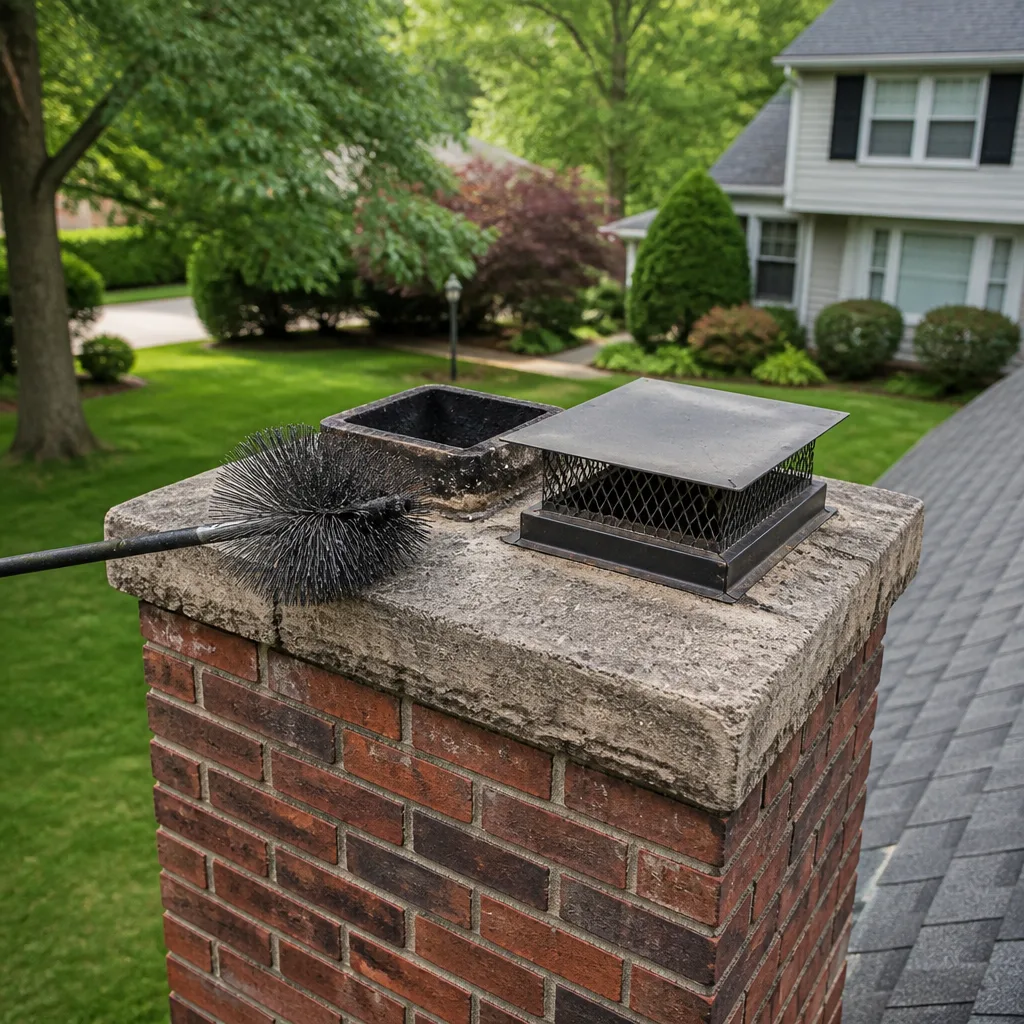
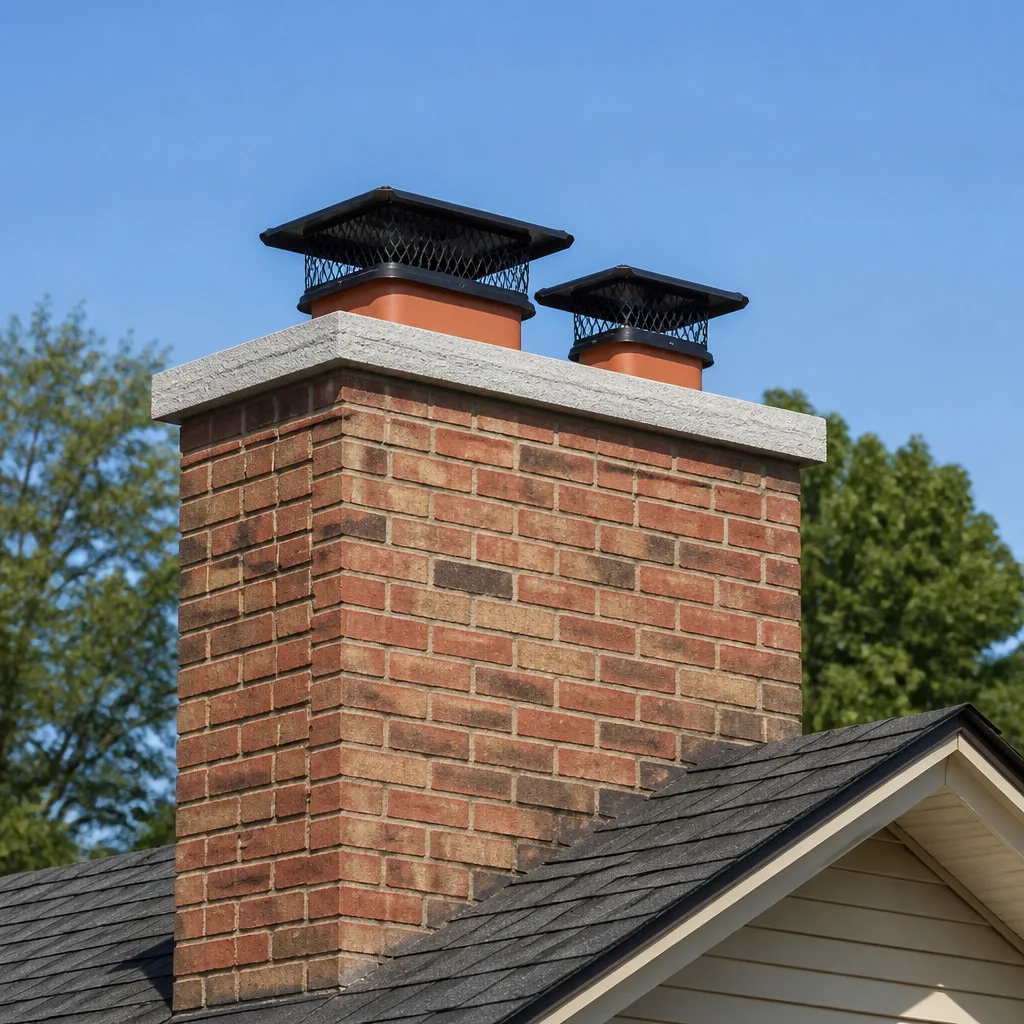
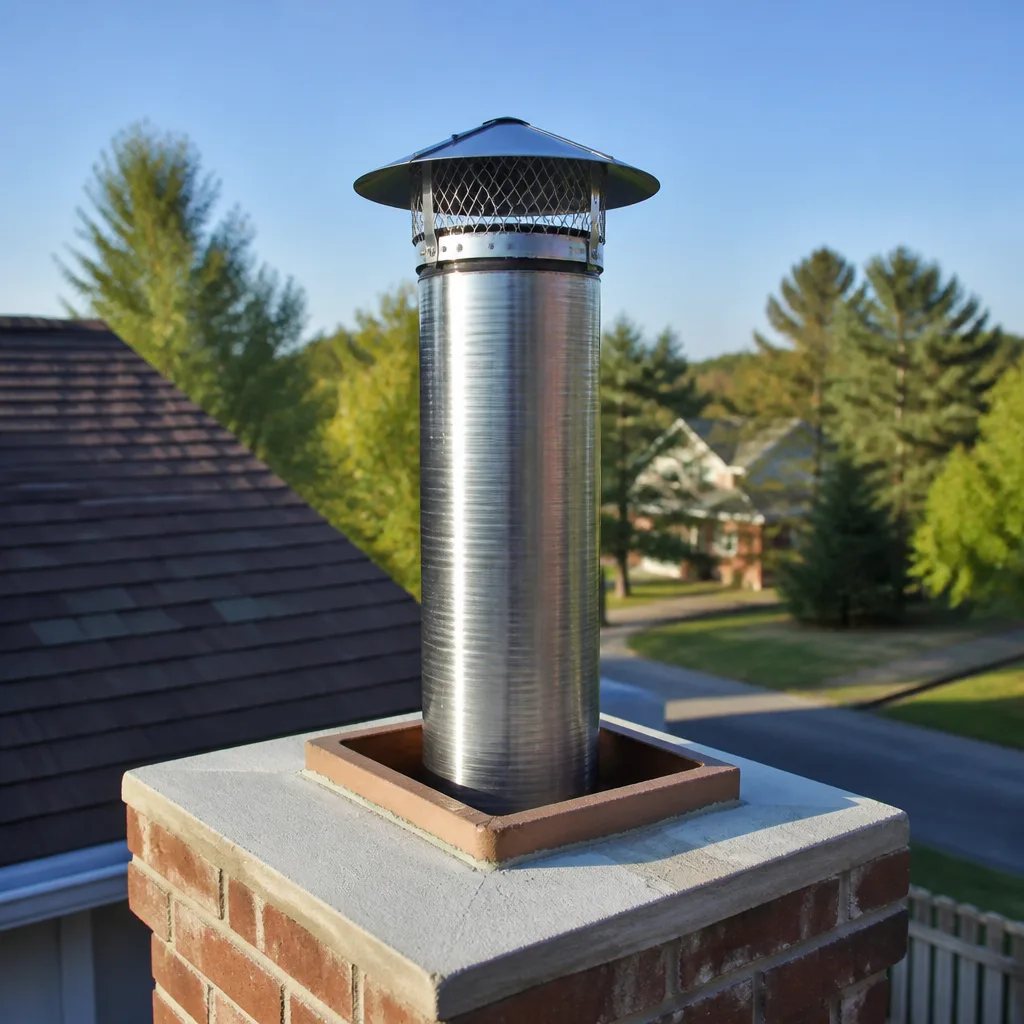
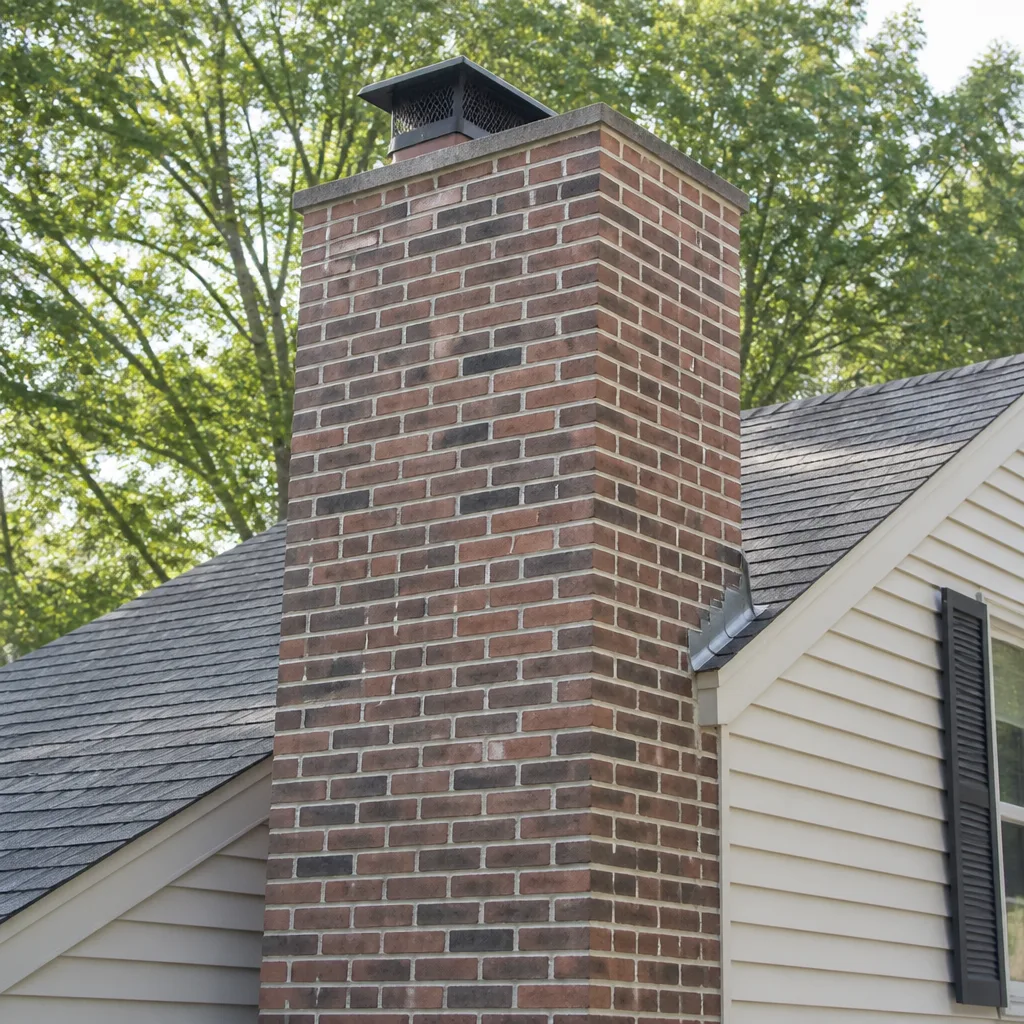
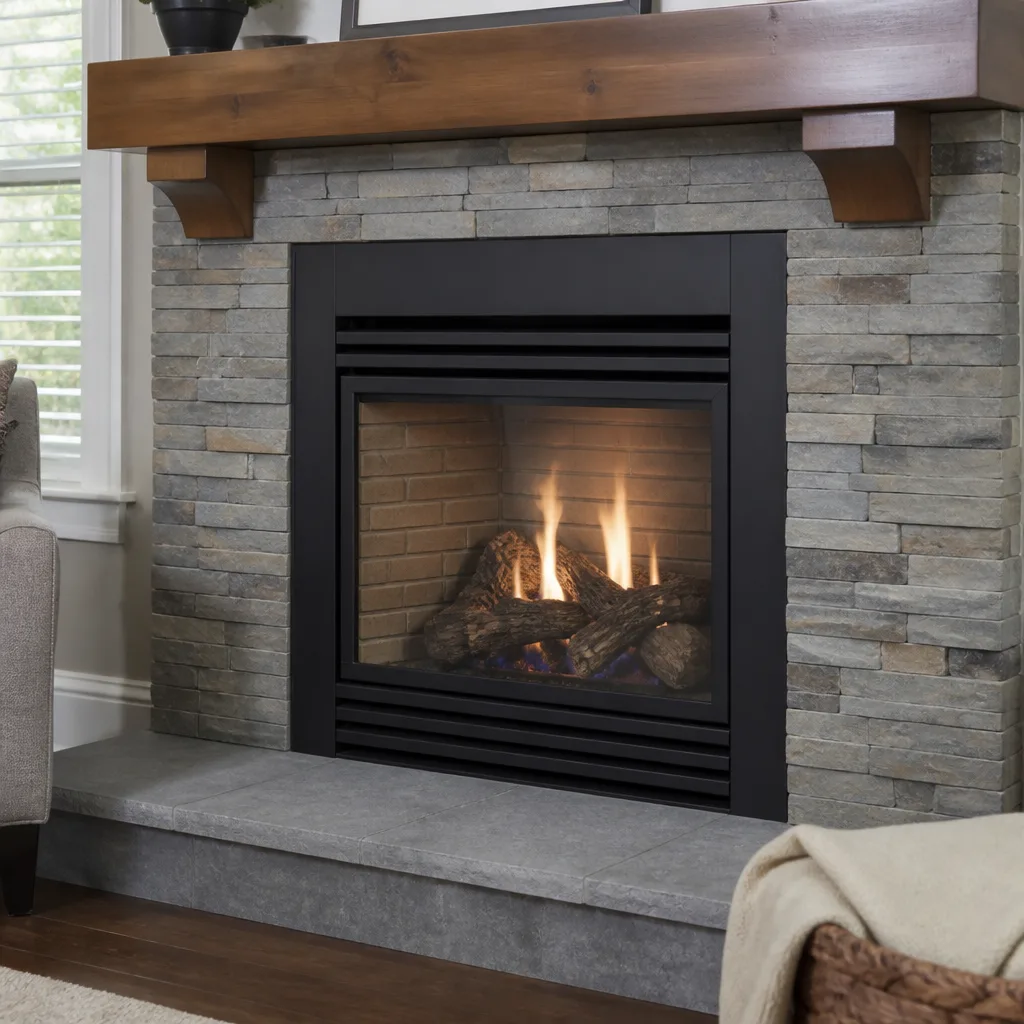
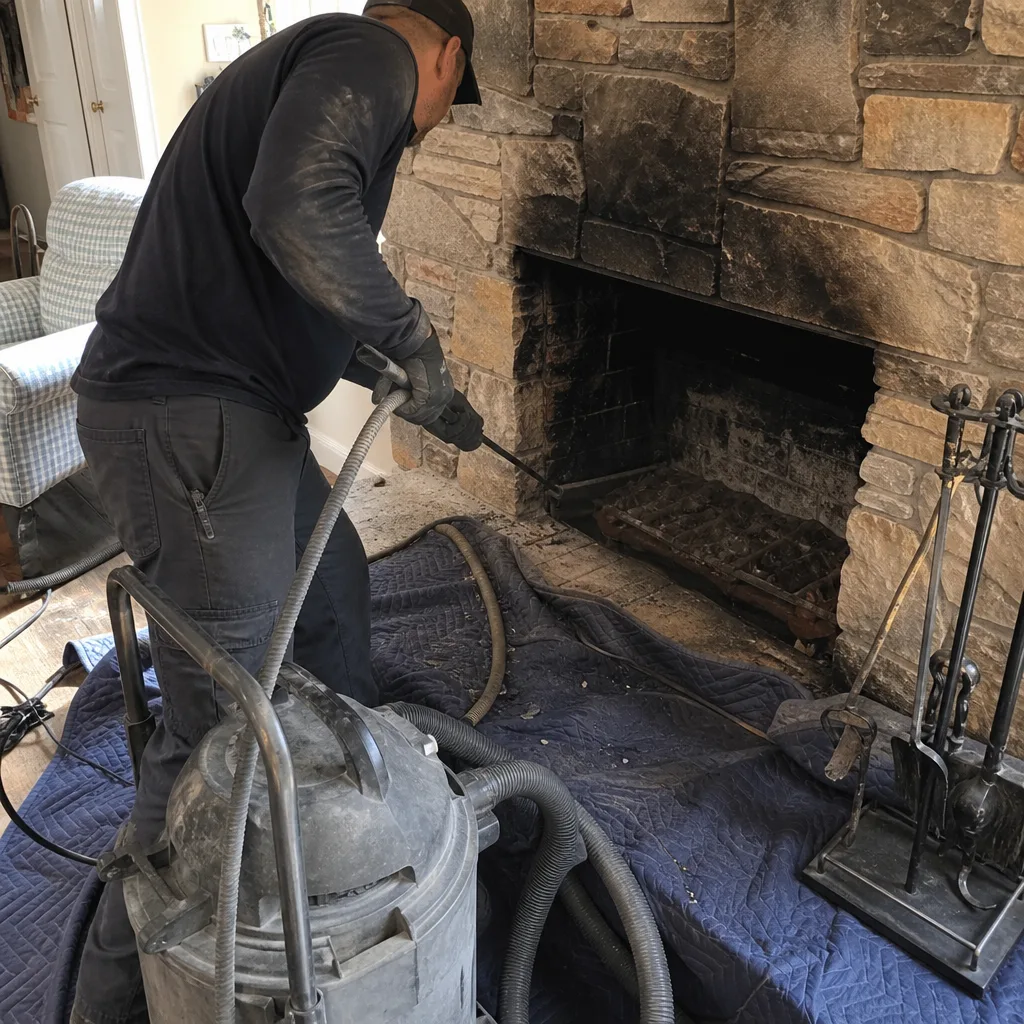 Before
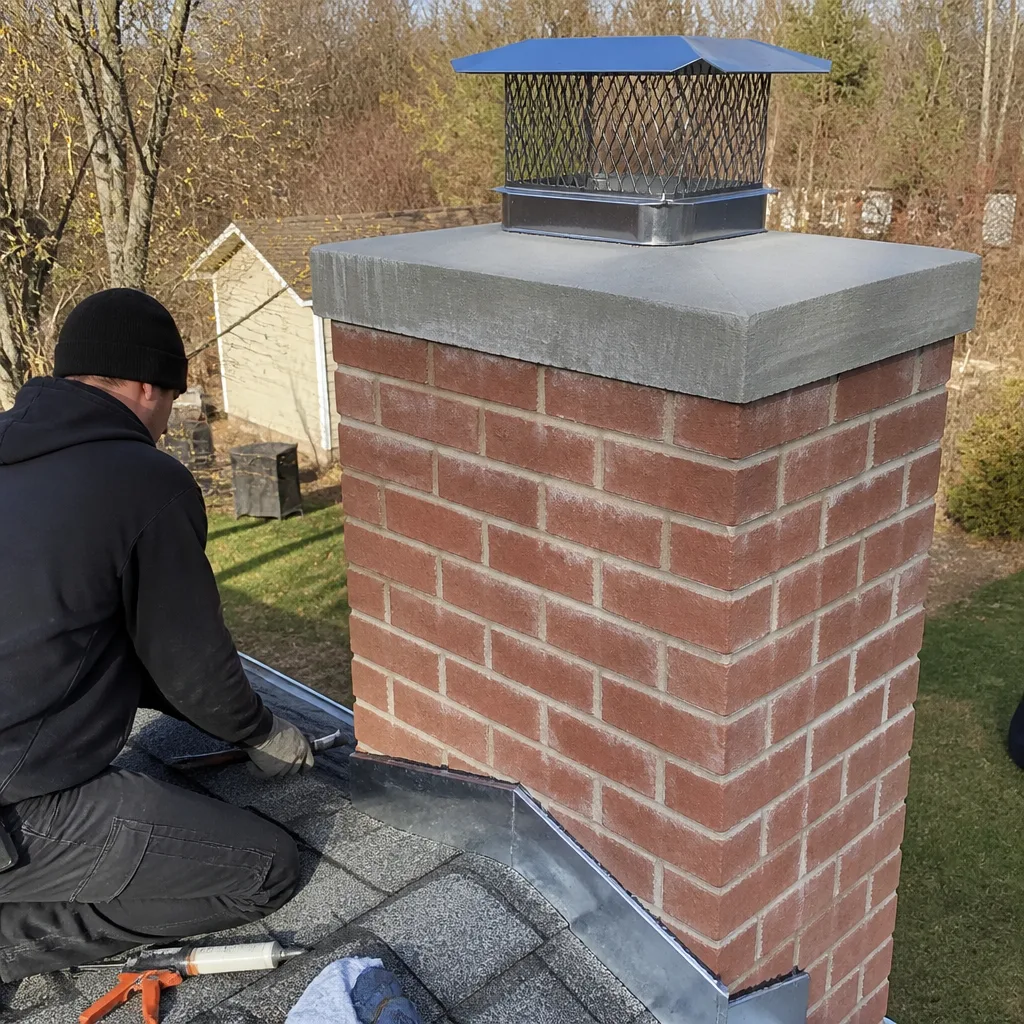 After
After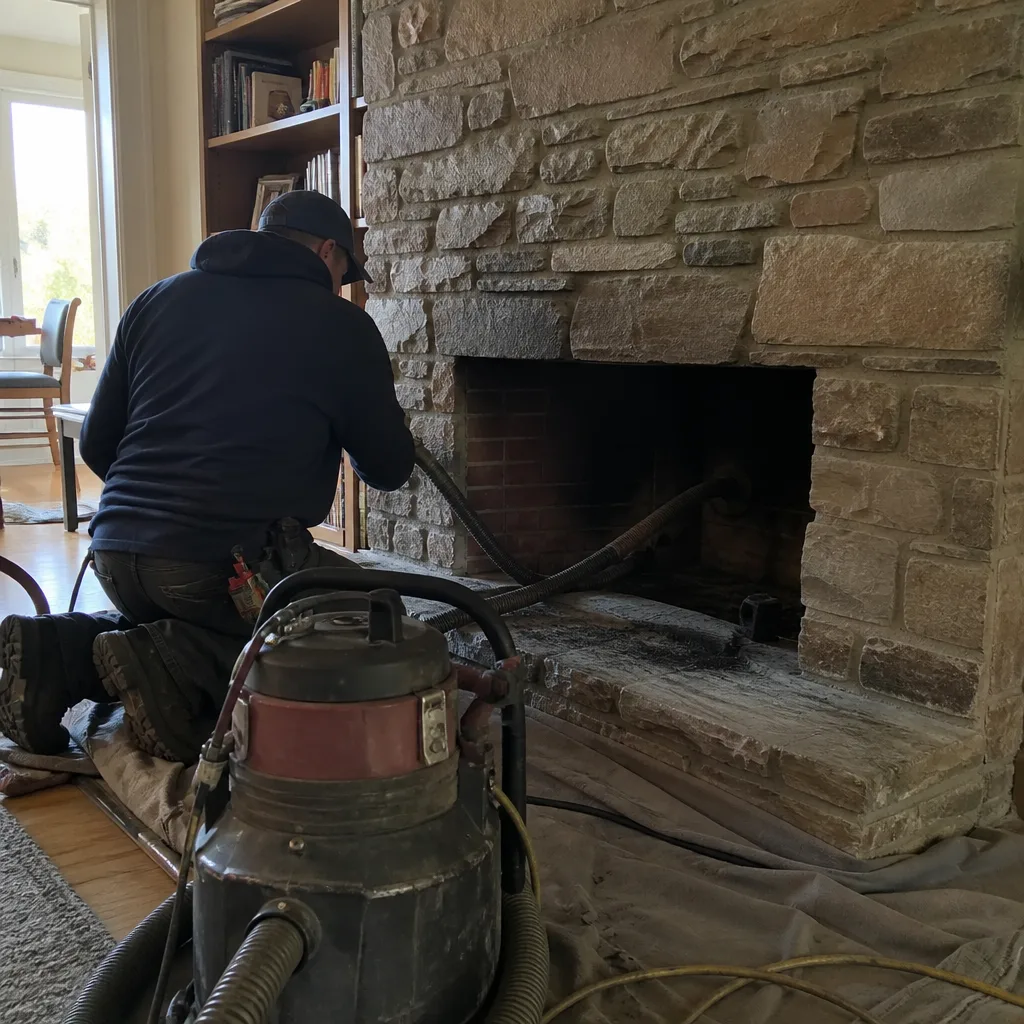 Before
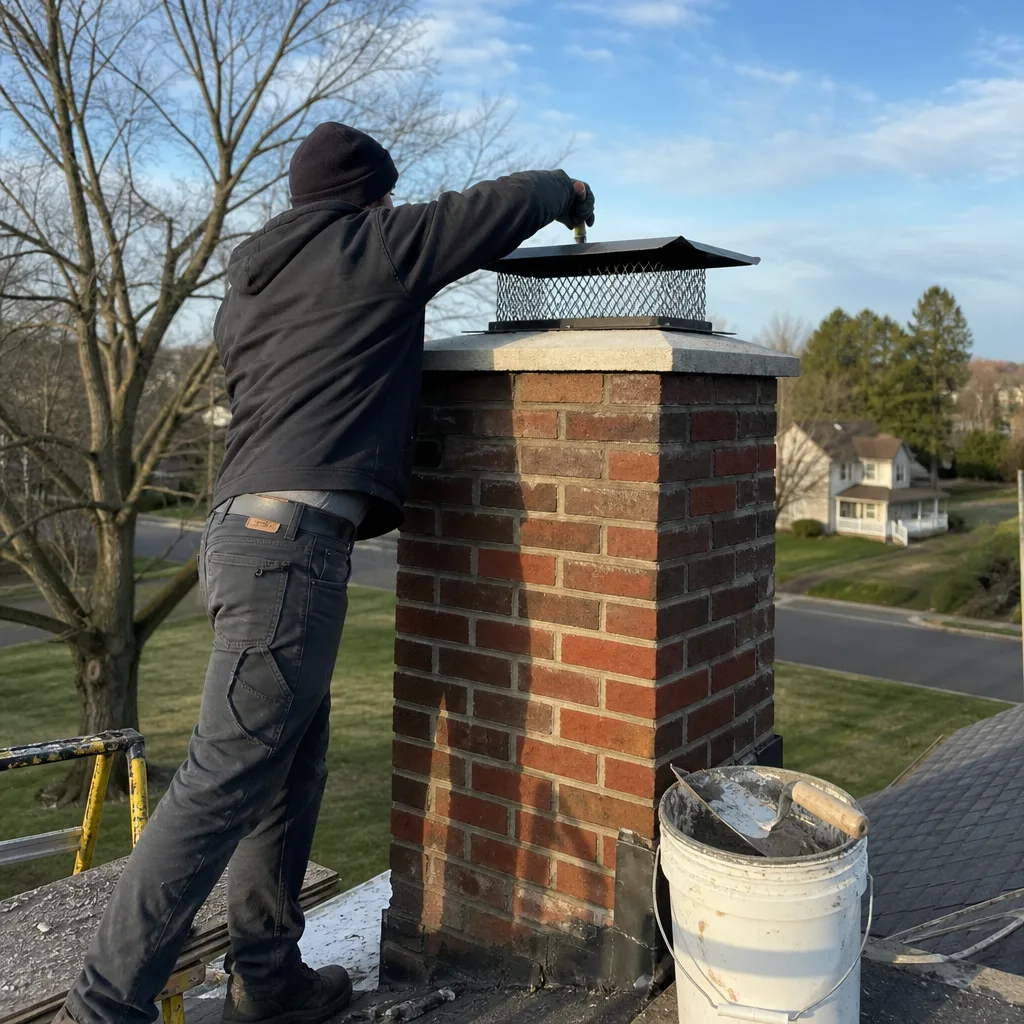 After
After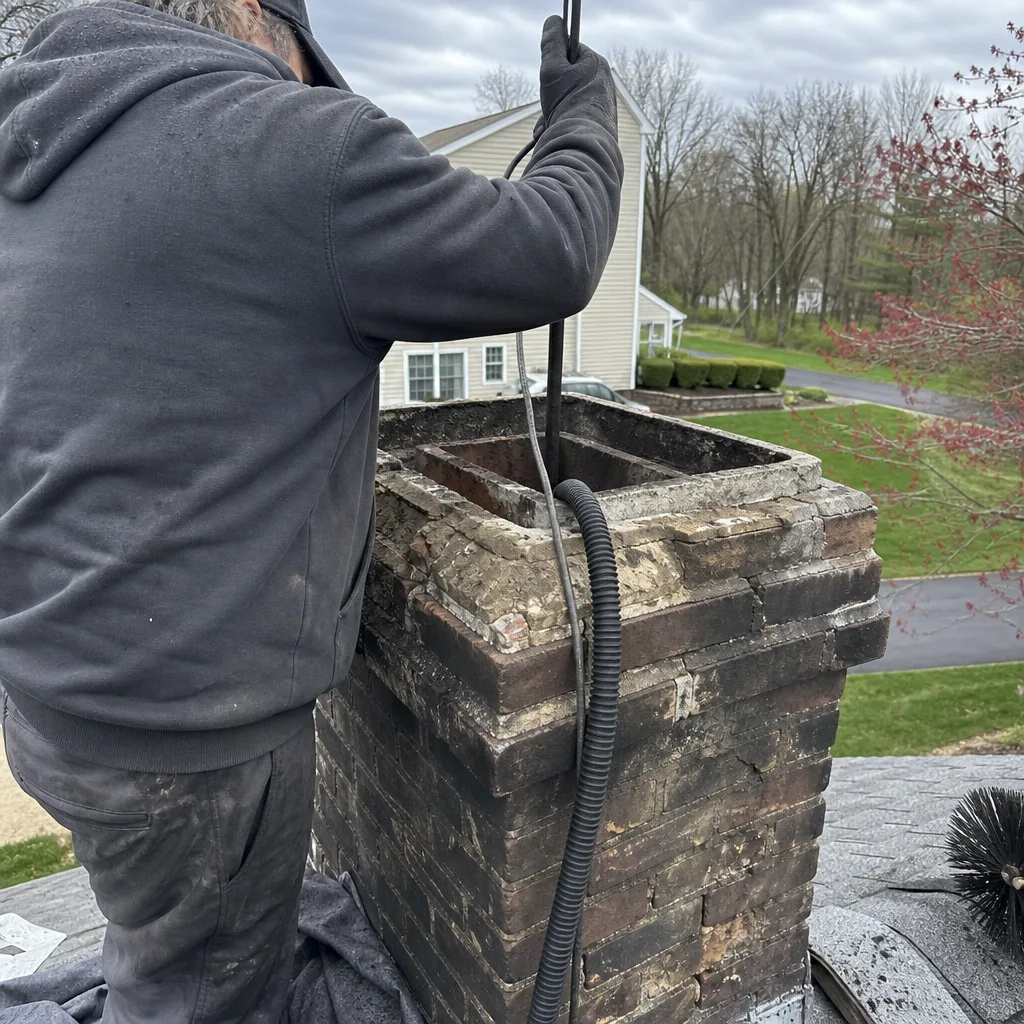 Before
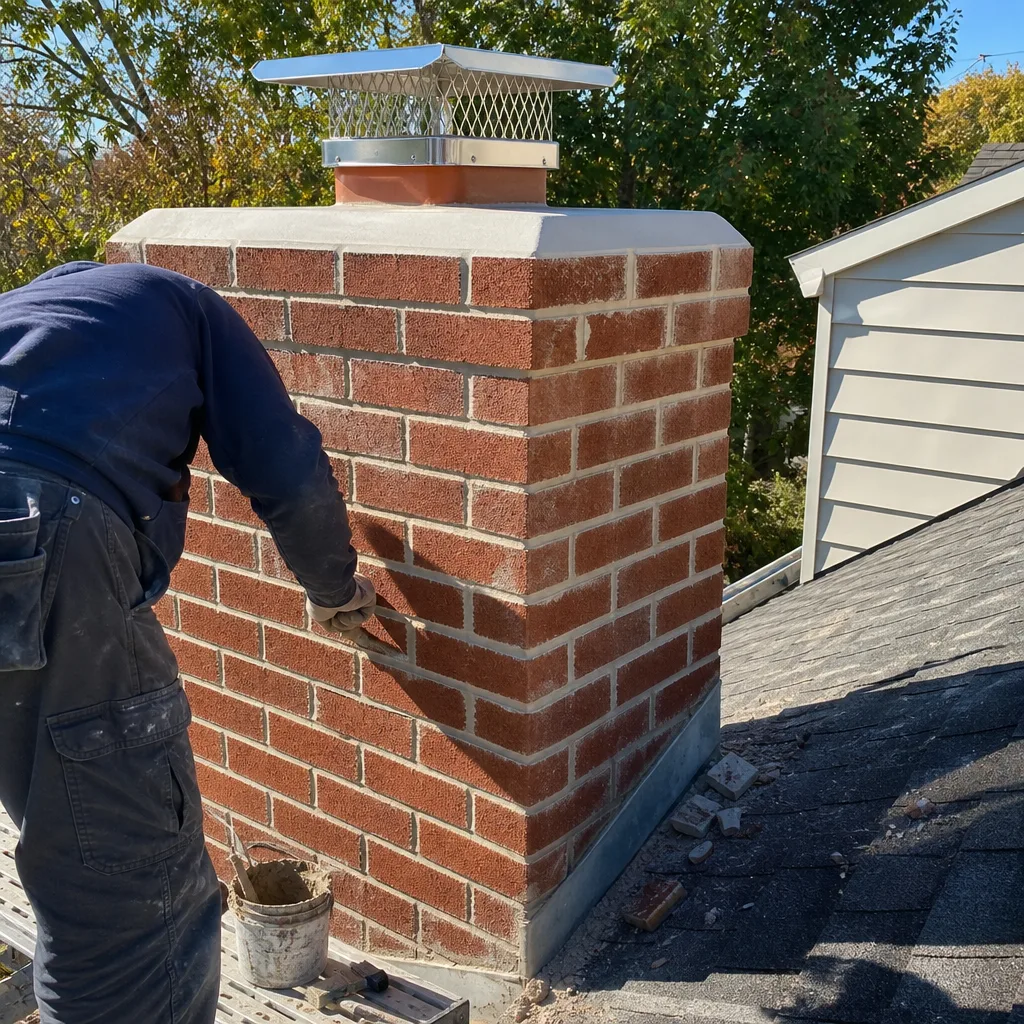 After
AfterChimney Cleaning Permits, Codes & Inspections in PA: What You Need to Know
A sweep who tells you every repair needs a permit is probably covering himself. One who says permits never apply to chimney work is probably wrong. The truth is narrower and more useful than either, and it’s the kind of thing you only learn after the inspector has already left your driveway in Doylestown. This guide walks you through what Pennsylvania’s Uniform Construction Code actually requires, which repairs trigger paperwork and which don’t, what a Level 2 inspection is really for, and how permit gaps can come back to haunt your insurance claim. For a broader look at keeping your system in top shape, see our Chimney Cleaning & Sweep Maintenance Checklist for Doylestown Homeowners. It’s the information we wish every homeowner had before they picked up the phone.
Quick Answer
The Complete Guide to Chimney Cleaning in Doylestown explains that chimney cleaning itself does not require a permit anywhere in Pennsylvania. However, structural repairs like a full rebuild, a flue liner replacement, or significant masonry work often do, depending on your municipality’s adoption of the Pennsylvania Uniform Construction Code. A standard sweep, a cap replacement, or minor crown patching is maintenance and needs no paperwork in most of Bucks County.
Table of Contents
- The Pennsylvania UCC and Chimney Work: What the State Actually Says
- Permit vs. Maintenance: Which Chimney Repairs Trigger Paperwork
- Doylestown Borough and Bucks County: How Local Amendments Change the Picture
- When a Level 2 Inspection Is Legally Required (and When It’s Just Smart)
- The Insurance Angle: What a Permit Gap Can Do to a Fire Claim
- How to Read a Contractor’s Proposal and Spot Permit Red Flags
- A Homeowner’s Step-by-Step Checklist Before Any Chimney Work
The Pennsylvania UCC and Chimney Work: What the State Actually Says
Pennsylvania adopted the Uniform Construction Code in 2004, and it has governed most residential building work in the state ever since. The UCC incorporates the International Residential Code, which treats a chimney as part of the building’s structural and fire-safety system. That’s the key distinction: a chimney is not just a pipe. It’s a load-bearing masonry structure that penetrates your roof and carries exhaust from a combustion appliance. The state cares about it for the same reason your insurance company does. When a chimney fails, the damage tends to involve fire or carbon monoxide, and neither one is a small claim.
Here’s what the UCC says in plain terms. You need a permit for work that alters the structure, changes the flue’s size or path, or rebuilds a significant portion of the chimney. You do not need a permit for routine maintenance. The chimney sweep who brushes out your flue once a year is performing maintenance. The question that trips people up is where maintenance ends and alteration begins. We’ll get into that line in the next section.
Municipalities in Pennsylvania can adopt the UCC with local amendments, and most do. Some townships are stricter about masonry work. Others leave it alone entirely. That’s why a straight answer from the state level only gets you so far. You need to know how your specific borough or township enforces the code. We serve clients all over Bucks County, and we’ve seen two adjacent municipalities take opposite positions on the same liner replacement. It’s not a difference in safety. It’s a difference in local ordinance and how busy the code office is.
The practical takeaway: the state sets the floor. Your local code office sets the ceiling. A responsible contractor knows both. The crew that just quotes a price and starts swinging a hammer without asking where the property sits is not doing you a favor.
The One Document That Matters: Chapter 10
Chapter 10 of the International Residential Code governs chimneys and fireplaces. If you ever want to verify a claim your contractor is making, ask them to cite the chapter. A sweep who knows the code will answer without reaching for a script. A sweep who doesn’t will change the subject. The relevant requirements cover flue sizing, clearance to combustibles, termination height above the roof line, and the materials allowed for liners. When a repair requires a permit, the local inspector is checking exactly those things. Getting them right is not a paperwork formality. It’s the difference between a chimney that vents properly and one that dumps smoke into your attic.
Permit vs. Maintenance: Which Chimney Repairs Trigger Paperwork
Cleaning, sweeping, and inspection are maintenance. No permit, ever, anywhere in the state. A chimney cap replacement is maintenance. So is crown sealing, minor flashing repair, and replacing a damper plate. These jobs don’t alter the structure or the flue path. They return the chimney to the condition it was in before wear and weather did their work.
Here’s where the line gets real. These repairs generally trigger a permit requirement in Pennsylvania municipalities that enforce the UCC as written:
- Full or partial chimney rebuild above the roofline or from the firebox up. You’re altering load-bearing masonry.
- Flue liner replacement, whether it’s a stainless liner or a poured-in-place product. You’re changing the flue’s material, size, or both.
- Flue resizing or relocation, which changes the draft characteristics and must be recalculated against the appliance’s BTU output.
- Firebox reconstruction, since you’re rebuilding the hottest part of the system and altering the fire-rated assembly.
- Adding a wood stove or insert where a fireplace previously existed. This is a new appliance installation with a different flue requirement.
- Chasing or enclosure work that re-frames the chimney chase. This typically falls under general building permits rather than chimney-specific ones.
The gray areas are where honest contractors disagree. A crown that’s 30% deteriorated and gets patched is maintenance. A crown that’s completely gone and gets poured new is a repair that some inspectors want permitted. We always err on the side of a phone call to the local office before we bid a job that sits near that line. The call costs nothing, and it keeps the job legal.
In our experience with Doylestown homes, the most common permit-required job is liner replacement. Older houses in the borough have tile flues that crack after decades of heating and cooling cycles. When that happens, the fix is a stainless liner, usually from DuraFlex or Copperfield. And depending on where the house sits, that liner job may need a permit. We’ll get to the local rules in a minute.
Doylestown Borough and Bucks County: How Local Amendments Change the Picture
Doylestown Borough has its own code office, and they enforce the Pennsylvania UCC with a few local wrinkles. The borough’s building department is generally responsive if you call with a specific question. That’s the advice we give every homeowner who calls us: if you want the straight answer about whether your chimney job needs a permit, call the borough or township code office directly and ask. They’d rather answer a question upfront than deal with a problem after the work is done.
Here’s a Top Hat Chimney home rule of thumb we’ve seen hold up over two decades of work in the borough: if the repair keeps the chimney’s original footprint and flue dimensions, it’s probably maintenance. If it changes either one, plan on a permit. That’s not a legal opinion, it’s a pattern we’ve observed and the assumption we work under until the code office tells us otherwise.
Bucks County has 54 municipalities, and not all of them have their own code department. Some contract with third-party inspection agencies, which changes how quickly permits get reviewed and how strictly they interpret the code. The rural parts of upper Bucks County tend to be more relaxed about minor masonry work, simply because code enforcement resources are stretched thinner. The boroughs and more developed townships tend to be stricter. None of this changes what’s safe. It changes how likely you are to get flagged, and how expensive the flag is.
The one phone number to call for a straight answer is your municipality’s code office. For Doylestown Borough, that’s the Building and Zoning Department. For surrounding townships, it’s whichever office handles UCC permits. If you’re not sure who that is, ask us. We keep a current list because we call these offices regularly. A ten-minute call can save you a stop-work order or a title problem when you sell the house.
The bigger point is this: local amendments matter, and nobody outside your town can tell you what they are. A chimney company headquartered in another state has a script, not a local code office relationship. A sweep who has been working in Doylestown since 1999 has a phone number and a name at the borough office. That’s not a small advantage when you’re standing in front of a chimney that needs $6,000 worth of masonry work.
When a Level 2 Inspection Is Legally Required (and When It’s Just Smart)
The National Fire Protection Association’s NFPA 211 standard defines three levels of chimney inspection. A Level 1 is what you get with a routine sweep. A Level 2 is a more thorough examination using cameras, and it is required by code in three specific situations. Knowing those situations saves you from paying for an inspection you don’t need, and from skipping one you do.
A Level 2 inspection is legally or contractually required when:
- You’re buying or selling the home. Real estate transactions are the most common trigger. Most home inspectors call the chimney “not inspected” and defer to a professional. Lenders don’t always require a Level 2, but a savvy buyer’s agent will.
- You’re changing the appliance or fuel type. Switching from a wood fireplace to a gas insert, or from a wood stove to a pellet stove, changes the flue requirements. The UCC requires verification that the existing flue is suitable.
- The chimney has suffered an event. A chimney fire, a lightning strike, a tree fall, or an earthquake means the flue’s integrity is in question. The code expects a Level 2 before the chimney goes back into use.
- You’re reinstating an abandoned chimney. If the flue has been dormant for years and you want to put it back in service, a Level 2 is the minimum before burning.
Outside those triggers, a Level 2 is good practice but not legally required. We recommend one for any homeowner who has lived in the house for five years or more without ever having a camera inspection. If you’re unsure whether your chimney is due, our Chimney Cleaning Warning Signs: A Doylestown Homeowner’s Reference Guide can help you decide. The reason is simple. The eye can see the first six inches of the flue. The problems that cause chimney fires live deeper than that. A camera tells you what’s actually happening in the flue’s middle third, where cracked tiles and creosote glaze hide.
We do a camera inspection on every sweep we perform, and we show the homeowner the footage. That’s not a legal requirement, it’s our standard. The camera footage and a plain-English verdict, every time, no exceptions. If there’s nothing wrong, you’ll see that. If there is something wrong, you’ll see exactly what it is and what needs doing and whether it can wait.
The Insurance Angle: What a Permit Gap Can Do to a Fire Claim
This is the section most chimney companies never write, and it’s the reason we’re glad someone asked. Insurance carriers look for reasons to deny claims after a chimney fire. A missing permit is a bigger reason than most homeowners realize.
Here’s how it works. You have a liner replaced in 2022. The contractor tells you no permit is needed. In 2025, the chimney catches fire and does $40,000 in damage. Your insurance adjuster looks at the claim and asks for documentation of the liner work. You have the invoice. The adjuster pulls the permit record from your municipality. There isn’t one. Now the question is whether the unpermitted work contributed to the fire. If the liner was installed incorrectly and the carrier can establish that the missing permit allowed the defect to go unnoticed, they have grounds to reduce or deny the claim. Even if they don’t deny it, you’ve added months to the claim timeline and a cloud over the payout.
The situation is avoidable. A contractor who understands the permit rules in your municipality will either pull the permit or show you in writing why one isn’t required. The paper trail is what matters. If the job is unpermitted, keep a written statement from the contractor explaining the classification. If it’s permitted, keep a copy of the final inspection. Either way, you want evidence that a qualified person made a determination.
Homeowners in Doylestown who’ve lived through a chimney fire tell us the same thing. The insurance process is bad enough without a documentation problem. Getting the permit question right before the work starts is cheaper than any repair, and it’s a lot cheaper than a denied claim.
How to Read a Contractor’s Proposal and Spot Permit Red Flags
Most homeowners can’t tell from a proposal whether the contractor knows the code or is guessing. Here’s what to look for.
Red flag one: the permit line item is vague. A proposal that says “permits and fees” with no dollar amount and no specific permit identified means the contractor hasn’t determined what’s actually required. A proposal that says “no permits required” when the job is a full liner replacement should make you ask a follow-up question.
Red flag two: the permit fee is round. Municipal permit fees in Pennsylvania are almost never round numbers. Doylestown Borough charges specific fee schedules that vary by construction value. A flat $150 for “permit” on every job in every township is a contractor who hasn’t called the office.
Red flag three: the timeline ignores inspection scheduling. Permitted work requires an inspection before the chimney goes back into service. If the proposal says the job takes one day and doesn’t mention a re-inspection date, either the contractor is planning unpermitted work or hasn’t thought it through.
Red flag four: the scope uses a different word than the permit. A proposal that says “rebuild” in the scope of work and “repair” in the permit section is hedging. Ask for the actual classification and, if the contractor is pulling the permit, the permit number once it’s issued.
The cleanest proposals we see in our own shop state the scope, the permit status, the fee if any, and the inspection date all in one block. You should not have to be a detective to understand whether your chimney job is legal. If the proposal is clear on price but cloudy on permits, the price is the only thing the contractor thought about.
A Homeowner’s Step-by-Step Checklist Before Any Chimney Work
Here’s the sequence we walk through with every homeowner who calls us from Doylestown or anywhere in Bucks County. Print this if it helps.
- Get a camera inspection first. You cannot make a permit decision without knowing what’s actually wrong. The camera tells you. The eye doesn’t.
- Classify the work. Maintenance: no permit. Structural alteration: probably a permit. When in doubt, move to step three.
- Call your municipality’s code office. Ask directly: “Does this work require a permit under the UCC as adopted here?” Write down the answer and the name of the person who gave it.
- Get the permit decision in writing from your contractor. If they’re pulling it, get the permit number. If they say it’s exempt, get the classification in writing on the proposal.
- Schedule the inspection, not just the job. Permitted work is done when the inspector signs off. Don’t pay the final draw until that happens.
- Keep every document. Invoice, permit, inspection report, camera images. The file is your insurance against a future dispute.
None of these steps costs more than a phone call, and a couple of them cost nothing at all. They’re the difference between a chimney that’s just clean and a chimney that’s clean, legal, and documented.
Common Mistakes to Avoid
- Assuming the sweep is also the permit authority. A chimney sweep is not a code official. We can advise, and we do, but only the municipality issues permits. If your sweep guarantees no permit is ever needed, get a second opinion.
- Trusting a national franchise’s local-permit knowledge. A company that sent a technician from an hour away doesn’t know Doylestown Borough’s amendments. We do, because we’ve called the same office for decades.
- Paying for a permit that was never pulled. This happens more than anyone wants to admit. The contractor quotes a permit fee, you pay it, and the permit never gets filed. Ask for the permit number before you pay the fee.
- Skipping the final inspection. A permit without a signed final inspection is just a piece of paper. The inspection is what verifies the work against the code.
- Confusing a home inspector’s note with a chimney inspection. A home inspector says “chimney needs evaluation.” That’s not an inspection, it’s a referral. A real chimney inspection is what we do with a camera.
- Deferring repairs because the chimney “looks fine.” Your flue doesn’t care how the fire looks. It cares how it breathes. Once a year, burn or no burn. Chimneys break in the off-season too.
- Letting a permit gap ride through a sale. When you sell, the buyer’s title company will pull the permit record. An unresolved permit gap becomes a negotiation problem at the worst possible time.
When to Call a Professional
Call a professional when the camera shows something you can’t fix with a brush. That includes cracked flue tiles, a separated liner, significant spalling brick, or a crown that’s letting water run down the chimney’s outside. It also includes any time you’re not sure whether a repair needs a permit. A qualified sweep will tell you honestly, and if the job needs a building permit, Wendell and his crew will make the call to the code office before you ever see a proposal. You can also browse more guides & resources on our blog anytime. Top Hat Chimney offers free estimates in Doylestown, and we serve the whole county. Call (484) 600-2977 if you have a chimney question, even if you’re not sure you need work done yet.
Frequently Asked Questions
No. Chimney sweeping is classified as routine maintenance under the Pennsylvania Uniform Construction Code, and no municipality in the state requires a permit for it. A standard sweep, cap replacement, crown sealing, and minor flashing repair are all maintenance work with no permit trigger.
Full or partial chimney rebuilds, flue liner replacements, firebox reconstruction, and any work that changes the flue’s size or path generally require a permit in Doylestown Borough, which enforces the Pennsylvania UCC. Minor repairs that restore the chimney to its original condition do not. The definitive answer comes from the borough’s Building and Zoning Department, and we’re always happy to help Doylestown homeowners figure out the permit question before any work begins.
A standard chimney sweep in Doylestown typically runs $175 to $325 depending on the flue’s condition, accessibility, and whether the fireplace is a wood burner or an open firebox. Our Chimney Cleaning & Sweep service in Doylestown always includes a camera inspection and a plain-English report, and the phone price is the invoice price. Call (484) 600-2977 for an exact quote; estimates are free.
A Level 2 inspection is required when buying or selling a home, changing the appliance or fuel type, after a chimney fire or other damaging event, or when reinstating a long-dormant chimney. These triggers come from NFPA 211 and are adopted by reference in the Pennsylvania UCC. Outside those situations, a Level 2 is optional but smart if you haven’t had a camera inspection in five years or more.
Most Pennsylvania carriers don’t require annual chimney inspections, but many will ask for documentation after a chimney fire. A permitted repair with a signed final inspection gives you a strong paper trail. An unpermitted repair with no documentation gives the carrier room to push back. If you’re not sure what your policy expects, call your agent and ask directly.
Yes. We provide free estimates throughout Doylestown and Bucks County, and we include a camera inspection so the estimate reflects what’s actually happening inside the flue. Our Fireplace Services in Doylestown cover everything from a simple sweep to a full rebuild, and the quote you hear is the price you pay. Call (484) 600-2977 to schedule.
The Bottom Line
Chimney cleaning never needs a permit in Pennsylvania, but the repairs a cleaning uncovers sometimes do. The line is structural alteration versus maintenance, and the local code office, not the contractor, has the final word. A Level 2 inspection is legally required in four specific situations and good practice outside them. Permit gaps can quietly become insurance gaps, and the paper trail matters as much as the masonry. When in doubt, call the municipality. When you’re ready for the actual work, call Wendell and his crew. The camera never lies, the price is the price, and every job carries the 90-Day Done Right Promise, in writing.
Written by Wendell Pike, Owner at Top Hat Chimney, serving Doylestown since 1999.